Materials · Cotton · Sustainability

Cotton's Water Problem

Cotton Guide 04·Environmental Impact·3 min

A single conventional T-shirt takes about 2,700 litres of water to produce. A pair of jeans: around 10,000.

The Water Cost

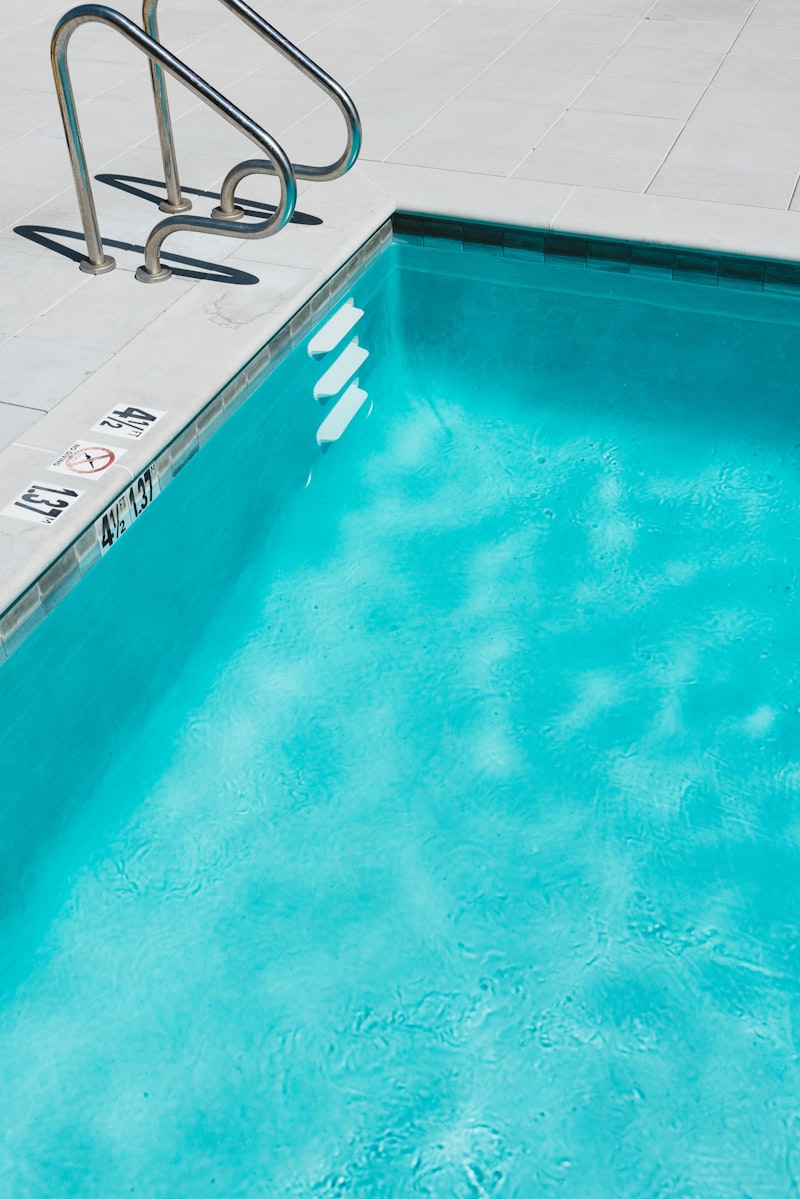
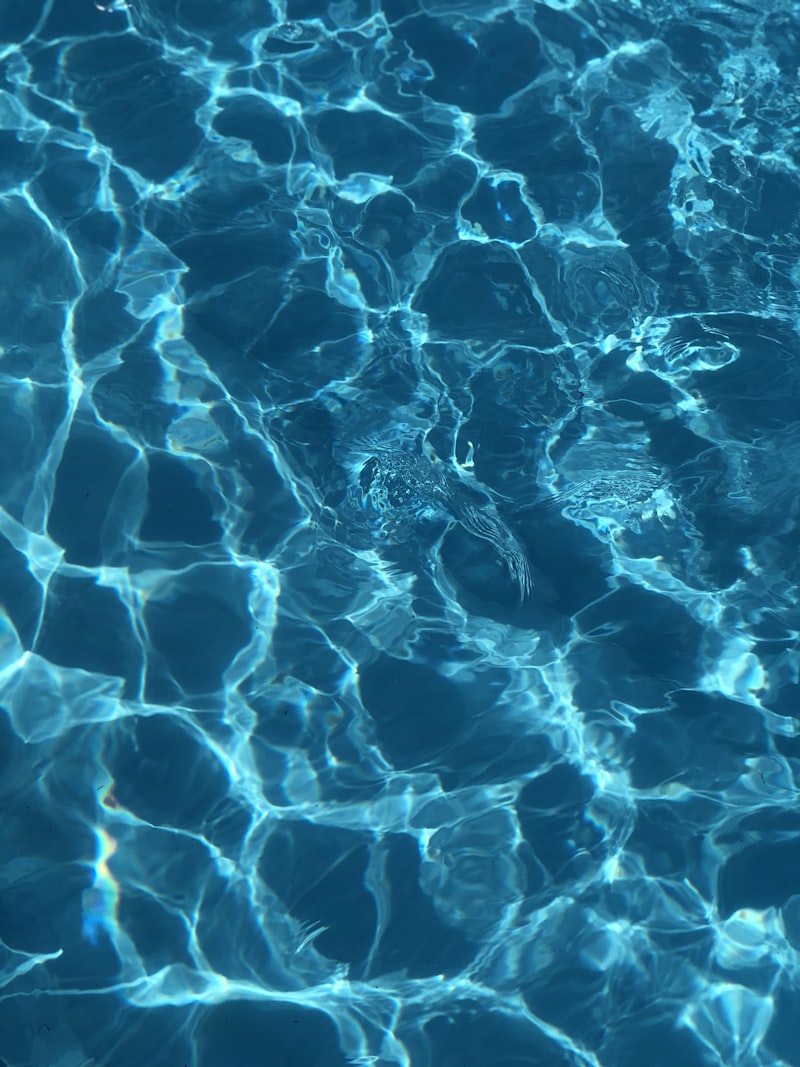
One of the Thirstiest Crops on the Planet

Cotton occupies just 2.5% of global farmland, yet requires 10,000–20,000 litres of water per kilogram of fiber depending on farming method and irrigation. Multiplied across the industry, that adds up fast.

The Aral Sea

The clearest case study: once the world's fourth-largest lake, the Aral Sea was essentially drained between the 1960s and 1990s to irrigate Soviet cotton fields. What was once a 68,000 square-kilometre body of water is now mostly desert — fishing villages today sit 150 kilometres from where the shoreline used to be.

2,700 LWater / T-Shirt
~10,000 LWater / Jeans
68,000 km²Aral Sea, Then
Beyond Water

Pesticides and Pollution

Conventional cotton uses roughly 16% of all insecticides and 7% of all herbicides applied globally — on just 2.5% of farmland. Downstream, textile dyeing and finishing accounts for approximately 20% of all industrial water pollution worldwide.

It Doesn't Have to Stay This Way

Different farming approaches target different parts of this footprint: organic cotton removes synthetic pesticides entirely, recycled cotton skips new farming altogether, and regenerative cotton can cut water use by 30–50% while actively restoring soil carbon.
Next in the Series

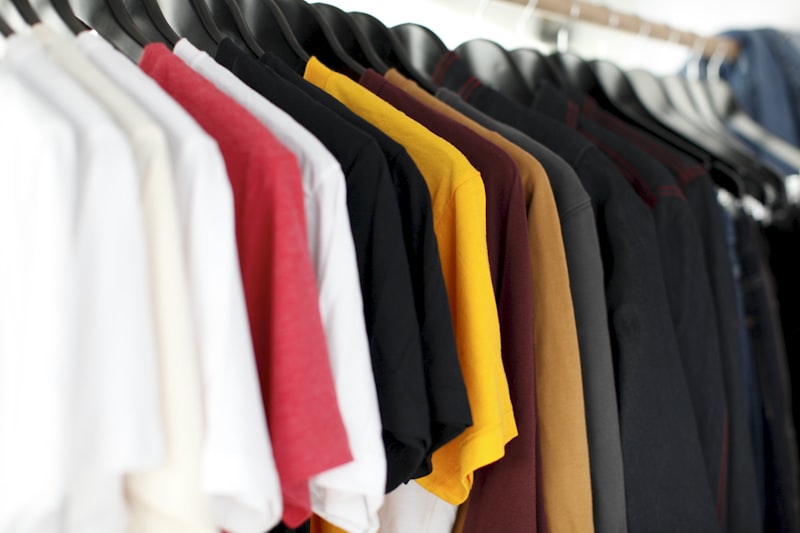
Regenerative vs Organic vs Recycled Cotton

Cotton Master Reference

Return to: Cotton Master

All articles

Guides

How to Design Branded Merch Without Hiring a Designer

You don't need an agency to put your logo on a hoodie. Here's the file prep, tools, and rules that make DIY merch look professional.

1 min read

Buyer Guides

The Complete Guide to Employee Swag Kits for New Hires

Well-onboarded employees are roughly 58% more likely to stay three-plus years — and the swag kit sitting on their desk on day one is doing more strategic work than most companies realize.

3 min read

Guides

14 Halloween Shirt Ideas to Inspire Your Next Design (2026)

From minimalist ghost line art to Day of the Dead sugar skulls — 14 Halloween t-shirt design directions for your 2026 seasonal drop, plus print method guidance for each.

6 min read

Guides

What a Bikini Actually Costs to Make: $24 to $54+

Fabric is a tiny cost component in swimwear — CMT, specialist lining, and chlorine-resistant elastic are what actually drive the price. Two real cost builds.

1 min read

Guides

Three Things Will Destroy a Swimsuit: Wrong Dye, Wrong Elastic, No Lining

Pool water at 1–3 ppm chlorine is enough to bleach standard dye, degrade standard elastic, and delaminate standard lining — all within weeks. Here's what to spec instead.

2 min read

Guides

Econyl: The Recycled Nylon Behind Fashion's Best Sustainability Story

Econyl performs identically to virgin nylon, accepts chlorine-resistant dye the same way, and is made from ocean plastic and fishing nets. Here's why it's the P2 fabric priority.

1 min read

SHOPPING BAG

(0 items)