Football / Soccer Ball

Team & Leisure Sports · Premium PU Soccer Ball
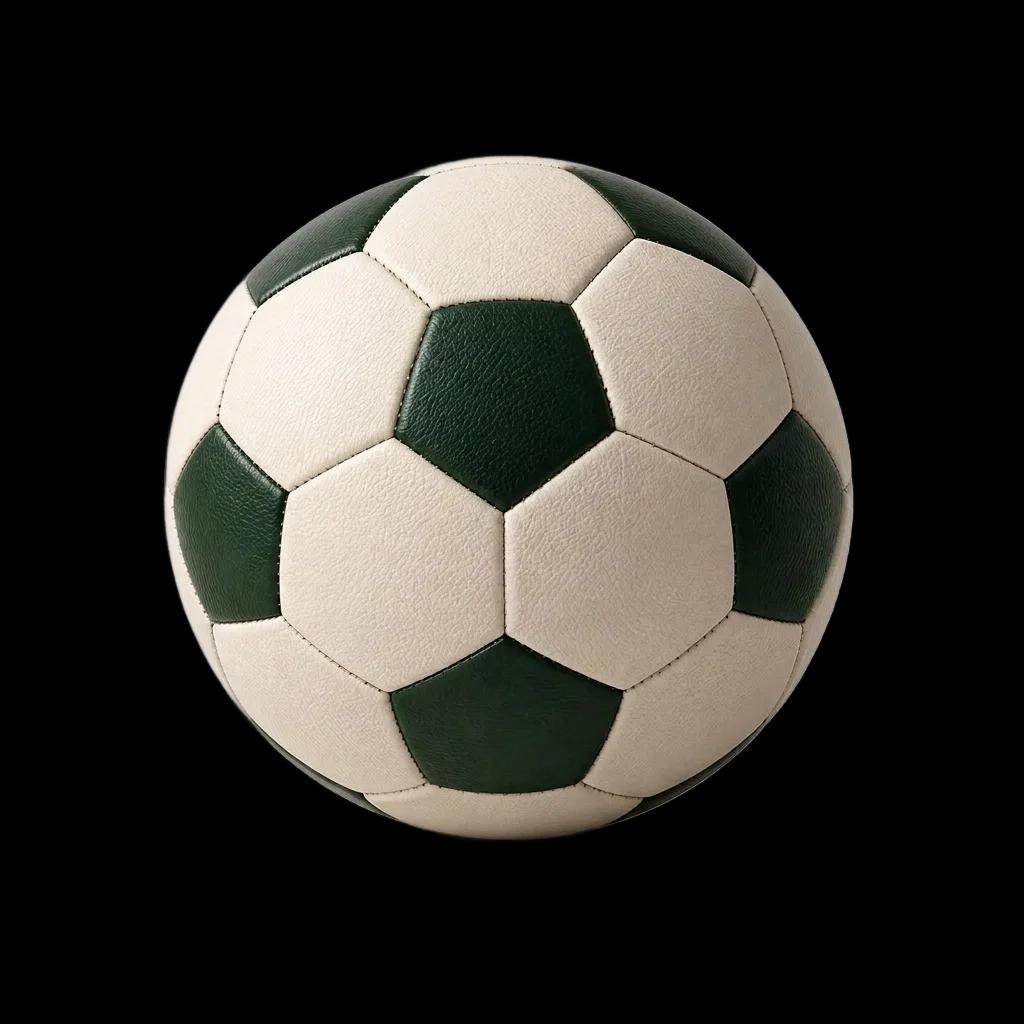
Football / Soccer Ball, flat front
Flat front
GradePer unit at 100
ColourWhite
QuantityUnder 50, a $90 development fee applies

Add 200 more to pay $18.50 / unit.

Customise

Gabi designs your changes in the Studio, then you order the finished piece. ORDER below makes it as shown.

Delivery
Lead time confirmed with your orderShipping is priced at checkout from your address.
Premium · White × 100$21.27 / unit
ShippingAt checkout
Total, before shipping$2,127
Get a team quote

What's included at $21.27

  • Football / Soccer Ball, Premium grade (Premium PU Soccer Ball)
  • Made to order in White
  • Your size run, as set above
  • Replaced if anything arrives faulty

Shipping is priced at checkout from your address.

Make it yours

Your logo on the chest, a woven label, a back print, a colour from your brand book: Gabi designs the changes with you in the Studio and prices the finished piece before you order it. Your logo file goes on as you supply it.

Replaced if faultyMade to order, so no change-of-mind returns. Anything that arrives damaged or defective, we make right.
Try one firstOne unit in Premium, made like the run, through the same checkout.

A fully spherical ball with a uniform, rounded profile and no flat surfaces or protruding edges. Its surface is divided into thirty-two stitched panels, alternating between twelve dark pentagons and twenty light hexagons, creating a faceted yet continuous curvature. A single recessed valve sits flush against the paneling, interrupting the seam pattern at one point.

Specs

GradePremium, Premium PU Soccer Ball
Main Fabric100% Polyurethane, 400gsm
Contrast Panels100% Polyurethane
Internal Bladder100% Rubber
SilhouetteSpherical
ClosureRecessed rubber air valve for inflation.
CareDo not wash — specialist clean only, Do not bleach, Do not tumble dry
Minimum order50 units
Encyclopedia

Before 1839, a football was a stitched leather case around a pig's bladder — irregular, prone to bursting mid-match, and different from club to club.

Charles Goodyear's discovery of vulcanized rubber that year, followed by the inflatable rubber bladder a couple of decades later, turned the ball into a standardized, mass-producible object for the first time. Within a generation, England's newly formed football associations were writing ball-size and weight rules into the laws of the game — because a codified sport needs a codified ball. That same logic, uniform tooling producing a uniform play experience, still governs how balls, bats, and rackets get made today.

Read the story
Encyclopedia

The story of the Football / Soccer Ball

Before 1839, a football was a stitched leather case around a pig's bladder — irregular, prone to bursting mid-match, and different from club to club. Charles Goodyear's discovery of vulcanized rubber that year, followed by the inflatable rubber bladder a couple of decades later, turned the ball into a standardized, mass-producible object for the first time. Within a generation, England's newly formed football associations were writing ball-size and weight rules into the laws of the game — because a codified sport needs a codified ball. That same logic, uniform tooling producing a uniform play experience, still governs how balls, bats, and rackets get made today.

1839Vulcanized rubberCharles Goodyear's vulcanization process made mass-produced rubber ball bladders possible
32Soccer ball panelsStandard panel count popularized by the Adidas Telstar for the 1970 World Cup TV broadcast
ABS plasticTable tennis ball materialReplaced flammable celluloid as the ITTF-regulated standard in 2014

From Pig's Bladder to Vulcanized Rubber

Early balls were hand-stitched leather panels around an animal-bladder bladder; vulcanized rubber bladders made shape and bounce repeatable for the first time. Panel count and stitching pattern were standardized club by club until the Adidas Telstar's 32-panel black-and-white design, chosen for television visibility at the 1970 World Cup, became the de facto global template.

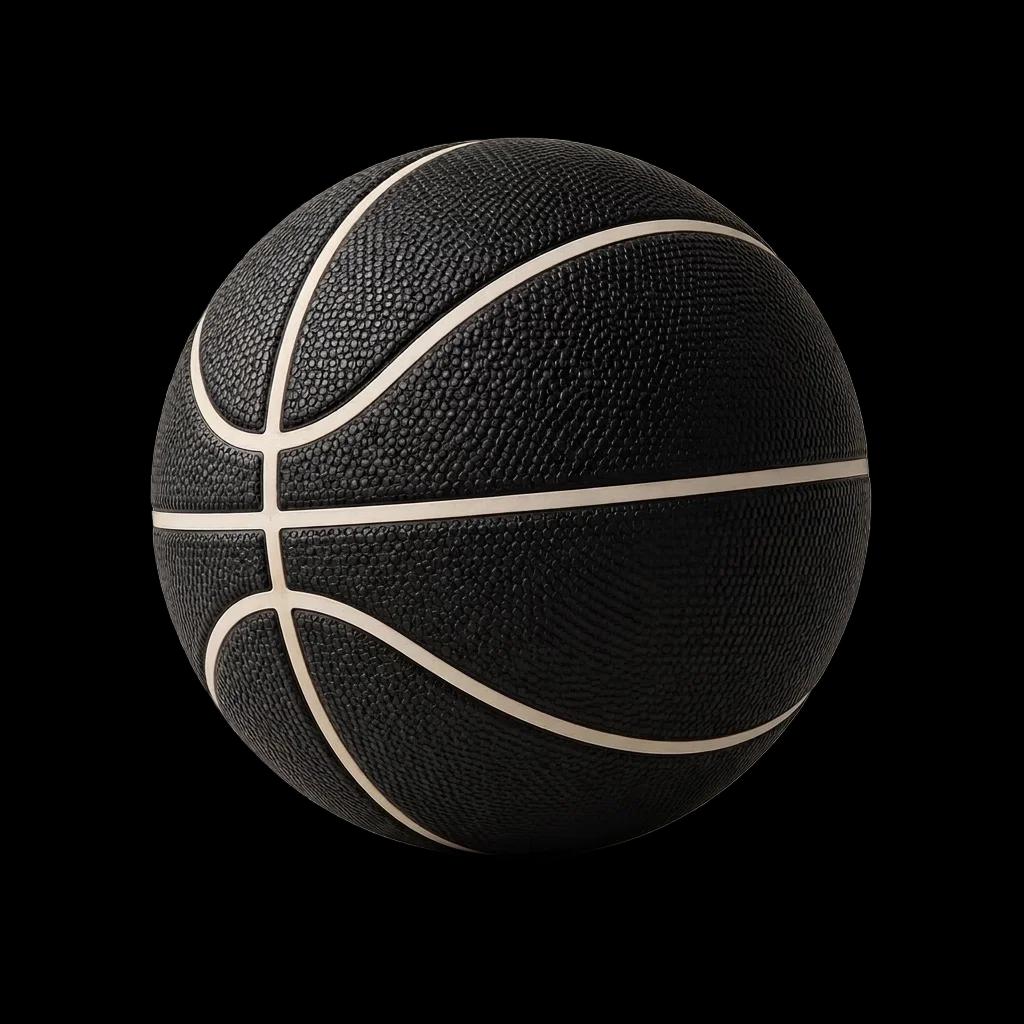
Basketball was invented in 1891 using a plain soccer ball; the pebbled leather surface that defines a basketball today was not introduced until the 1950s, purpose-built for one-handed dribbling grip. Volleyball, invented four years later, deliberately uses a lighter, smoother cover since it is struck open-handed rather than bounced.

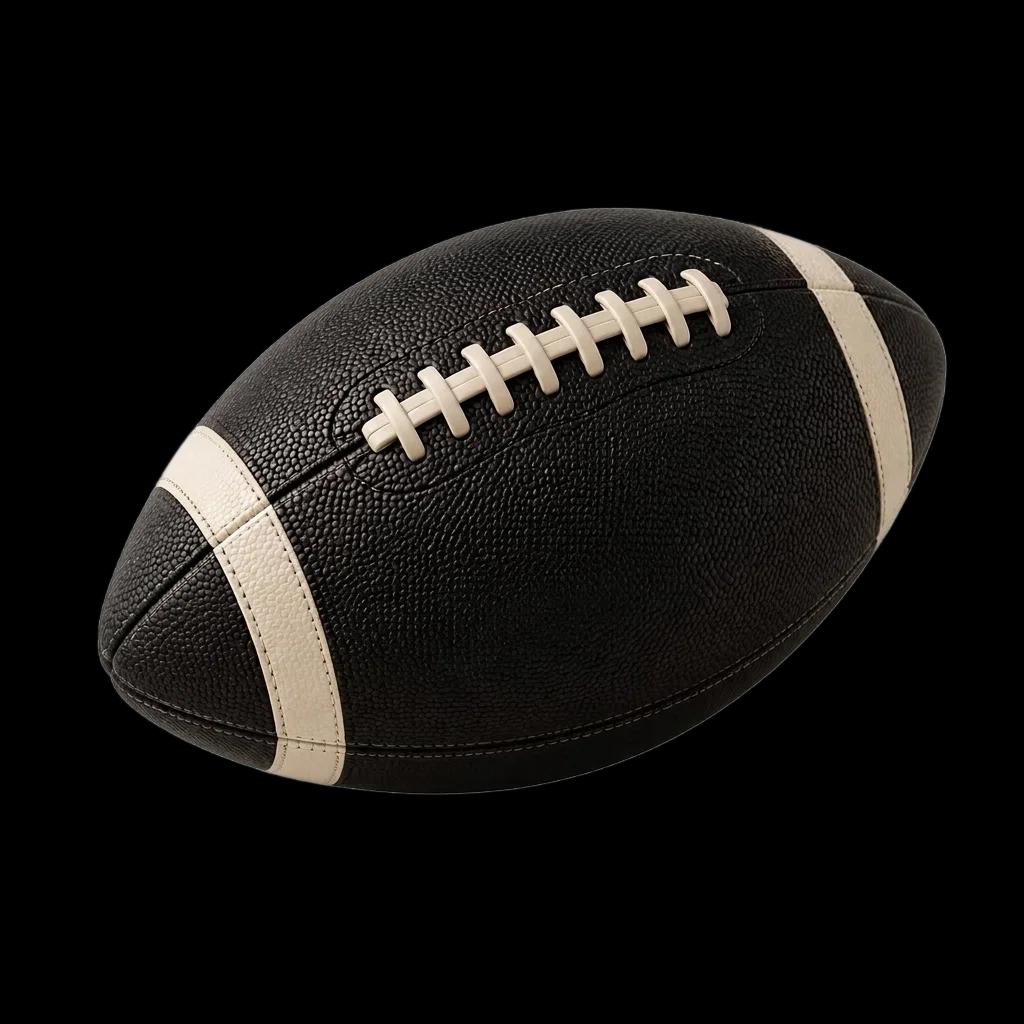
Rugby and American footballs keep the prolate-spheroid shape of the original bladder rather than moving to round panels. Lacing was originally functional — it closed the opening used to insert the bladder — and survives today mostly as a grip aid, functional on American footballs and largely decorative on rugby balls.

Table tennis balls were celluloid until 2014, when the sport's governing body switched the regulation material to ABS plastic after celluloid's flammability made it a shipping and manufacturing hazard. Badminton shuttlecocks split the same way natural materials split elsewhere in sport: goose-feather shuttlecocks remain the tournament standard for flight consistency, while synthetic nylon skirts dominate recreational and durability-focused sets.

Questions

A machine-stitched 32-panel PU (polyurethane) ball in a mid-range grade (China, 300–500 unit run) lands around $8–14; hand-stitched or match-quality balls with a multi-layer PU cover run $18–28, driven by stitching labor and lining layers that improve shape retention.

100 × Premium · White

$2,127

SHOPPING BAG

(0 items)