The Complete Guide to Employee Swag Kits for New Hires
If a piece of swag is destined for the trash, it's not a gift — it's a brand liability.
Why Onboarding Kits Actually Matter
The first week at a new job shapes how someone feels about a company for years afterward. Research cited by SHRM suggests employees who go through structured, well-designed onboarding are roughly 58% more likely to stay with a company for three or more years. A welcome kit is a small, tangible part of that structure — it tells a new hire they made the right call before they've sent their first Slack message.
What Belongs in a Good Kit
The strongest kits follow a simple formula: one premium wearable, one daily-use item, one desk or work essential, and one personal welcome touch. That's it. The temptation is to cram in more items, but a kit people actually use beats a kit that just gets photographed once and shelved.
The Sizing Problem
For distributed and hybrid teams, category choice matters more than most companies expect. Drinkware, bags, desk essentials, and stickers carry zero sizing complications — ship them anywhere, to anyone, without a size chart. Apparel is where kits get complicated, and where it's worth the most care.
Budget Tiers
Two tiers dominate the market right now: Essential kits ($90–$140 per employee) — typically a fleece quarter-zip or pullover hoodie, an insulated tumbler, a structured cap, and a branded notebook — and Premium kits ($100–$250 per employee) — a higher-tier apparel piece, better drinkware, a tech or desk accessory, and considered packaging. The difference between a $15 kit and a $150 kit isn't the number of items — it's whether each item feels like something the person would have bought for themselves.
The Shift Away From Cheap Promo Gear
The clearest trend heading into 2026: companies are moving from generic promotional items — the polyester blanket, the plastic pen — toward retail-quality gear people actually wear outside the office. The test worth applying to every item: would someone wear this to the grocery store, or does it go straight into a drawer? Retail-quality apparel gets worn, photographed, and occasionally posted on LinkedIn. Cheap promo gear gets thrown away, and the impression that leaves isn't neutral — it reads as a signal about how much the company values its own brand.
Remote & Hybrid Logistics
Distributed teams turn a simple kit into a shipping and sizing problem. The best-run programs solve this by shipping to arrive before or on day one — not week two — and by using a zero-inventory fulfillment model that produces on demand instead of relying on bulk-ordered stock sitting in a closet. That flexibility is what separates a scalable onboarding program from a one-time gesture that falls apart the moment hiring picks up.
Getting the Apparel Piece Right
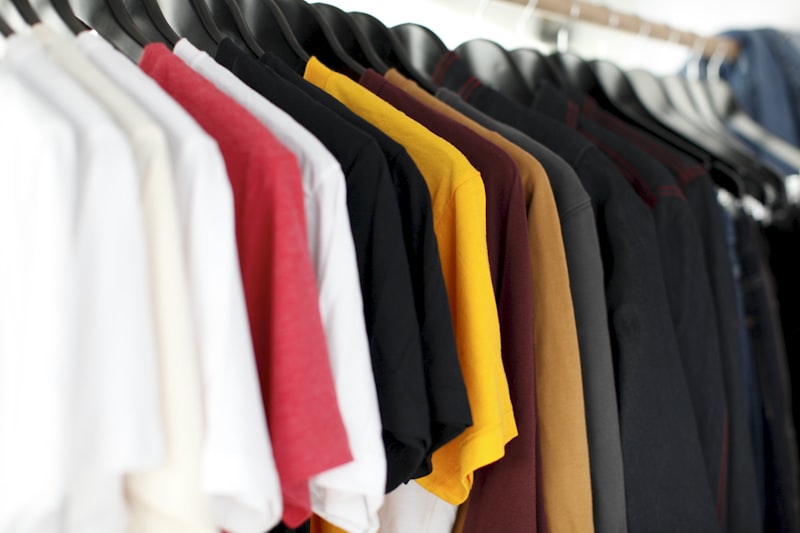
The wearable is almost always the centerpiece of the kit, and it's also the easiest item to get wrong. Three things separate a garment people keep wearing from one that ends up at the back of a drawer: fabric weight and construction (a mid-weight cotton fleece or proper poplin holds up far better than a lightweight promotional blend), a real fit range beyond S–XL, and print or embroidery durability — heat-transfer prints on cheap poly blends crack and peel within a few washes, while embroidery on a solid cotton base holds up for years.