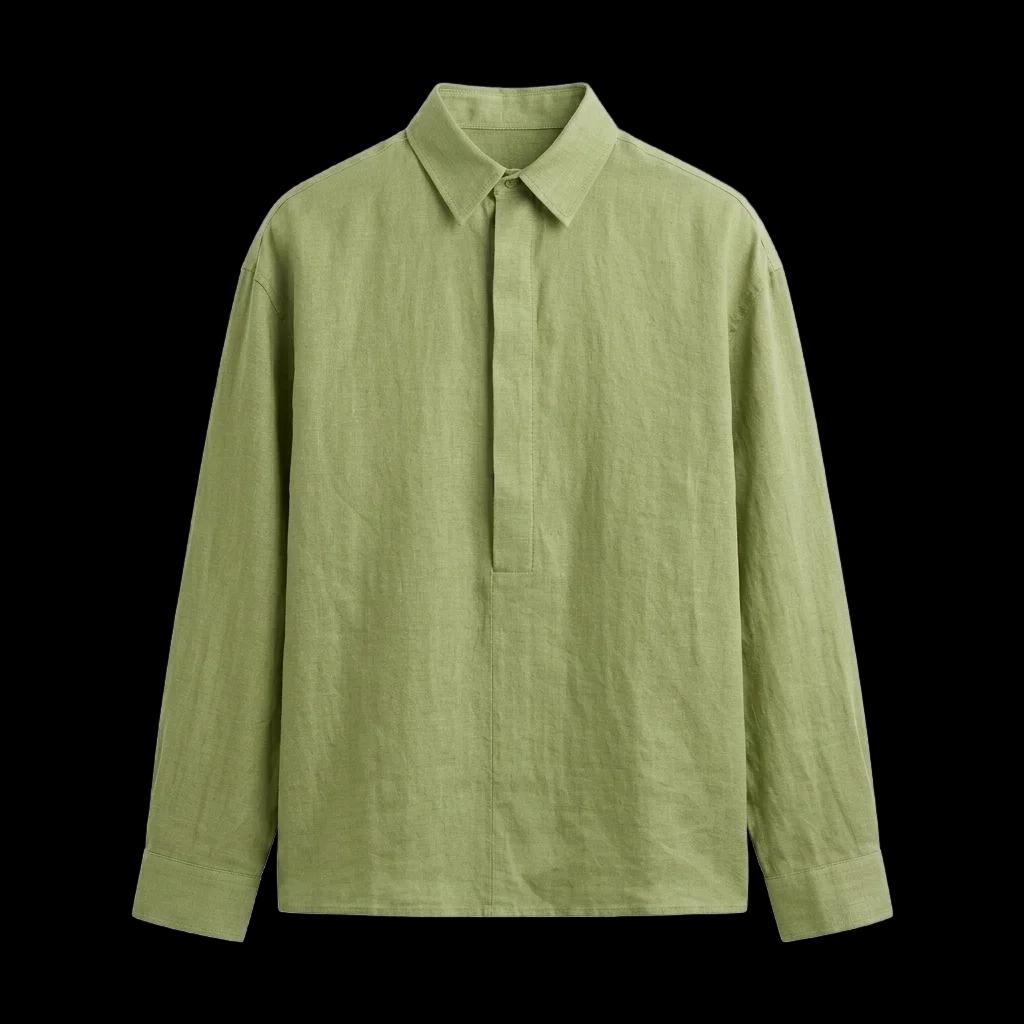
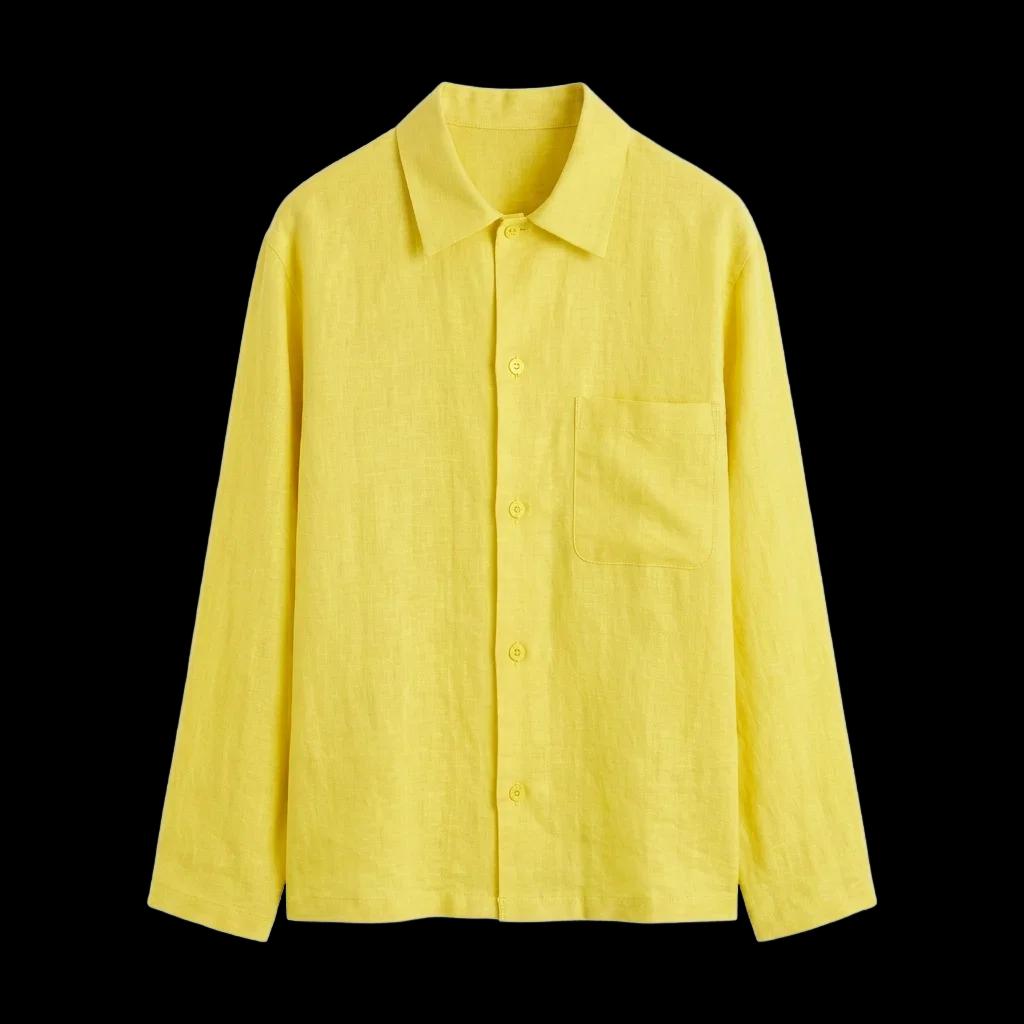
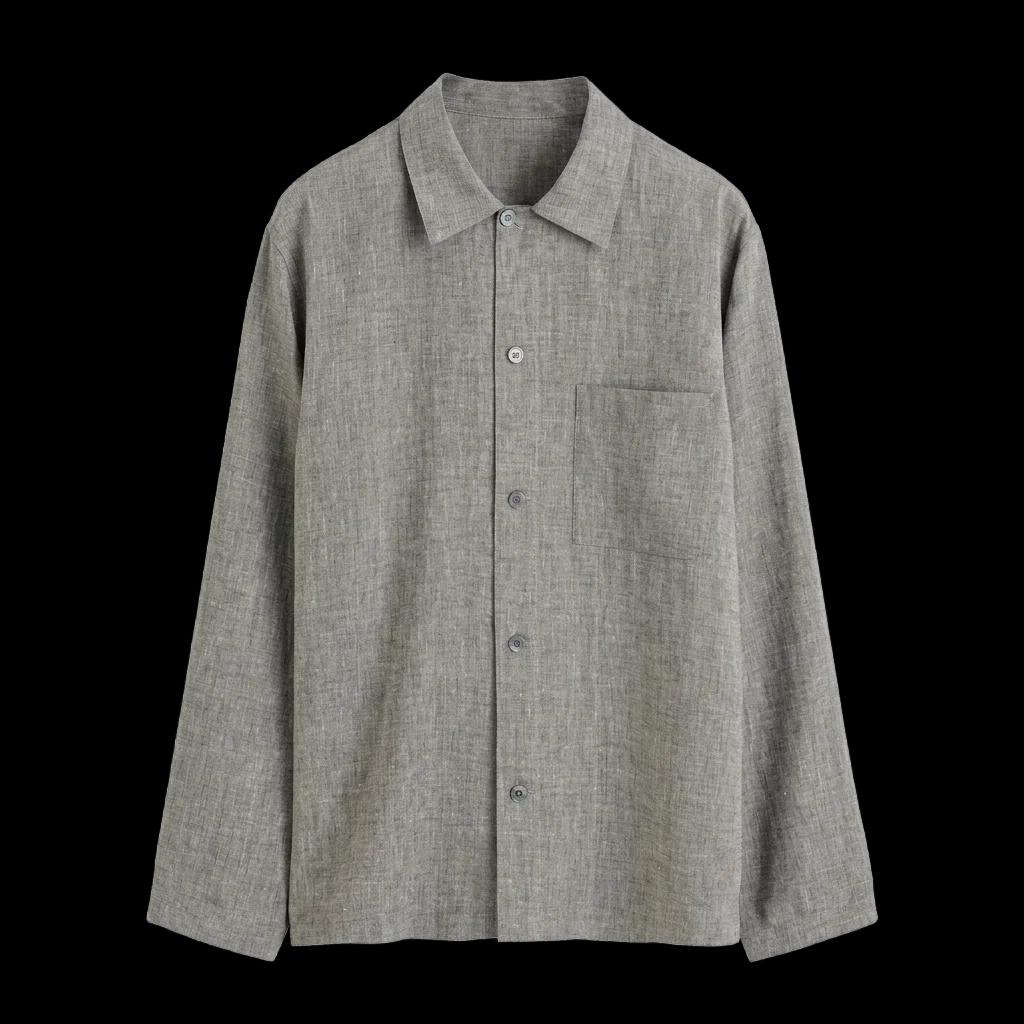
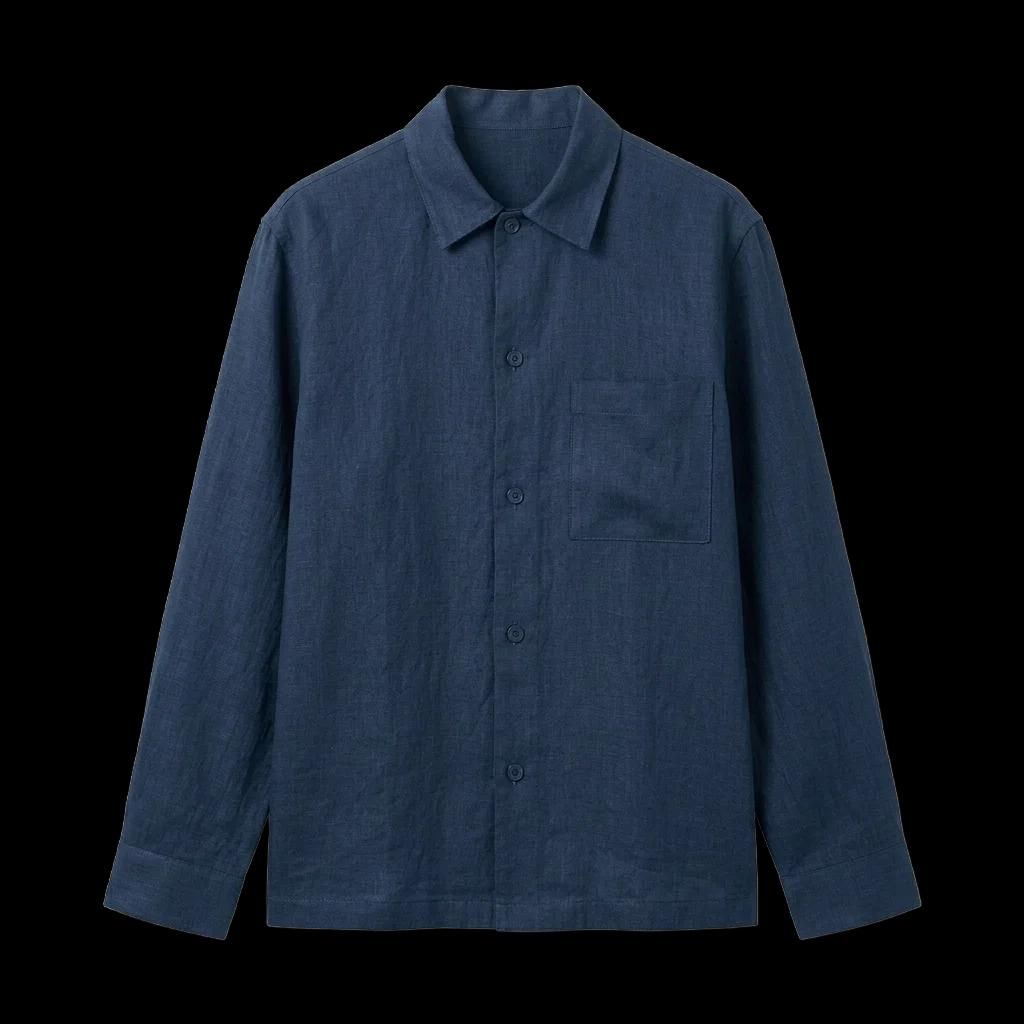
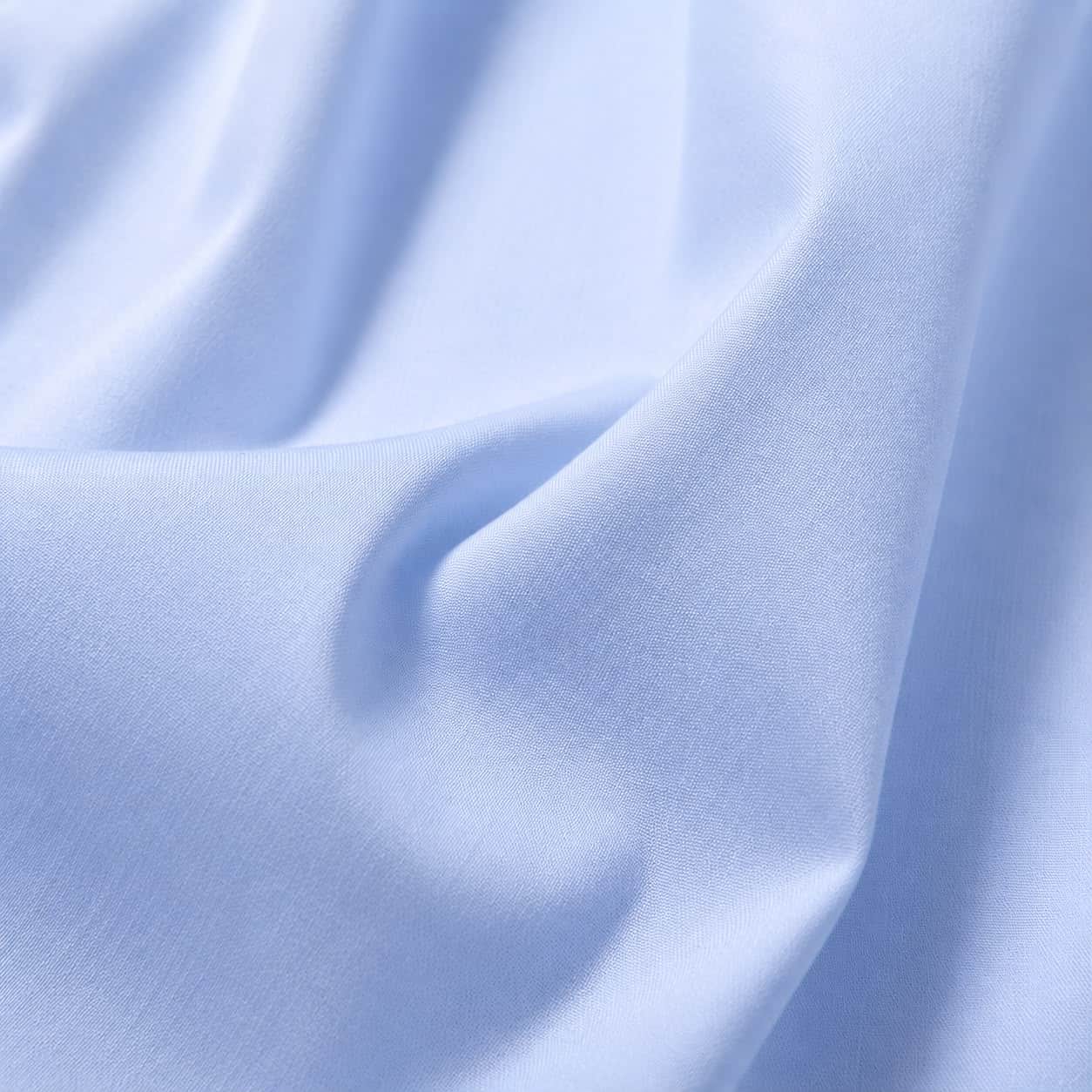
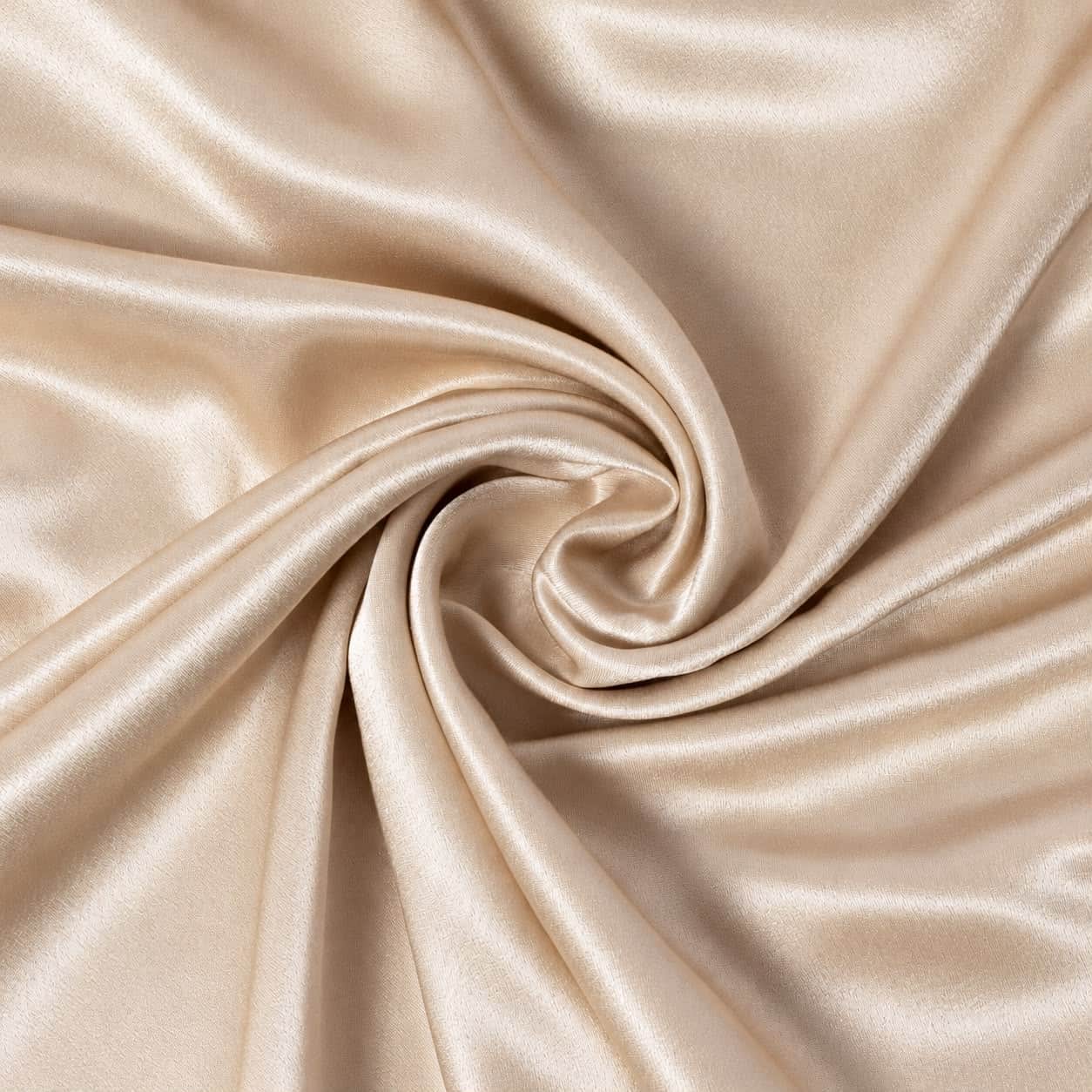
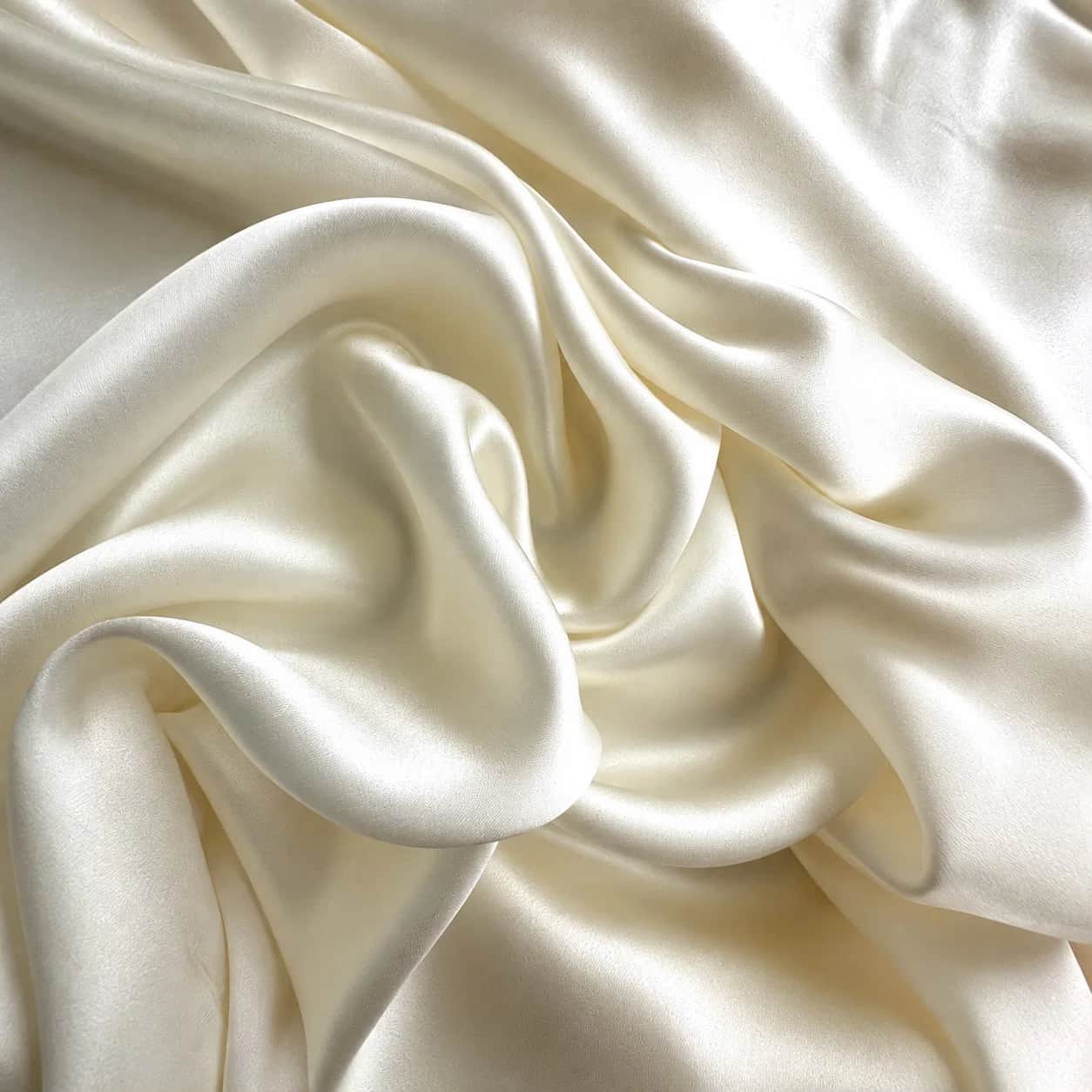
Linen is the oldest fabric in the world. Woven flax fragments have been found in caves dating to 30,000 BCE. Ancient Egyptians wrapped their pharaohs in it. Roman senators wore it as a signal of refinement. And in 2025 it is the fastest-growing fabric category in fashion — because it is the only fabric that is simultaneously 5,000 years old, completely sustainable, and exactly right for the climate we now live in.
30,000 BCEHistorical originThe oldest known woven flax fragments place linen at the beginning of textile history
6–13L/kgWater advantageFlax uses dramatically less water than conventional cotton
$22–88Premium benchmarkThe current landed cost range spans affordable to luxury linen shirting
The Story of the Linen Shirt — "The Fabric That Predates Fashion"
Linen is not a trend. It predates the concept of trend by several millennia. Woven flax fibres have been found in prehistoric cave sites in the Republic of Georgia, dated to approximately 30,000 BCE — making linen the oldest textile in human history. Ancient Egyptian linen was so prized that it functioned as currency. The finest grades, woven so tightly they were nearly transparent, were reserved for priests and royalty. When archaeologists opened the tomb of Tutankhamun in 1922, the linen wrappings were still intact after three thousand years.
Roman senators wore linen as a signal of refinement over wool. Medieval European nobility imported it at great expense from Flanders and Ireland, where the cool, damp climate proved optimal for growing flax. In the 18th century, Irish linen — bleached white on the famous bleach greens of County Down — was one of the most traded commodities in the Atlantic economy.
Linen is made from the bast fibre of the flax plant, Linum usitatissimum. After the flax stalks are harvested, they are retted — soaked to separate the fibre from the woody core — then scutched and hackled to produce long, lustrous strands. These are spun into yarn and woven into fabric. The process is labour-intensive. The fibre is uniquely long and strong. The resulting fabric is unlike anything produced from cotton, wool, or synthetic fibre.
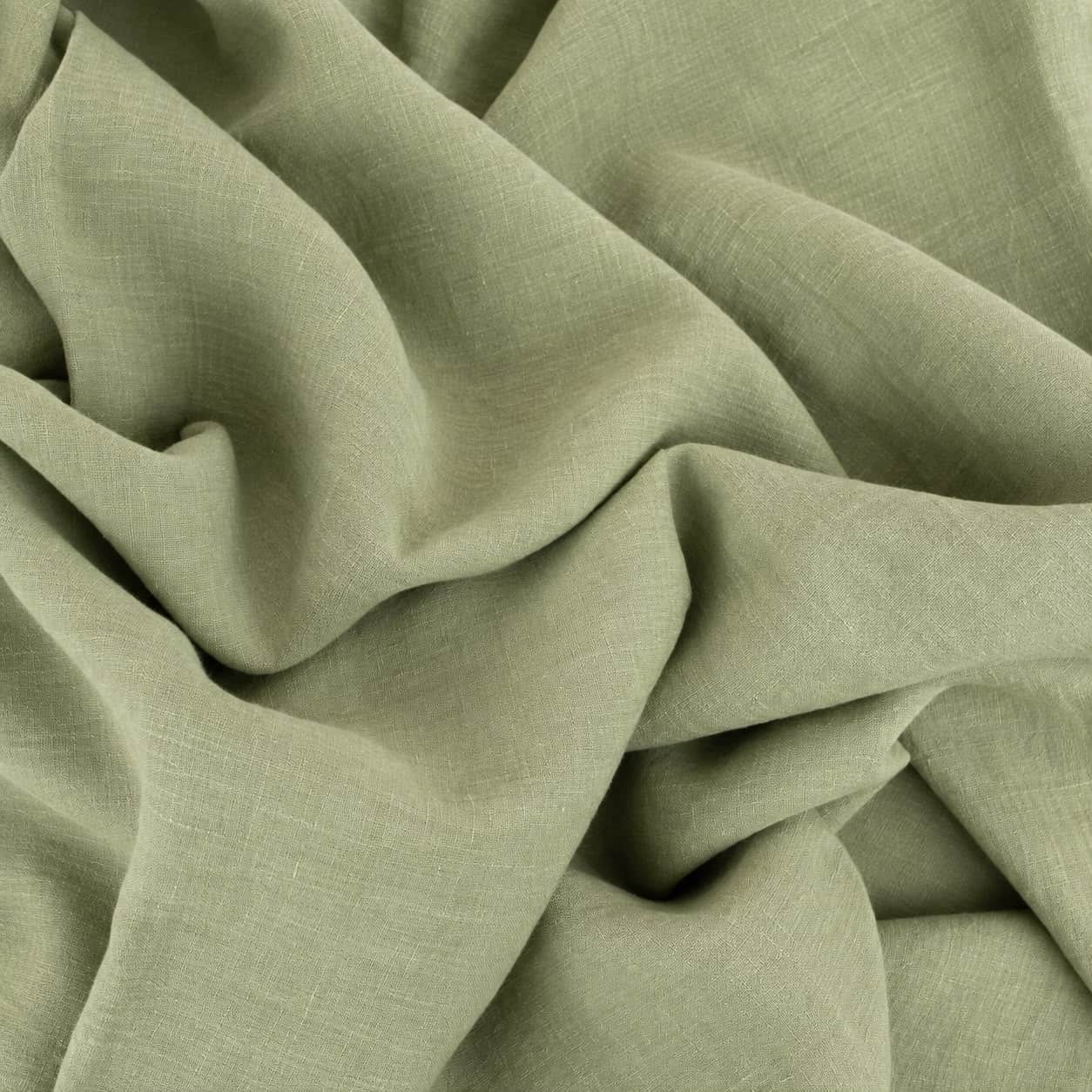
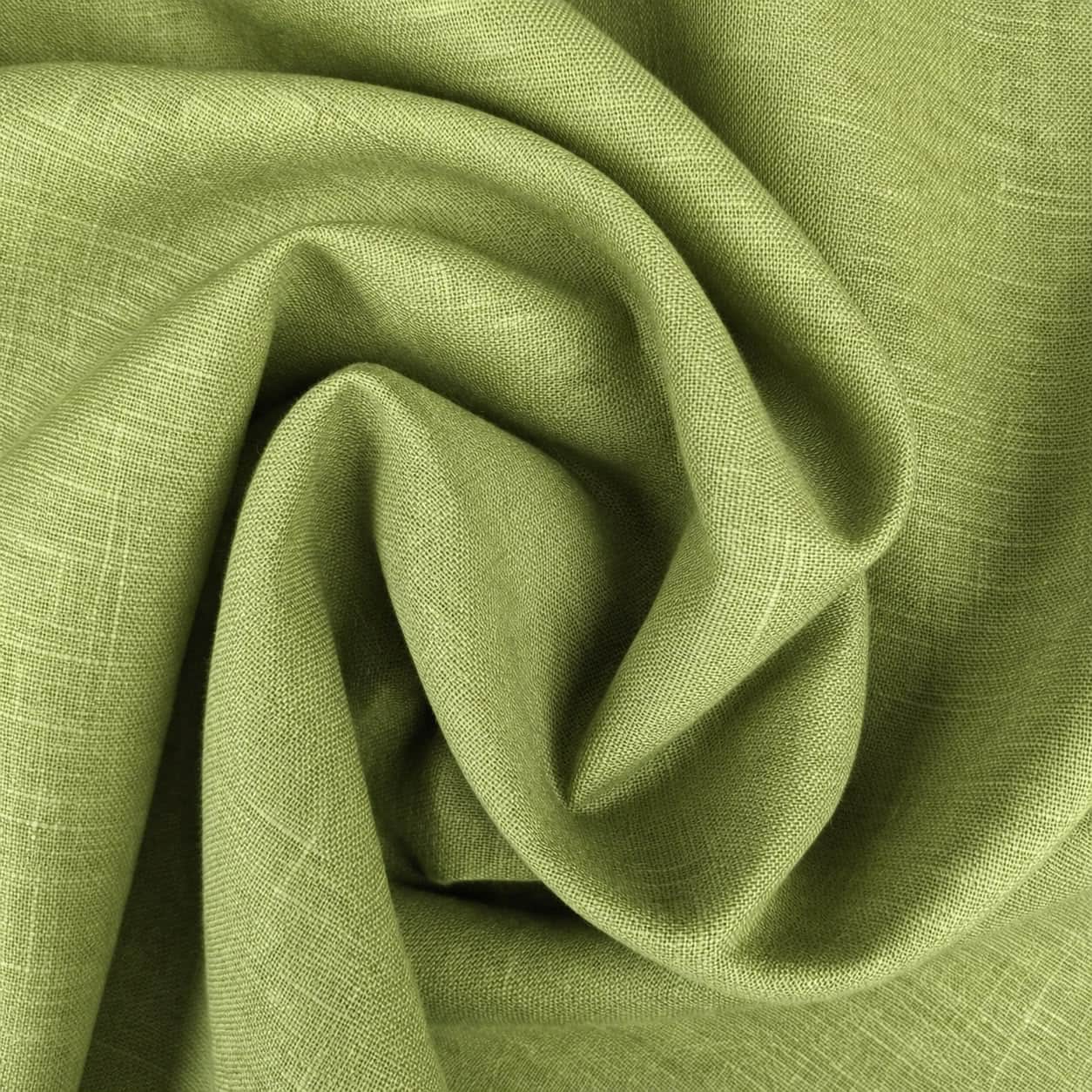
Linen's physical properties are determined by its hollow fibre structure. Moisture moves away from the body rapidly — linen is approximately 30% more absorbent than cotton by weight. It conducts heat away from the body more efficiently than cotton, which is why a linen shirt feels genuinely cool at 35 degrees. It is naturally antibacterial. And it wrinkles. This last property has defined the consumer conversation about linen for decades, and the answer depends entirely on which grade of linen you are discussing.
The linen shirt's cultural history is a history of summer and of a particular kind of earned ease. The white linen shirt, slightly crumpled, collar open, became the uniform of the Mediterranean summer — worn by artists in Positano, writers in Tangier, architects in Ibiza. It was deliberately imprecise. A rejection of the pressed formality of cotton dress shirting in favour of something that looked as though it had been lived in. This was not negligence. It was the entire point.
Giorgio Armani's deconstructed linen suits and shirts of the 1980s — fluid, unlined, worn open at the collar over a T-shirt — brought the fabric into the mainstream of contemporary fashion without diluting its character. Armani understood that linen's refusal to be formal was its strength, not a weakness to be corrected. Hermès has produced linen shirts at the luxury tier for decades. Brunello Cucinelli uses Irish linen at price points that make the fabric's properties visible in every seam.
Now linen is having a much broader cultural moment, driven not by aesthetics but by ecology. Flax requires approximately 6 to 13 litres of water per kilogram of fibre. Conventional cotton requires 10,000 to 20,000 litres. Flax grows without irrigation in European climates. It uses fewer pesticides than cotton. The entire plant is usable — seeds for linseed oil, fibre for textile, woody core for construction and bedding. Belgium and Northern France, particularly the Lys River basin, produce the world's finest flax. Ireland historically produced the finest yarn from this flax.
The CELC — the Confederation of European Linen and Hemp — awards the Masters of Linen certification to fabric guaranteed to have been grown, retted, and woven entirely in Europe. This is the linen equivalent of an appellation d'origine contrôlée. Belgian flax line linen is to linen what Sea Island cotton is to cotton — the finest available fibre grade.
The contemporary linen shirt market spans every price point from fast fashion to couture. But linen cannot be successfully faked. A low-quality linen shirt — made from short-fibre tow linen, processed cheaply, sewn carelessly — wrinkles badly, pills quickly, and loses character within a season. A high-quality linen shirt — made from long-fibre Belgian or Irish line linen, properly processed, correctly constructed — improves with every wash and develops a patina of wear that makes it more beautiful over time. This is the linen paradox: the most ancient fabric in fashion is the most demanding of correct specification.

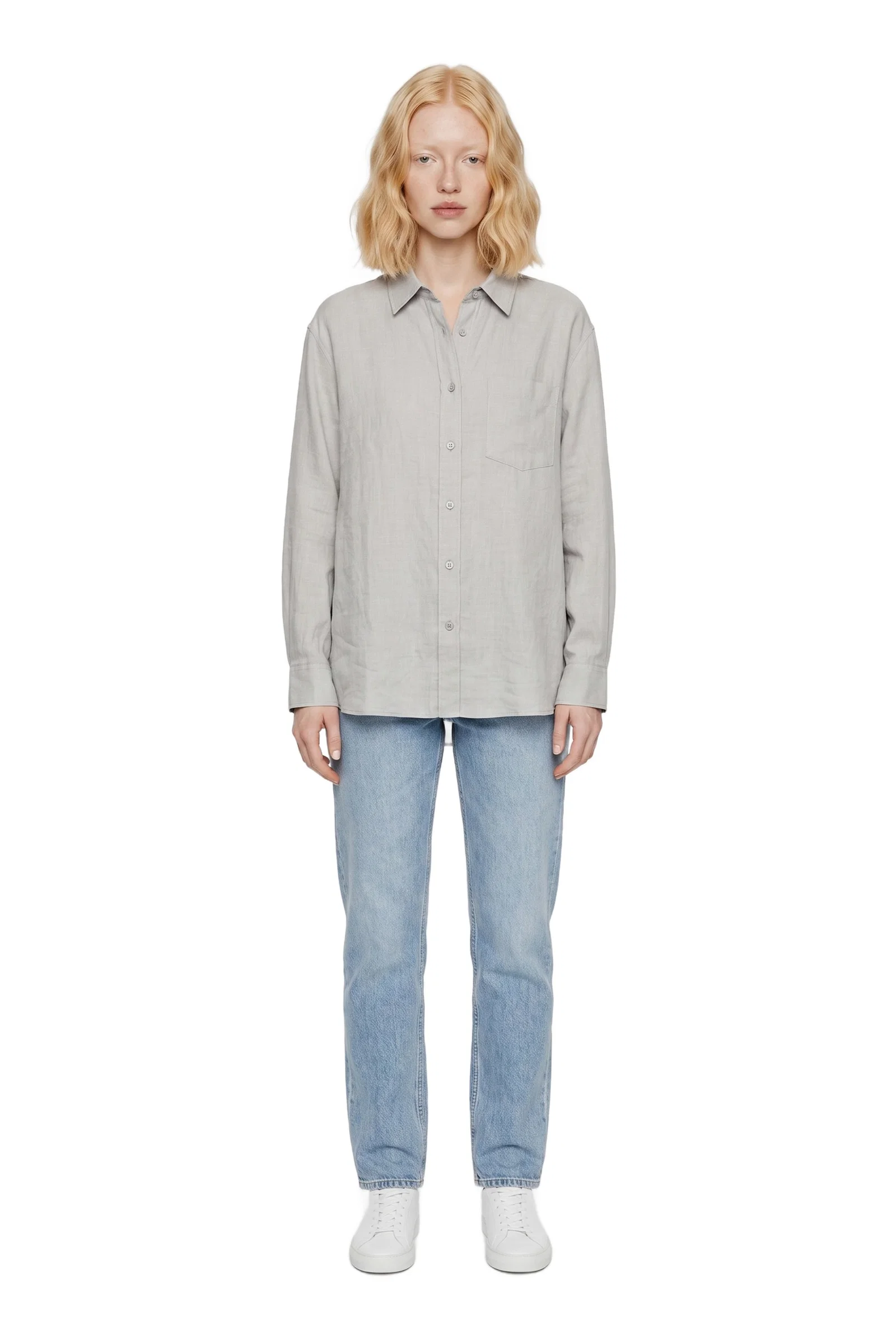 Model
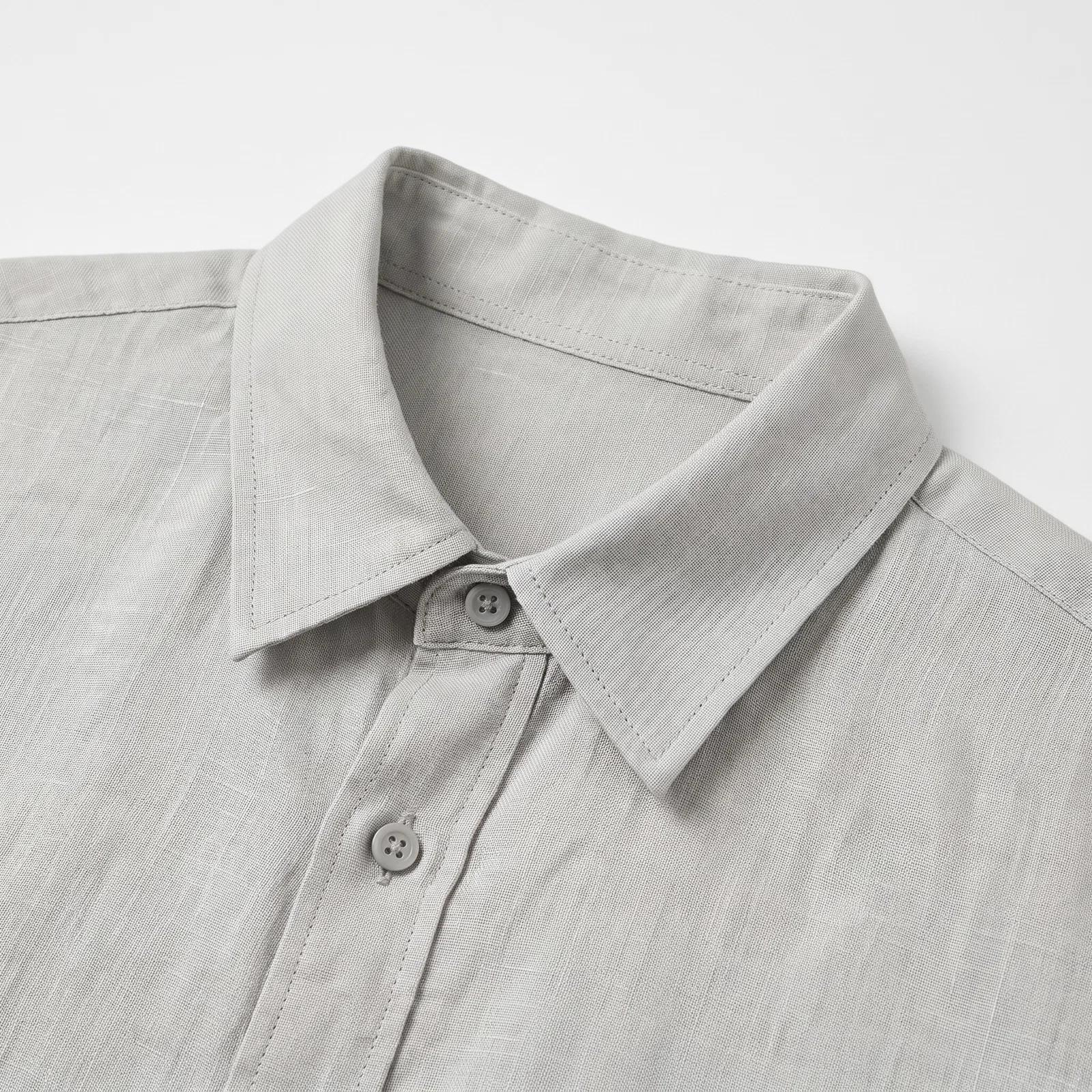 Close-upFabric and finish