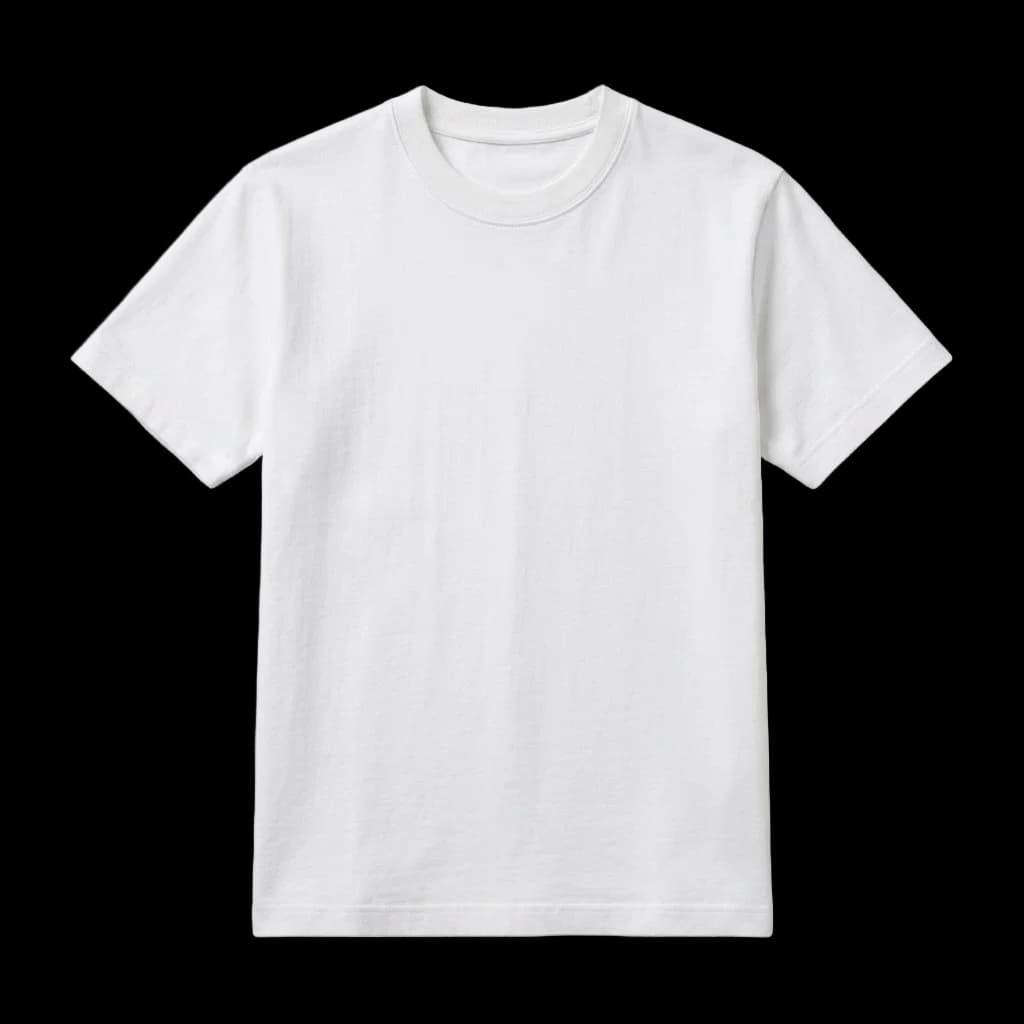
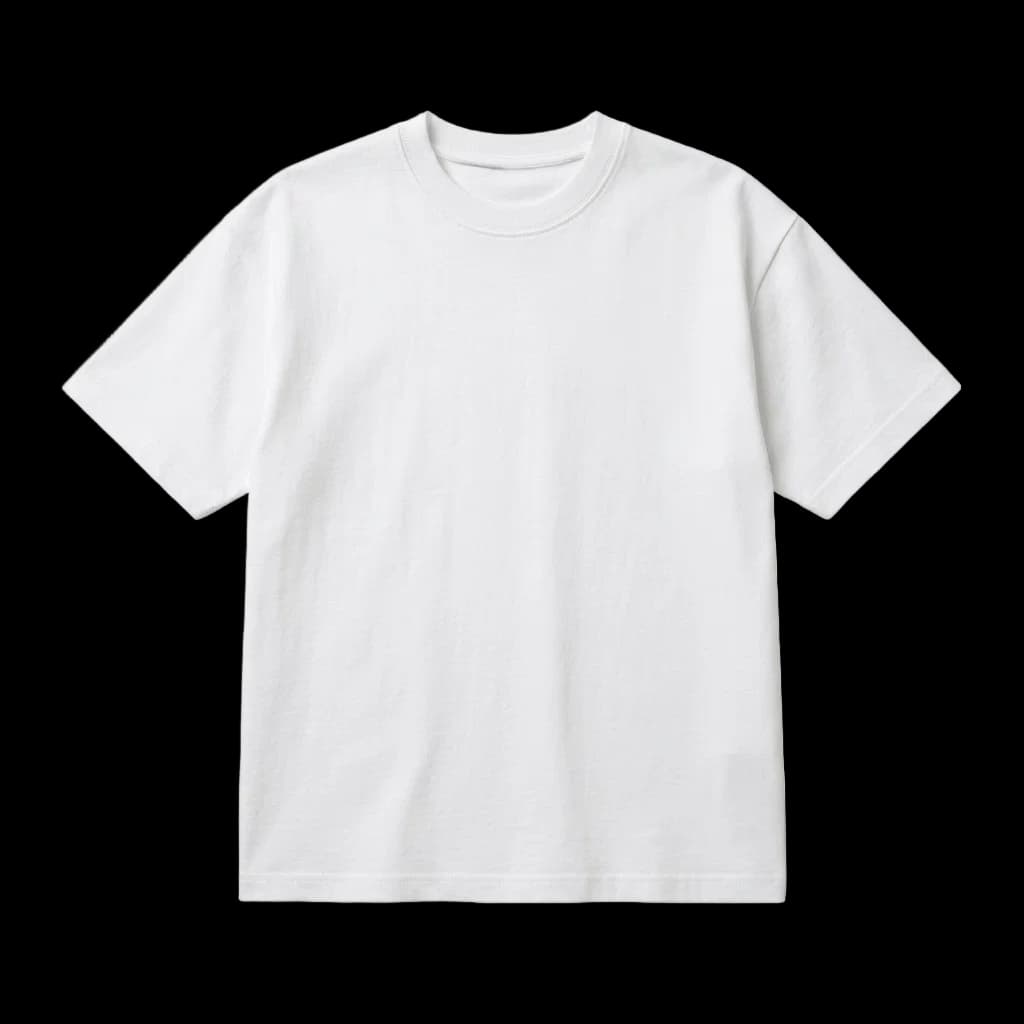
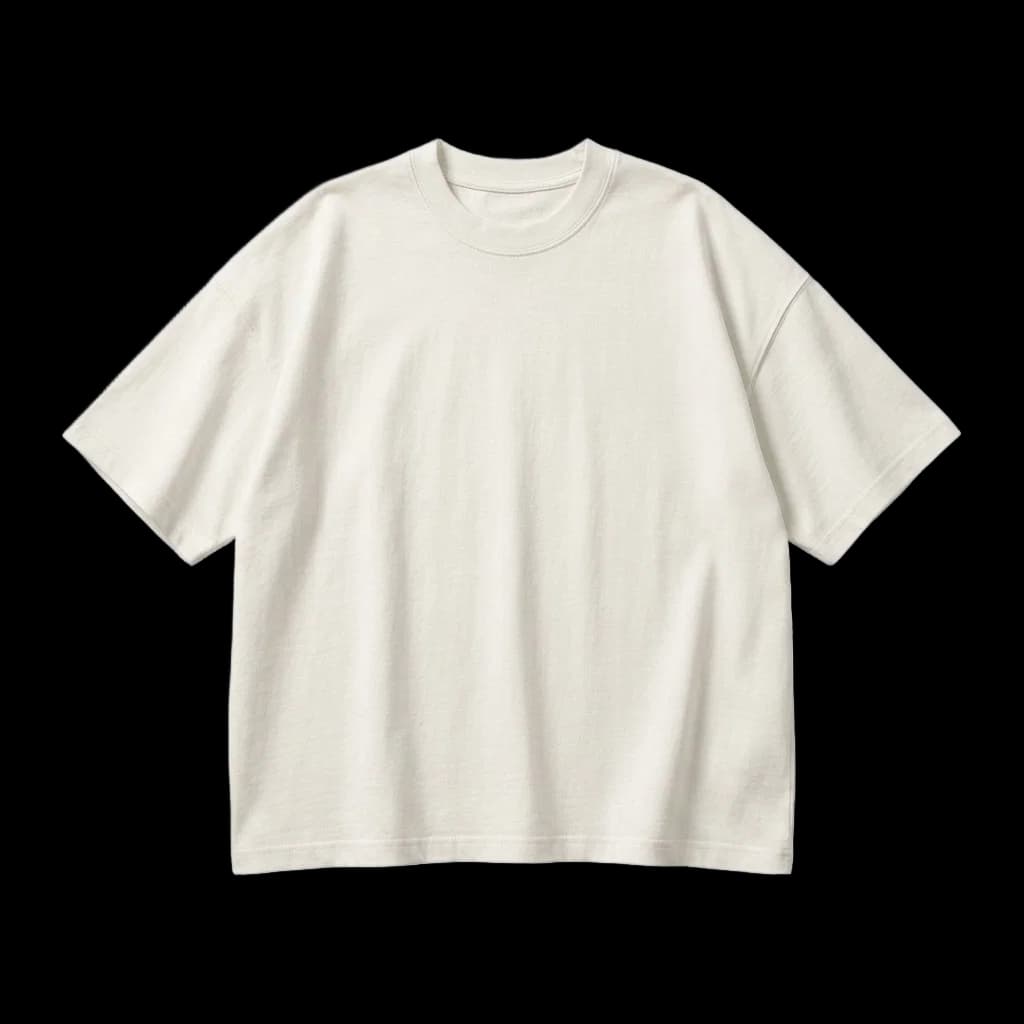
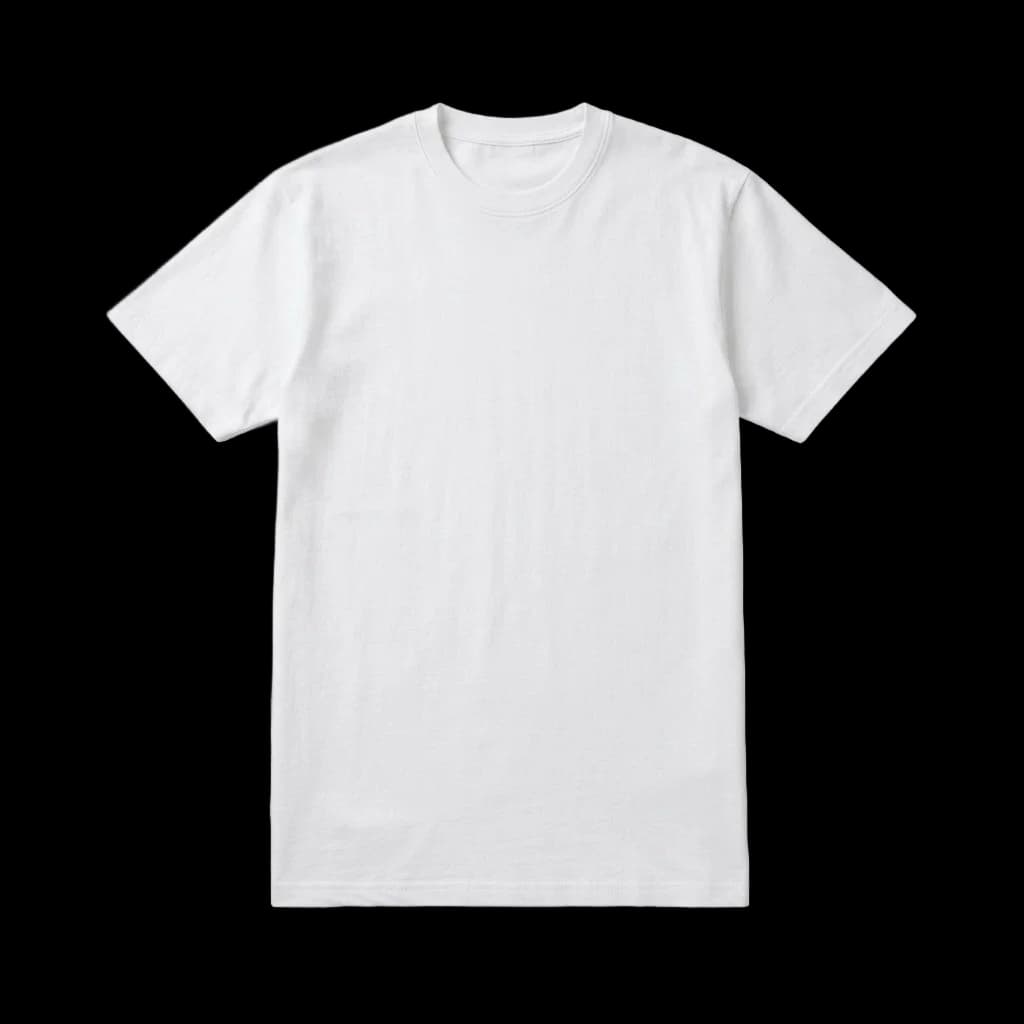
boxy oversized t-shirt/ Cropped Tee, Premium grade (Premium Cotton Interlock)
Made to order in White
Your size run, as set above
Replaced if anything arrives faulty
Shipping is priced at checkout from your address.
Make it yours
Your logo on the chest, a woven label, a back print, a colour from your brand book: Gabi designs the changes with you in the Studio and prices the finished piece before you order it. Your logo file goes on as you supply it.
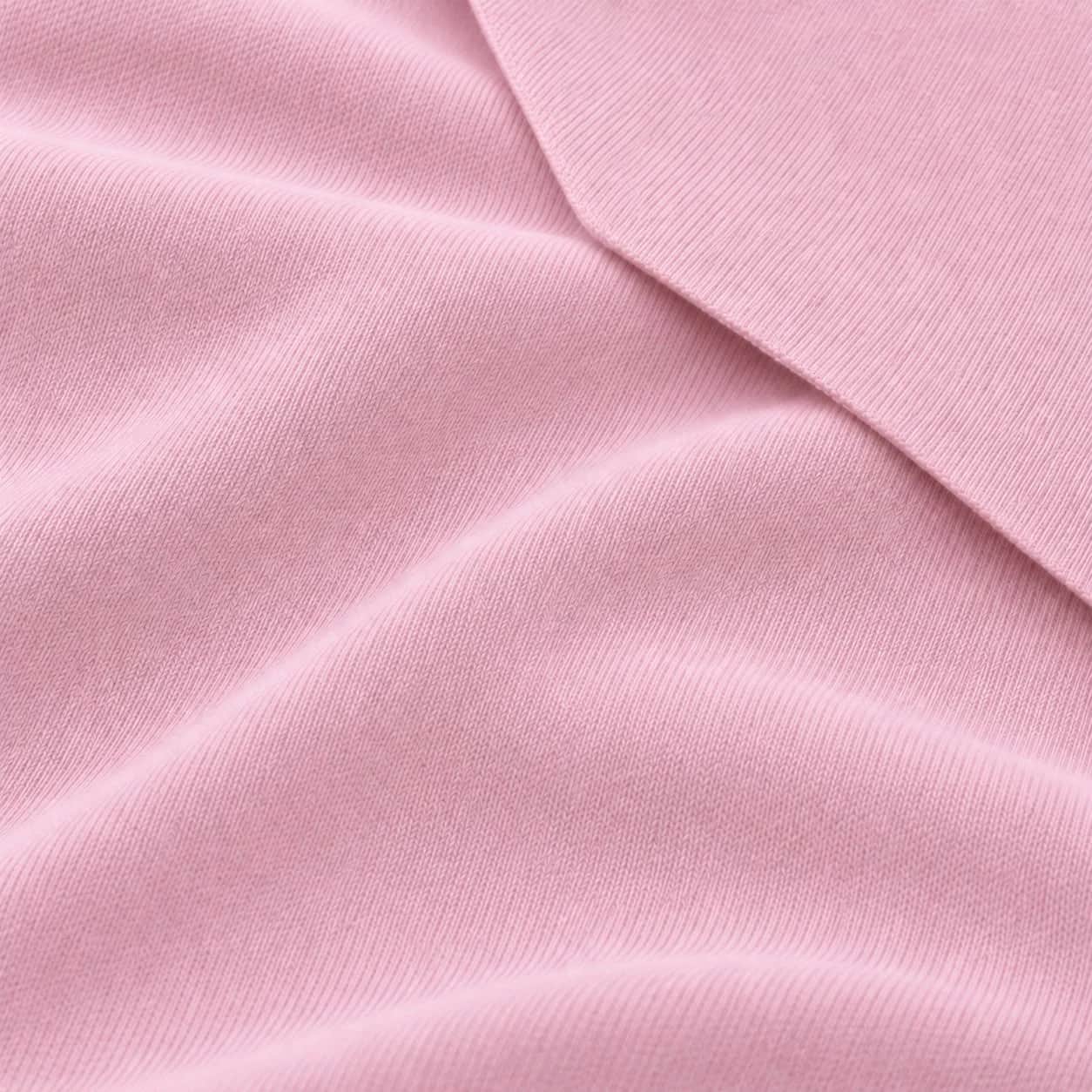
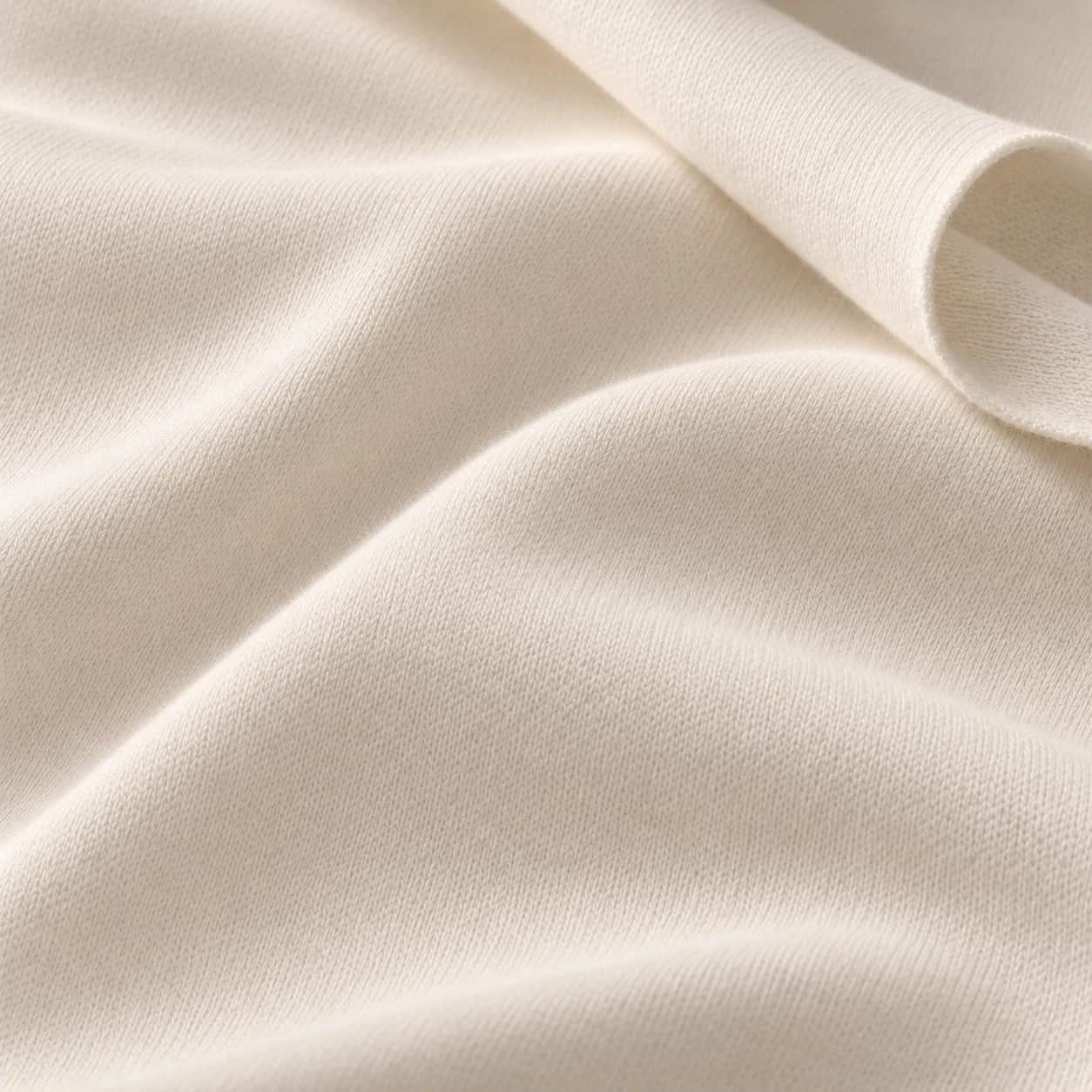
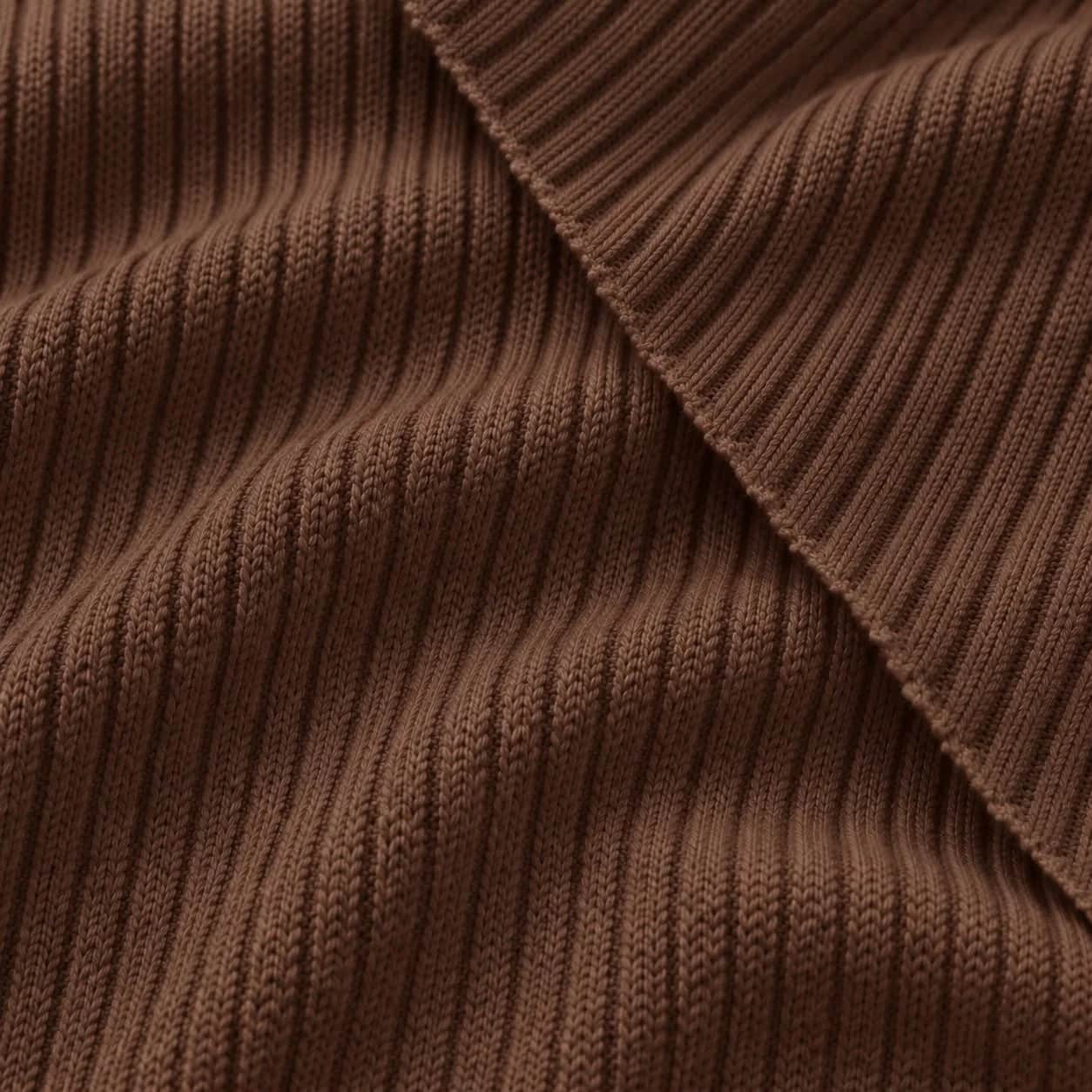
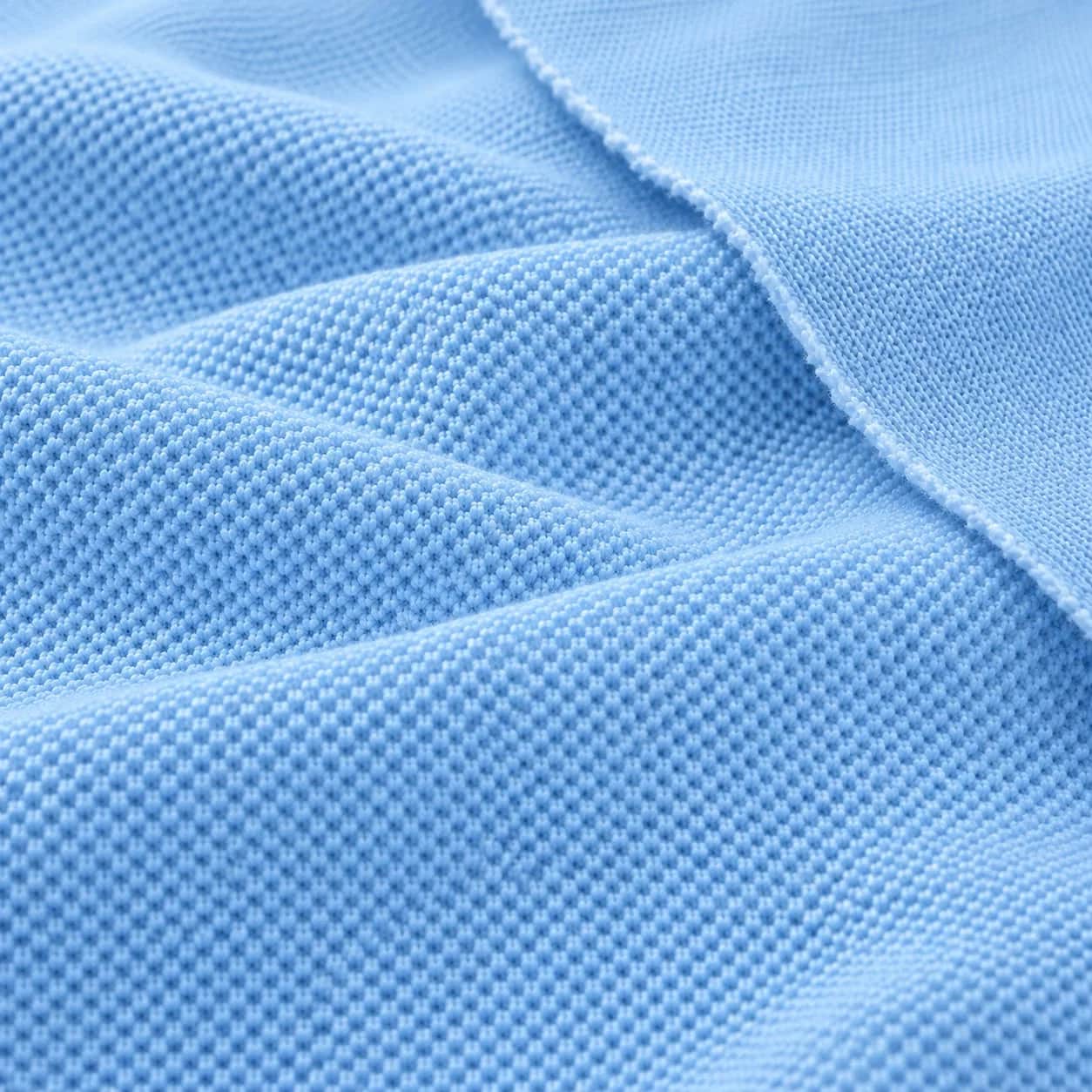
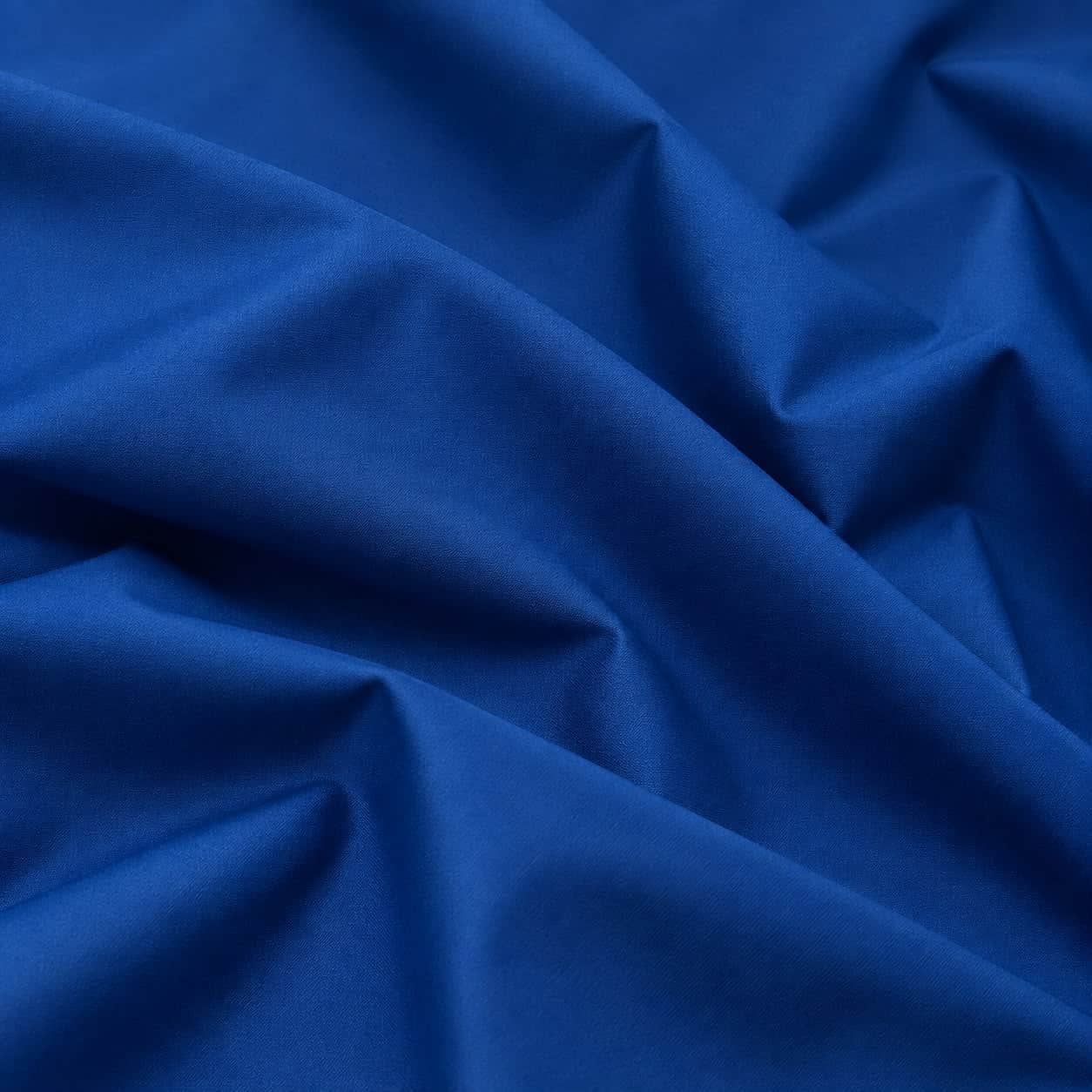
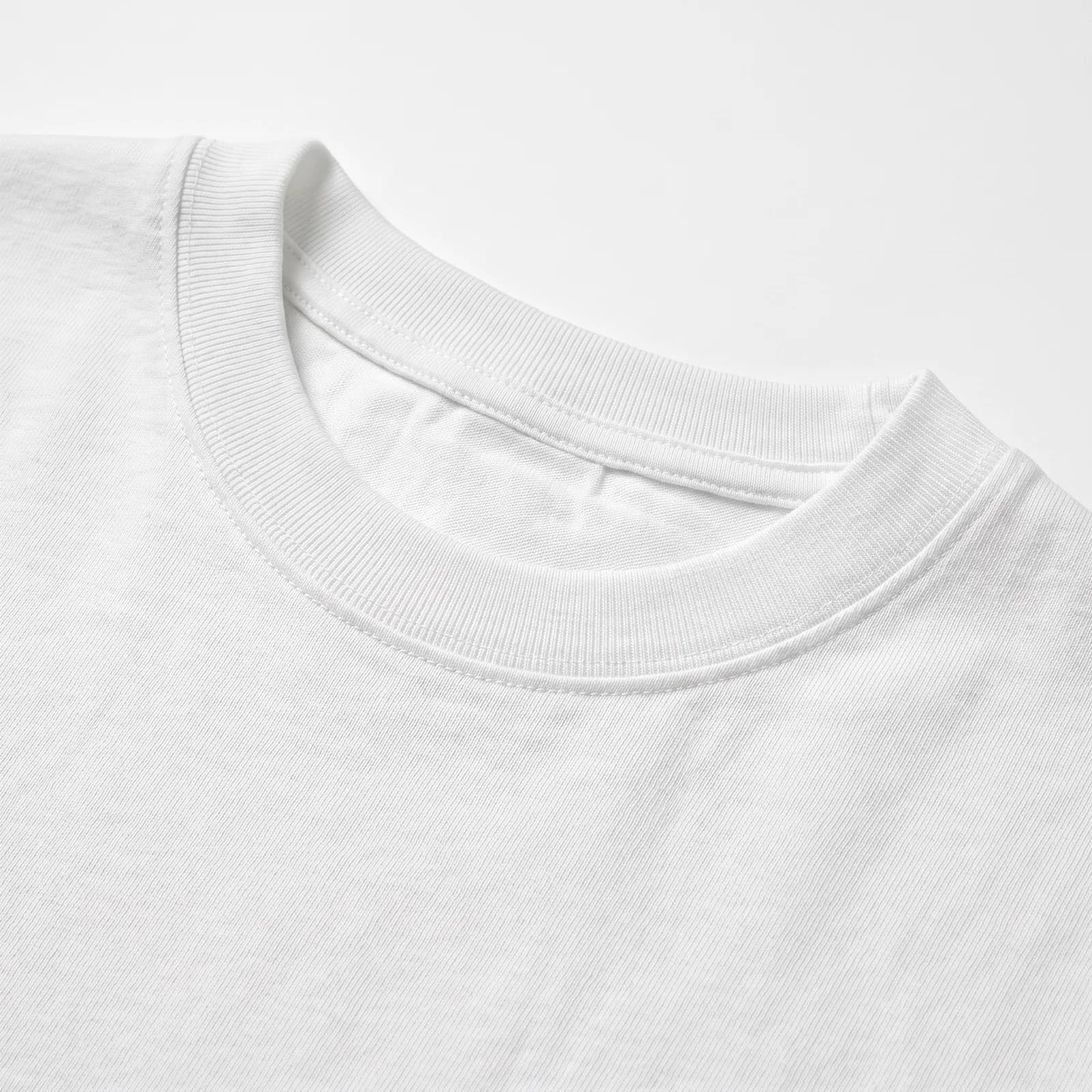
Close-upFabric and finish
Replaced if faultyMade to order, so no change-of-mind returns. Anything that arrives damaged or defective, we make right.
Try one firstOne unit in Premium, made like the run, through the same checkout.
The body is cut straight and wide through the torso, ending at a cropped length with a straight hem. Drop shoulders sit roughly 10 cm out from the neck, giving short set-in sleeves a low, outward angle. A ribbed crew neckline finishes the pullover shape, and the white cotton jersey hangs away from the body rather than following it.
Specs
GradePremium, Premium Cotton Interlock
Main Fabric100% Cotton, 240gsm
Neck Ribbing95% Cotton / 5% Elastane
FitBoxy
SilhouetteBoxy
LengthCropped
NecklineRibbed crew neck
SleeveSet-in
HemStraight
ClosurePullover
CareMachine wash at 30°C on a gentle cycle, Do not bleach, Do not tumble dry
Minimum orderNone, from 1 unit
Size guide
cm
XXS
XS
S
M
L
XL
XXL
Bust
54
56
58
60
62
64
66
Length
58
60
62
64
66
68
70
The garment measured flat: compare it with one you own.
For a hundred years, it was hidden under shirts, worn by soldiers and sailors, invisible to the world. Then Marlon Brando put one on screen in 1951 — and everything changed. Today the T-shirt is the most produced garment in human history. 2 billion units a year. And the first thing almost every independent fashion brand ever makes.
A T-shirt costs between $13 and $28 per unit landed, depending on material tier and factory region. Standard conventional cotton at 300 units from China or Vietnam lands at approximately $13–$16 per unit, including fabric, CMT, trims, finishing, freight, and duties. Premium T-shirts using GOTS-certified organic cotton land at $20–$28 per unit at the same volume.
The best fabric for T-shirt manufacturing is 100% cotton jersey, with regenerative or organic cotton preferred for quality and sustainability. Regenerative cotton at 160–200 GSM delivers identical performance to conventional cotton while actively restoring soil health. Cotton/polyester blends should only be used when price is the absolute priority.
A standard T-shirt should be 160–200 GSM for everyday wear, 120–150 GSM for lightweight or layering styles, and 220–260 GSM for premium streetwear or oversized fits. GSM is the single most tangible signal of quality — a 180 GSM tee feels fundamentally different from a 130 GSM version even in identical construction.
The minimum order quantity for T-shirts is typically 300 to 500 units per colourway at standard factories, though smaller runs of 50 to 100 units are accessible through specialist networks like Sparkit. Blank jersey basics can be sampled from as low as 12 units.
T-shirt manufacturing takes between 28 and 93 days from order to delivery, depending on production region and shipping method. China is fastest for sampling at 3 to 5 days for a standard crewneck; full production plus sea freight to the UK totals 53 to 82 days. Turkey offers the fastest European delivery at 28 to 46 days total.
The difference between a luxury and a fast fashion T-shirt is almost entirely in the material, not the construction. Luxury T-shirts use long-staple cotton at 200 GSM or above with premium finishes. Fast fashion typically uses 130 to 160 GSM cotton/polyester blends that are cheaper but contain petrochemical fibres and produce a noticeably thinner, less durable garment.
Fitted and oversized T-shirts cost almost the same to manufacture, with the main difference being $0.50 to $1.00 more in fabric per unit for the oversized silhouette. CMT labour is within 5% between the two styles. The cost difference comes from fabric consumption: oversized uses approximately 0.95 to 1.05 metres versus 0.80 to 0.85 metres for fitted.
Yes, regenerative cotton is worth the premium for brands in the premium or luxury tier, because it delivers the strongest sustainability credential in fashion without any trade-off in garment performance. It performs identically to conventional cotton in weight, handle, printability, and wash durability. Regenerative is the most credible sustainability credential in fashion, ahead of both organic and recycled.
Ribbing on a T-shirt is the stretchy knit band sewn at the neckline, cuffs, and sometimes the hem, made from a separate rib fabric that alternates knit and purl stitches to create stretch and recovery. The most common rib for T-shirt neckbands is 1x1 rib, which stretches over the head and returns to shape. 2x2 rib is bolder and more structured, used in sportswear and heavier tees.
Screen printing uses physical ink stencils and is best for bold designs at volumes of 24 units or more, costing $1.50 to $4.00 per unit for 1 to 4 colours. DTG, Direct to Garment, uses an inkjet printer directly on the fabric, requires no minimum order, handles full-colour photo-realistic designs, and costs $3.00 to $6.00 per unit. Screen printing produces more durable, vibrant results at scale; DTG is the right choice for low MOQ, complex artwork, or sampling.
T-shirts shrink after washing primarily because the fabric was not pre-shrunk, or compacted, before being cut and sewn. Compacting is a finishing process that mechanically relaxes the fabric so it has already shrunk before the garment is made. Specifying compacting in your fabric order prevents post-wash shrinkage in almost all cases. Cotton shrinks more than polyester blends, which is one reason some brands use blends despite the quality trade-off.
CMT stands for Cut, Make, and Trim — the core labour cost of manufacturing a garment, covering cutting the fabric, sewing it together, and attaching all trims including labels, buttons, and zippers. CMT does not include fabric, finishing, freight, or duties. For a standard T-shirt, CMT ranges from $3.00 to $4.50 per unit at affordable tier in China or Vietnam, up to $8.00 to $12.00 per unit at luxury tier in Portugal or Turkey.

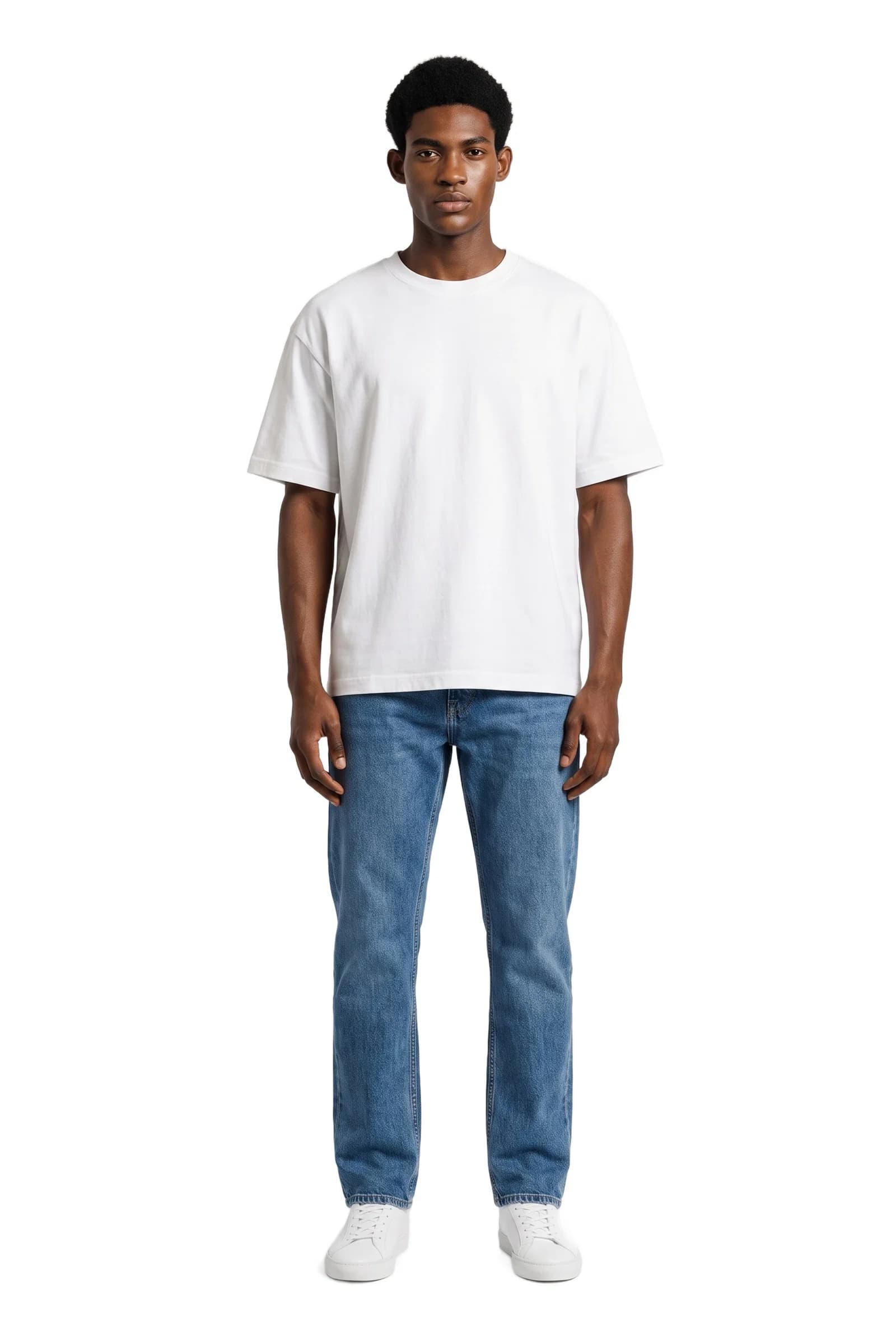 Model
 Close-upFabric and finish