Technical Court Polo

Performance Clothing · regular fit · Premium Recycled Performance
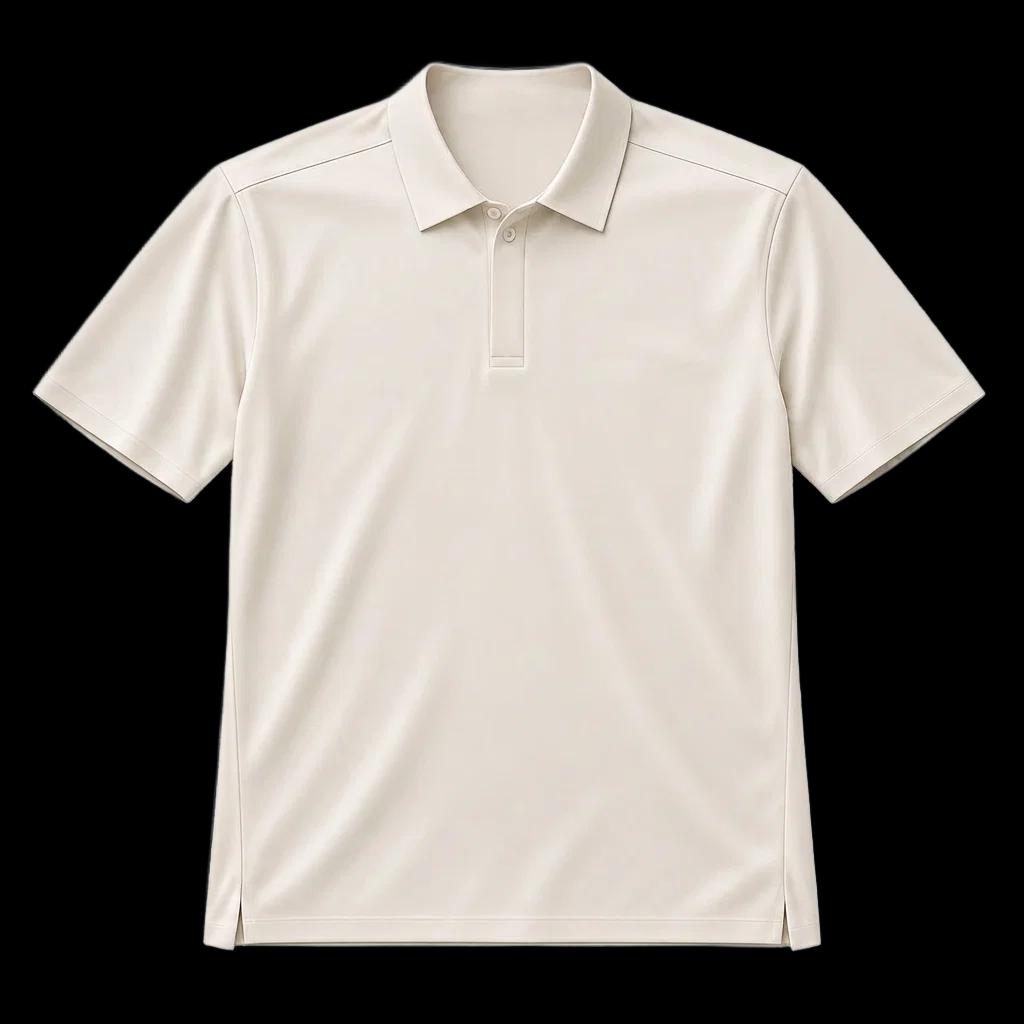
Technical Court Polo, flat front
Flat front
GradePer unit at 100
ColourCream
QuantityUnder 50, a $120 development fee applies

Add 200 more to pay $25.00 / unit.

Size run ·
Customise

Gabi designs your changes in the Studio, then you order the finished piece. ORDER below makes it as shown.

Delivery
Lead time confirmed with your orderShipping is priced at checkout from your address.
Premium · Cream × 100$28.75 / unit
ShippingAt checkout
Total, before shipping$2,875
Get a team quote

What's included at $28.75

  • Technical Court Polo, Premium grade (Premium Recycled Performance)
  • Made to order in Cream
  • Your size run, as set above
  • Replaced if anything arrives faulty

Shipping is priced at checkout from your address.

Make it yours

Your logo on the chest, a woven label, a back print, a colour from your brand book: Gabi designs the changes with you in the Studio and prices the finished piece before you order it. Your logo file goes on as you supply it.

Replaced if faultyMade to order, so no change-of-mind returns. Anything that arrives damaged or defective, we make right.
Try one firstOne unit in Premium, made like the run, through the same checkout.

A straight-cut short-sleeve polo with a regular body length that ends at the hip. The self-fabric collar sits close to the neck above a narrow two-button placket, while set-in sleeves and a straight hem with side vents complete the outline. It falls with a relaxed, even drape across the torso.

Specs

GradePremium, Premium Recycled Performance
Main Fabric88% Recycled Polyester / 12% Elastane, 160gsm
interfacing100% Recycled Polyester
FitRegular
SilhouetteStraight
LengthRegular
NecklineSelf-fabric polo collar with 2-button placket
SleeveSet-in
HemStraight with side vents
Closure2-button front placket, DTM plastic buttons
CareMachine wash at 30°C on a gentle cycle, Do not bleach, Do not tumble dry
Minimum order50 units

Size guide

cmXXSXSSMLXLXXL
Bust46.54951.55456.55961.5
Length66687072747678

The garment measured flat: compare it with one you own.

Encyclopedia

In 1958, DuPont chemist Joseph Shivers invented a stretchy polyurethane fiber intended for girdles and foundation garments, and named it Spandex — an anagram of "expands." It took another three decades for that fiber to find its real home: blended into sportswear, where four-way stretch went from a novelty to a baseline expectation.

That pattern, an adjacent industry's material arriving in sport years after its invention, still describes how most advances in technical apparel manufacturing show up.

Read the story
Encyclopedia

The story of the Technical Court Polo

In 1958, DuPont chemist Joseph Shivers invented a stretchy polyurethane fiber intended for girdles and foundation garments, and named it Spandex — an anagram of "expands." It took another three decades for that fiber to find its real home: blended into sportswear, where four-way stretch went from a novelty to a baseline expectation. That pattern, an adjacent industry's material arriving in sport years after its invention, still describes how most advances in technical apparel manufacturing show up.

1958Spandex originDuPont chemist Joseph Shivers invented the stretch fiber, originally for girdles, later renamed Spandex
Poly/ElastaneStandard four-way stretch blendTypical performance fabric blend combining polyester's durability with elastane's recovery
Flatlock vs. bondedSeam constructionFlatlock stitching reduces chafing; bonded/welded seams remove needle holes for waterproofing

From Girdles to Second Skin

Elastane (Spandex/Lycra) is almost never used alone — it is blended at 5–20% into polyester or nylon, which supply the durability and shape, while the elastane supplies recovery. The ratio is a direct lever on cost and feel: higher elastane content costs more and stretches more, but a fabric that is too elastane-heavy loses its shape retention over repeated wear.

Seam construction splits into two camps. Flatlock stitching sews two fabric edges flat against each other rather than layering them, reducing the chafing ridge a standard seam creates against skin — the standard for base layers and leggings. Bonded or ultrasonically welded seams skip stitching altogether, fusing panels with heat and pressure, which removes needle holes entirely and is why waterproof and highly technical shells use it instead.

Moisture-wicking is a fiber-engineering trick, not a coating: technical yarns are extruded with channels or a hydrophobic-core/hydrophilic-surface structure that pulls sweat away from skin and spreads it across a larger fabric surface to evaporate faster. This is why a wicking claim lives in the yarn spec, not something applied afterward.

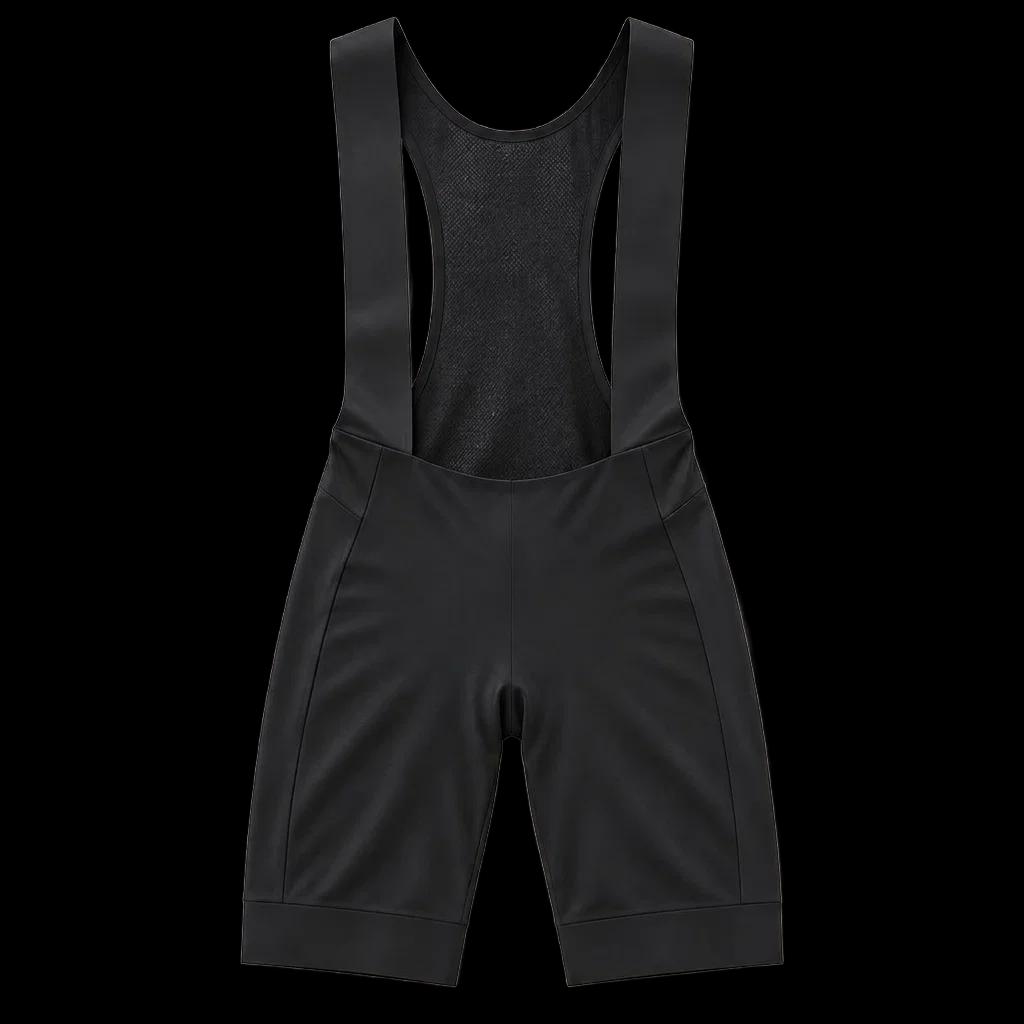
Cycling garments carry the most specialized construction in the category. The chamois pad in bib shorts is graded by foam density and thickness for use duration (a short commute pad differs from a century-ride pad), and panels are cut and seamed specifically to sit flat in a riding position rather than a standing one — a pattern that does not transfer from general activewear blocks.

Questions

Affordable-tier technical fabric with a clean stitched finish (China, 300–500 unit run) lands around $7–12; premium fabric with softer hand-feel and upgraded trims runs $15–24; luxury-tier specialist technical fabric with bonded details runs $28–45. The jump between tiers is driven by yarn quality and finishing, not garment complexity.

100 × Premium · Cream

$2,875

SHOPPING BAG

(0 items)