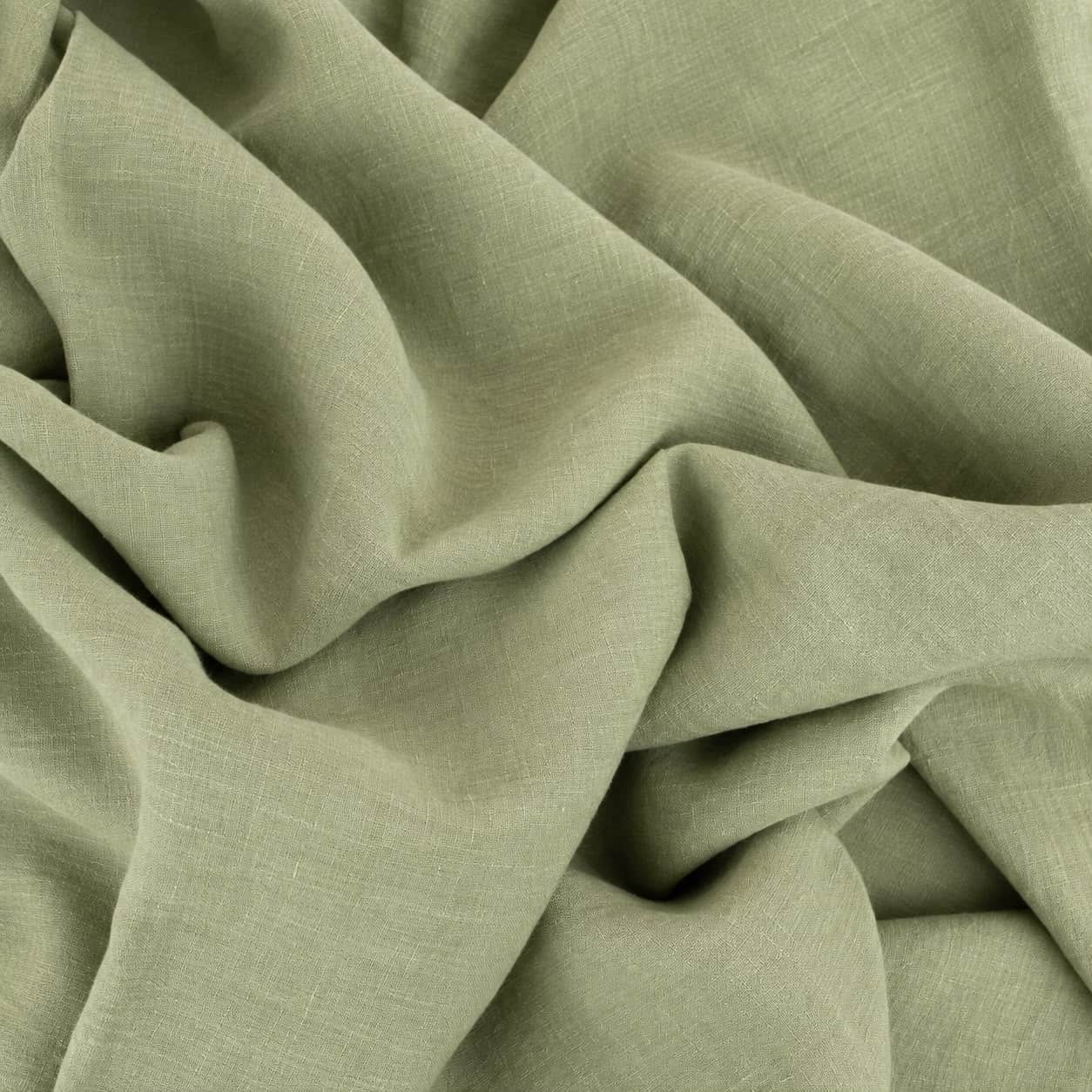
Black Tailored Trousers

PANTS · tailored fit · Stretch Cotton Twill
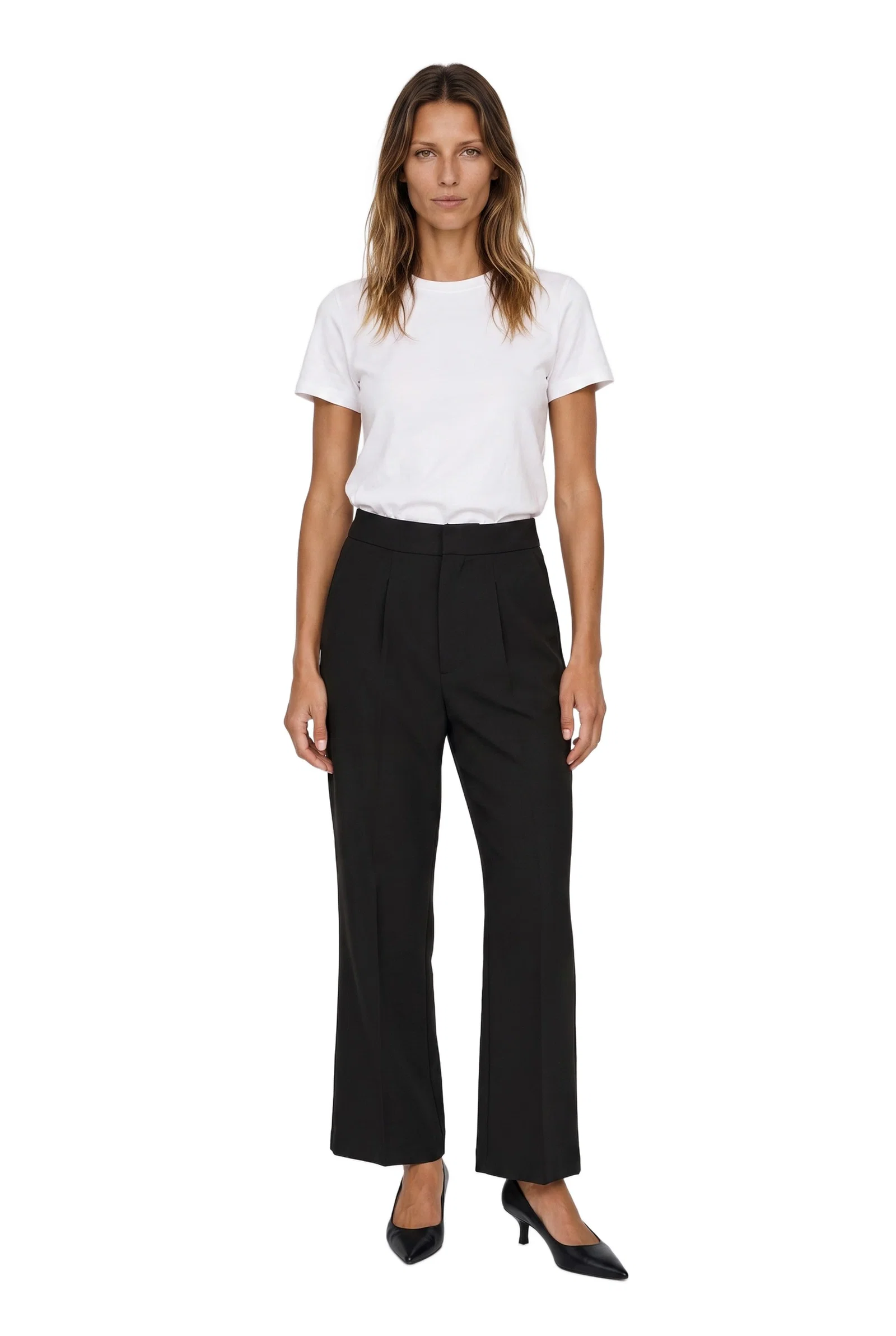
Black Tailored Trousers, modelModel
GradePer unit at 100
ColourBlack
QuantityUnder 50, a $180 development fee applies

Add 200 more to pay $39.39 / unit.

Size run ·
Customise

Gabi designs your changes in the Studio, then you order the finished piece. ORDER below makes it as shown.

Delivery
Lead time confirmed with your orderShipping is priced at checkout from your address.
Premium · Black × 100$45.30 / unit
ShippingAt checkout
Total, before shipping$4,530
Get a team quote

What's included at $45.30

  • Black Tailored Trousers, Premium grade (Stretch Cotton Twill)
  • Made to order in Black
  • Your size run, as set above
  • Replaced if anything arrives faulty

Shipping is priced at checkout from your address.

Make it yours

Your logo on the chest, a woven label, a back print, a colour from your brand book: Gabi designs the changes with you in the Studio and prices the finished piece before you order it. Your logo file goes on as you supply it.
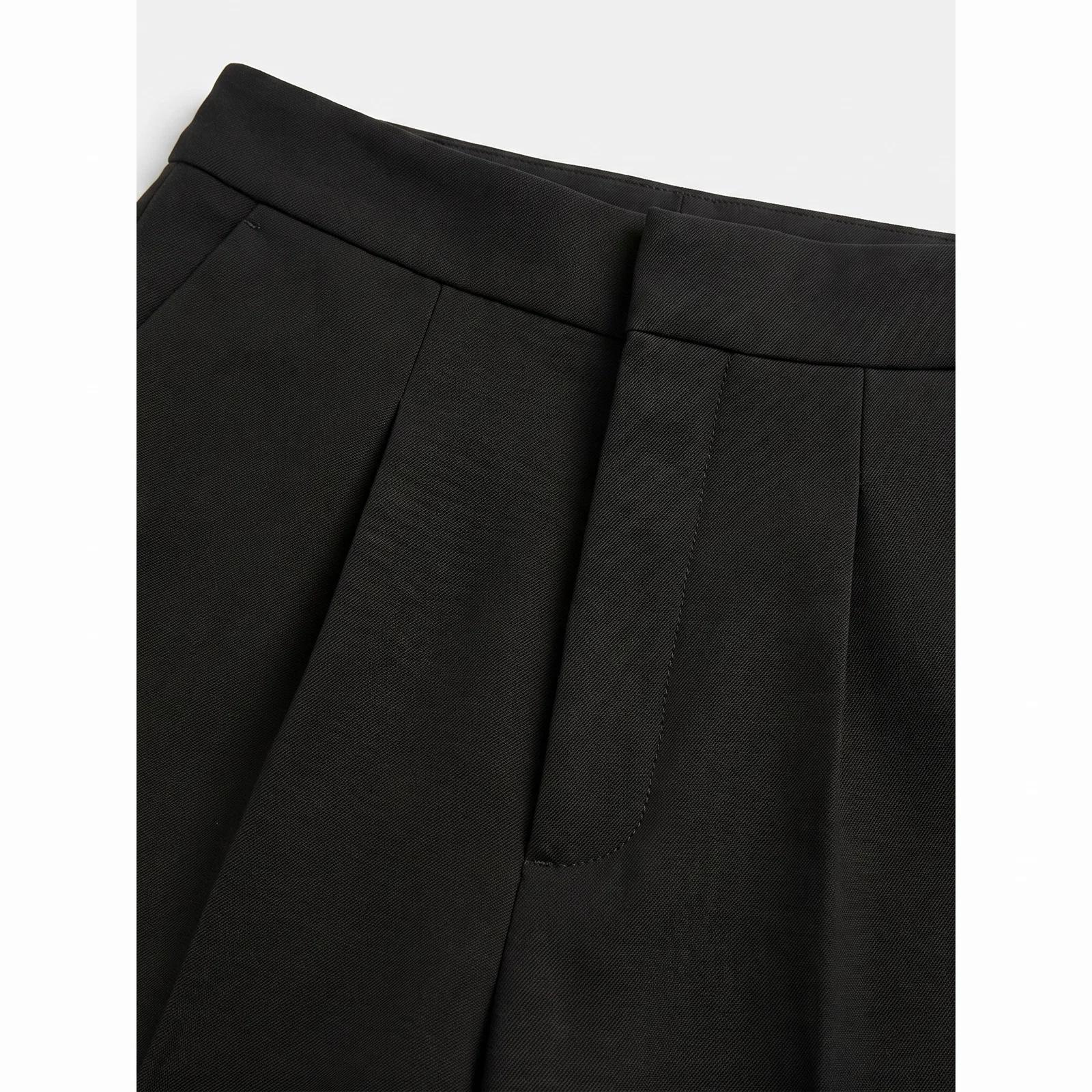
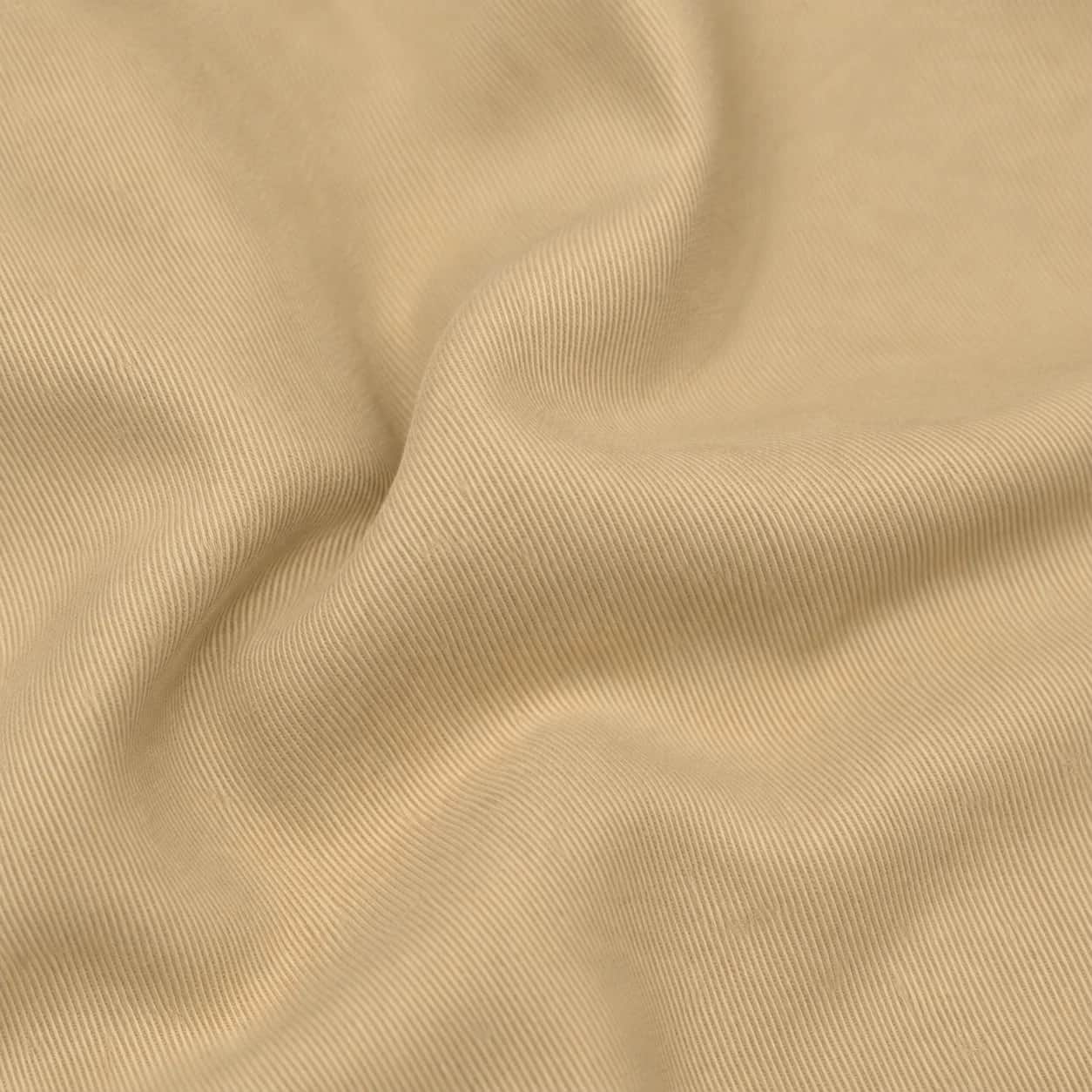
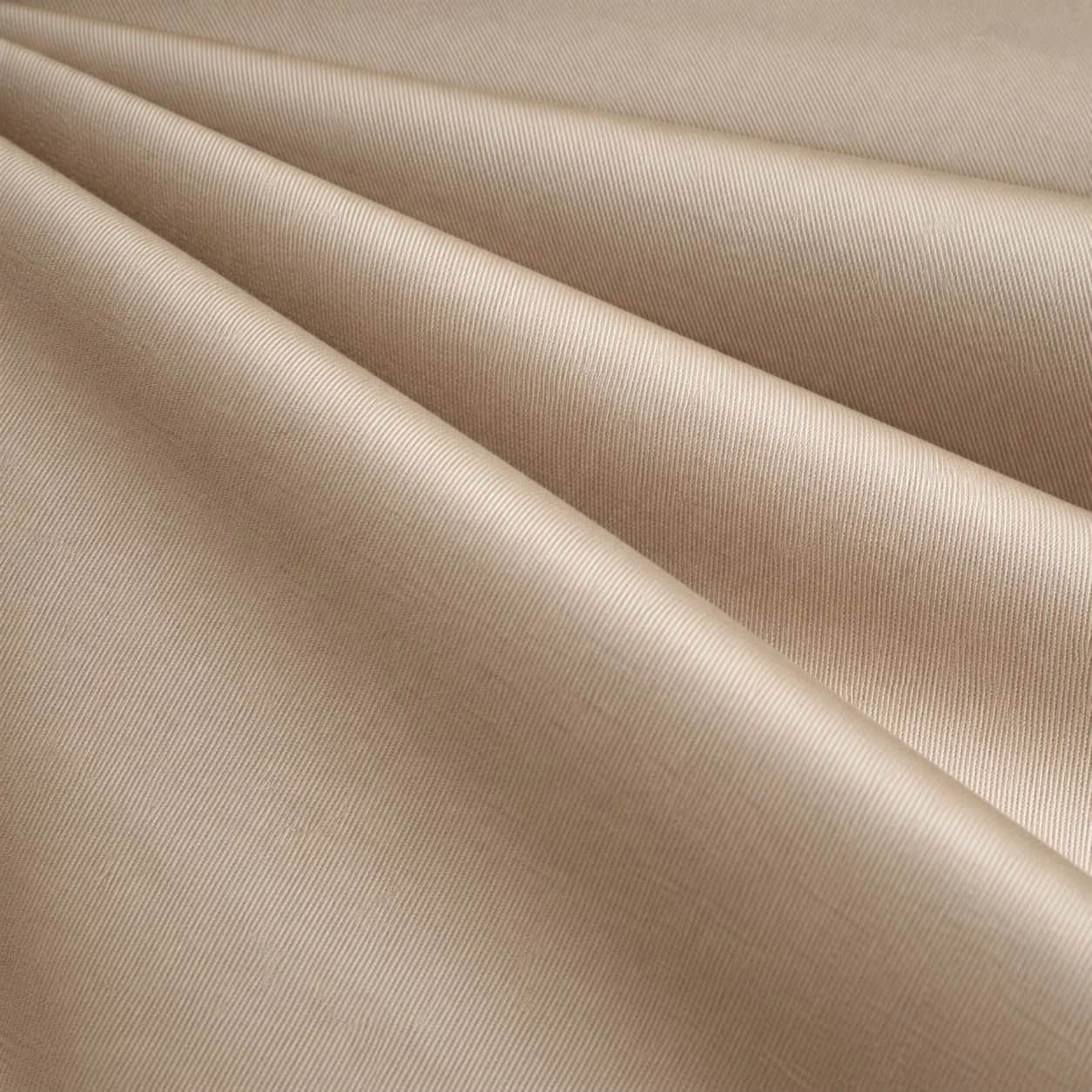
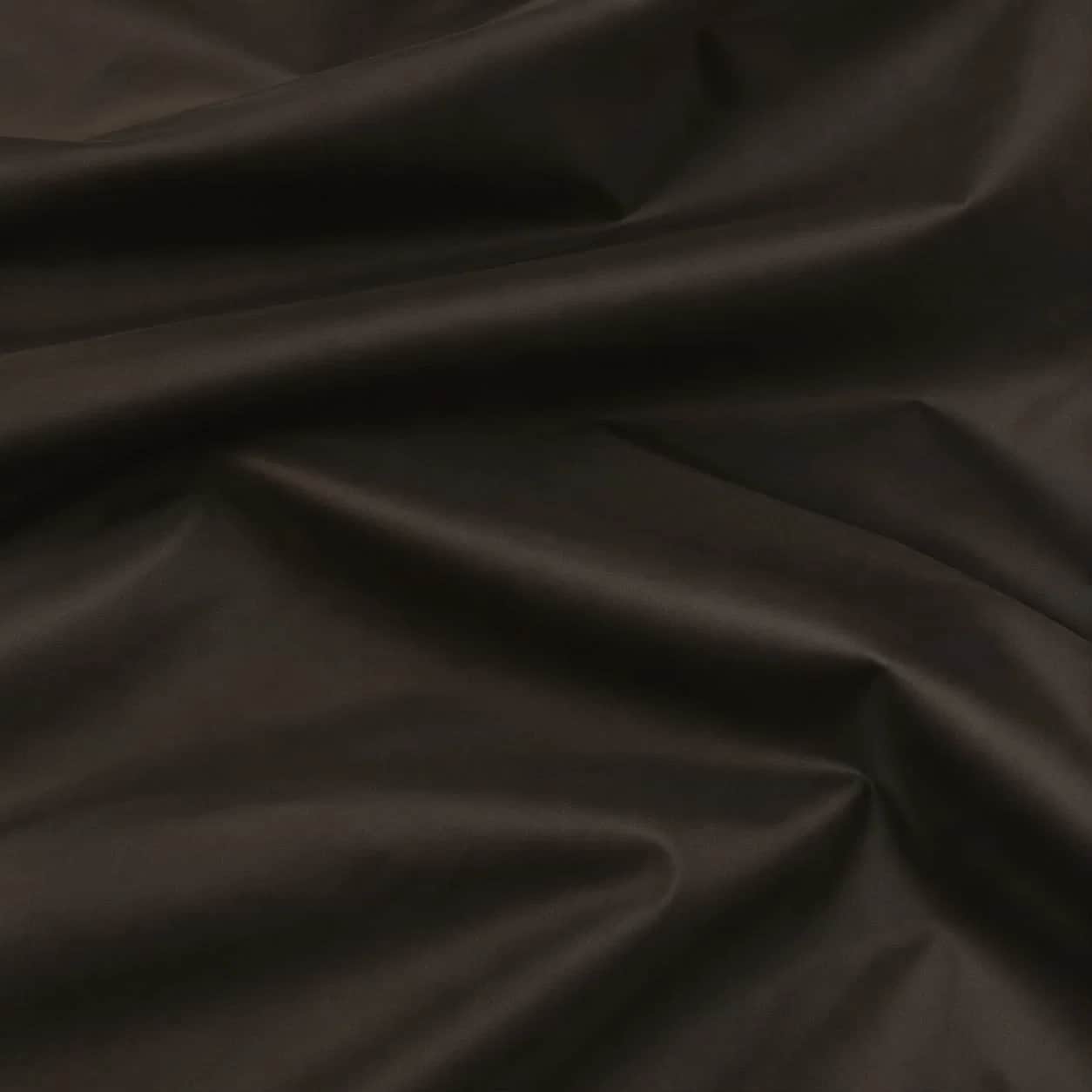
Black Tailored Trousers, close-upClose-upFabric and finish
Replaced if faultyMade to order, so no change-of-mind returns. Anything that arrives damaged or defective, we make right.
Try one firstOne unit in Premium, made like the run, through the same checkout.

These black trousers have a fitted high waist and hip that releases into a flare beginning at the knee, ending in a cropped, straight hem above the ankle. A concealed zip fly with a metal hook-and-bar closes the clean waistband, while a single front pleat on each leg and back waist darts shape the twill.

Specs

GradePremium, Stretch Cotton Twill
Main Fabric98% Cotton / 2% Elastane, 260gsm
Pocketing65% Recycled Polyester / 35% Cotton
FitTailored
SilhouetteFlared trousers
LengthCropped
HemStraight
ClosureConcealed #3 nylon coil zipper with metal hook-and-bar at waistband
CareMachine wash at 30°C on a gentle cycle, Do not bleach, Do not tumble dry
Minimum order50 units

Size guide

cmXXSXSSMLXLXXL
Waist30323436384042
Hips42444648505254

The garment measured flat: compare it with one you own.

Encyclopedia

Dockers launched in 1986 with a single TV campaign that told American men it was okay to wear cotton trousers to the office.

In five years the Dockers Docker was the biggest-selling trouser in the United States. In ten years, casual Friday was global. The silhouette never changed: two legs, a waistband, four pockets. The difference between a $30 chino and a $300 one is entirely in the fabric, the waistband construction, and whether anyone pressed the back crease properly.

Read the story

Fabrics

Encyclopedia

The story of the Black Tailored Trousers

Dockers launched in 1986 with a single TV campaign that told American men it was okay to wear cotton trousers to the office. In five years the Dockers Docker was the biggest-selling trouser in the United States. In ten years, casual Friday was global. The silhouette never changed: two legs, a waistband, four pockets. The difference between a $30 chino and a $300 one is entirely in the fabric, the waistband construction, and whether anyone pressed the back crease properly.

1986Office breakthroughDockers repositioned cotton trousers for business-casual office wear
$60–150Commercial coreThe main market sits in accessible cotton/elastane chino pricing
1–4%Fabric trendElastane became the default stretch range across the market

The Chino — "The Trouser That Conquered the Office"

The word chino derives from the Spanish term for Chinese — a reference to the cotton twill that was woven in China for British and American military uniforms in the late 19th century. British troops in India wore khaki cotton trousers from the 1840s: breathable, durable, and sand-coloured enough to provide camouflage in desert conditions. By the time American forces adopted khaki cotton in the early 20th century, the military utility of the fabric was established. After World War Two, surplus military chinos entered the civilian wardrobe and became the defining casual trouser of the American GI generation.

The Ivy League collegiate adoption of the khaki chino in the 1950s gave the garment a second set of cultural associations: academia, American preppy style, and the informal register below the business suit. The chino became simultaneously working-class surplus and elite collegiate uniform — a contradiction that gave it unusual cultural range. In the 1960s and 1970s, as American casual dress expanded, the chino moved from specific cultural contexts into general circulation.

Dockers changed everything in 1986. The brand — a division of Levi Strauss & Co — launched with a television campaign explicitly positioning the cotton khaki trouser as appropriate for the business-casual office. The timing was exact: casual Friday was beginning to spread through American workplaces, and employers and employees alike were looking for permission to shed the formal suit. Dockers provided that permission and captured the resulting market with a single, clean silhouette. Within five years, the Docker had become the largest-selling trouser in the United States.

The tailored trouser has a longer history rooted in English tailoring. The formal trouser — cut in fine wool worsted, with a full canvas waistband, knee lining, and hand-finished details — predates the lounge suit. Savile Row established the specifications for the formal dress trouser in the 19th century, and those specifications have remained largely unchanged: a precisely cut seat and thigh, a flat-front or single-pleat waist, back welt pockets with knife-edge finishes, and a centre crease pressed from waistband to hem.

The contemporary market spans from $20 fast-fashion chinos to $800 Savile Row trousers, with the commercial core at $60–150 — the Uniqlo, J.Crew, COS, and Arket price point where cotton/elastane twill, clean construction, and accessible sizing dominate. Stretch has been the defining trend: 1–4% elastane in the woven fabric allows slimmer cuts without sacrificing comfort, and has become the default specification at every tier from affordable to premium.

Technical stretch trousers — in nylon or polyester four-way stretch fabrics — represent the newest category, blurring the boundary between chino and activewear. Brands including Outlier, Ministry of Supply, and Bluffworks have built entire product ranges on the proposition that a technical stretch trouser can function simultaneously as performance and office wear. The category has grown significantly since 2020 as hybrid working environments normalised more relaxed dress codes.

Questions

6203 for men's and unisex woven trousers, 6204 for women's. Knit trousers use 6103/6104. Classification is based on woven construction regardless of fabric content.

100 × Premium · Black

$4,530

SHOPPING BAG

(0 items)