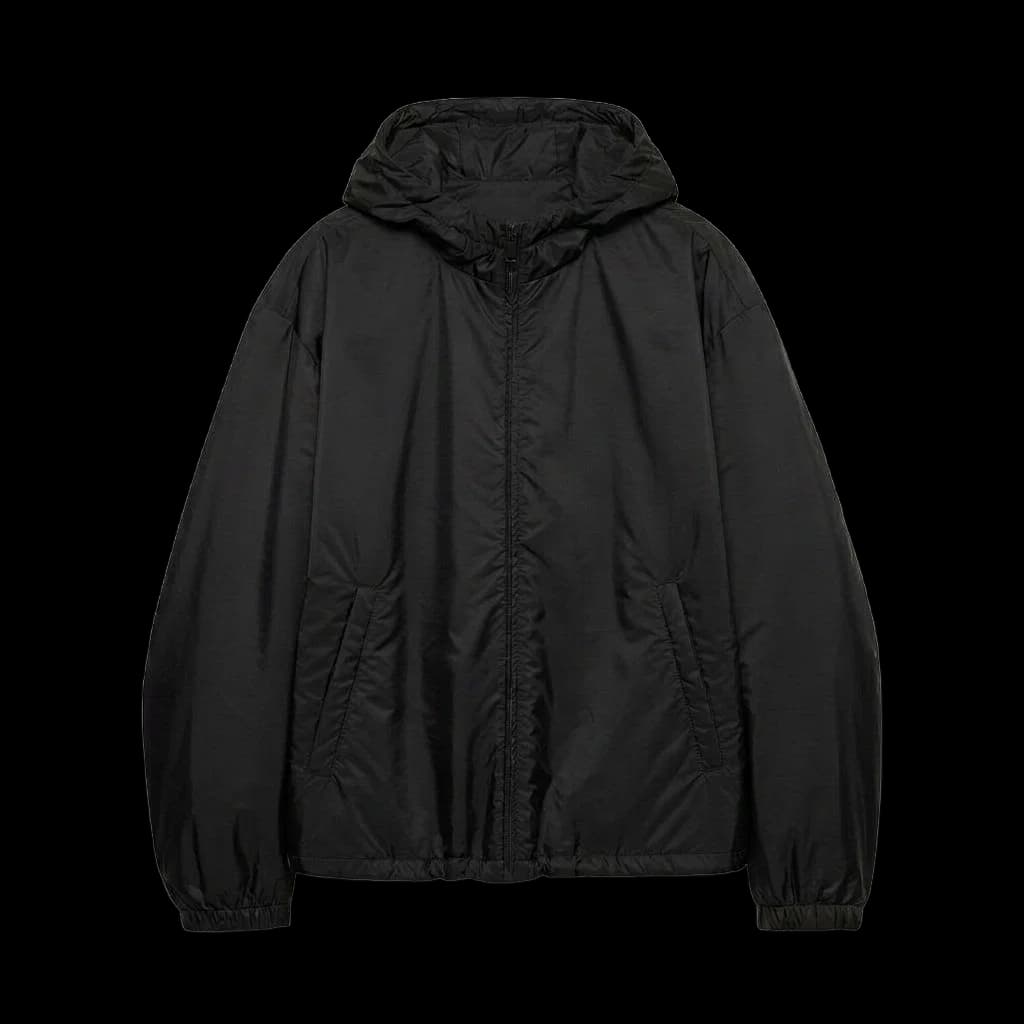
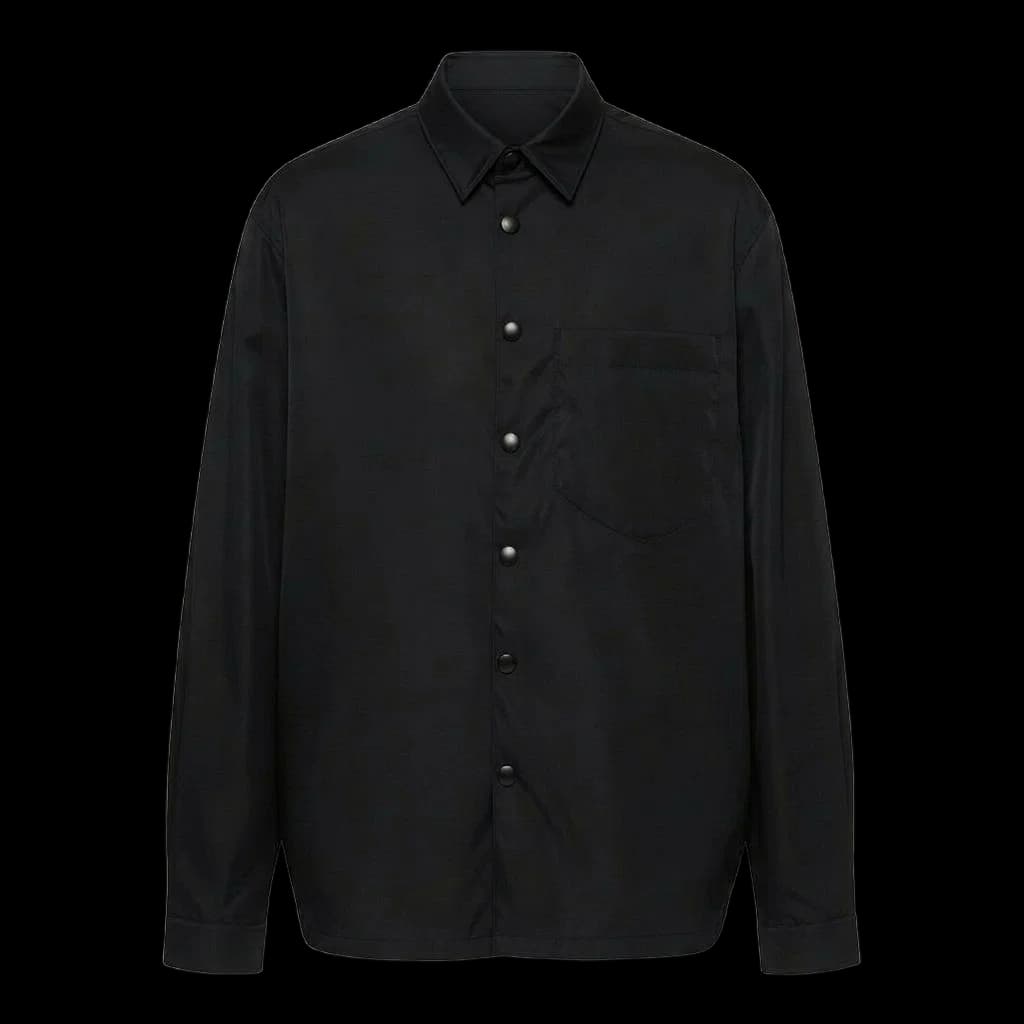
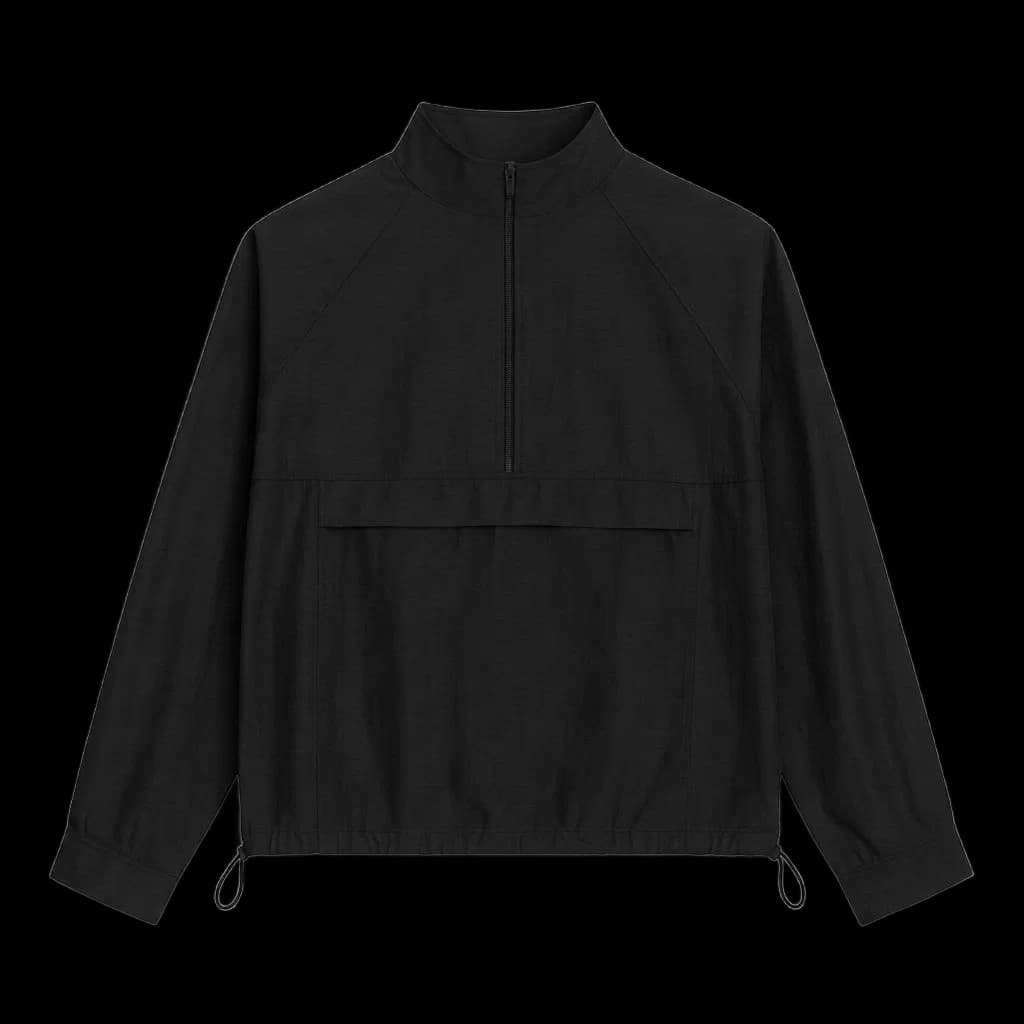
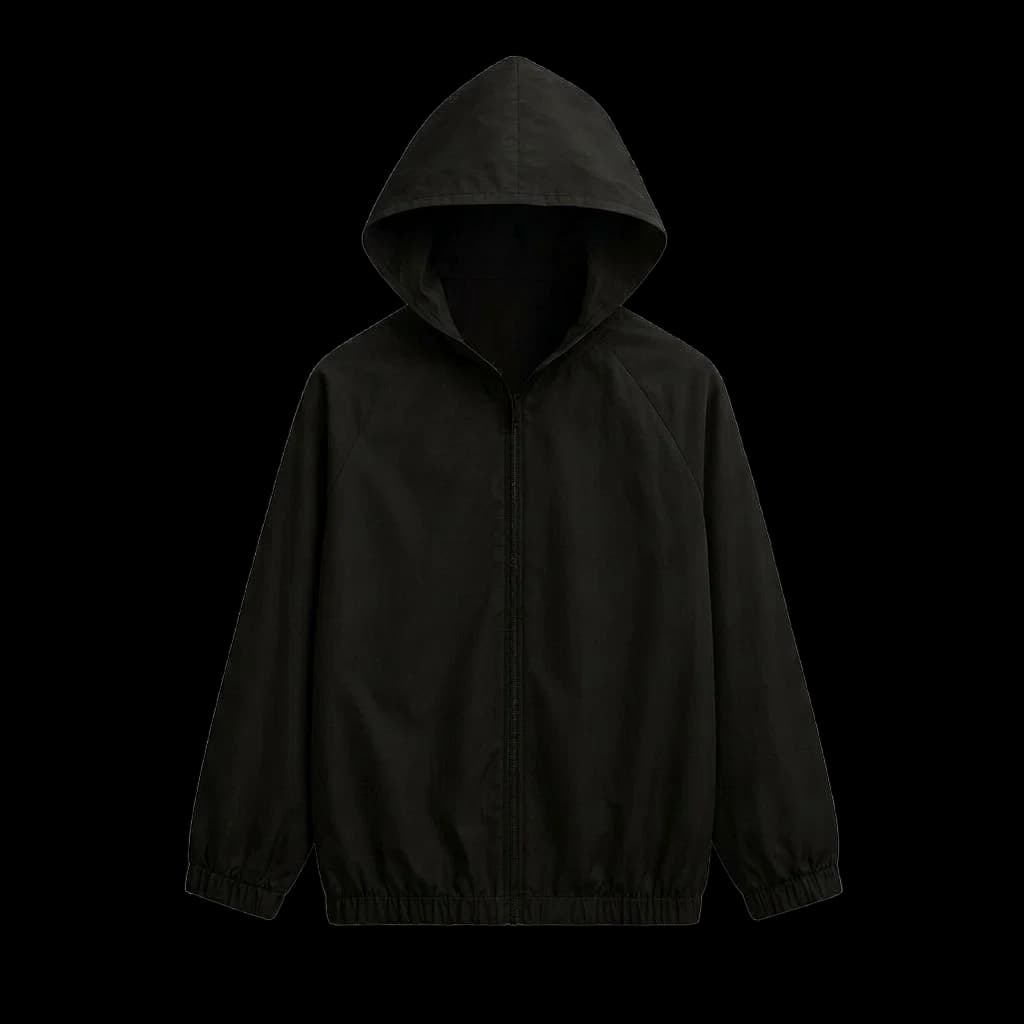
Sleeveless Shift Dress

Nylon · relaxed fit · 100% Cotton
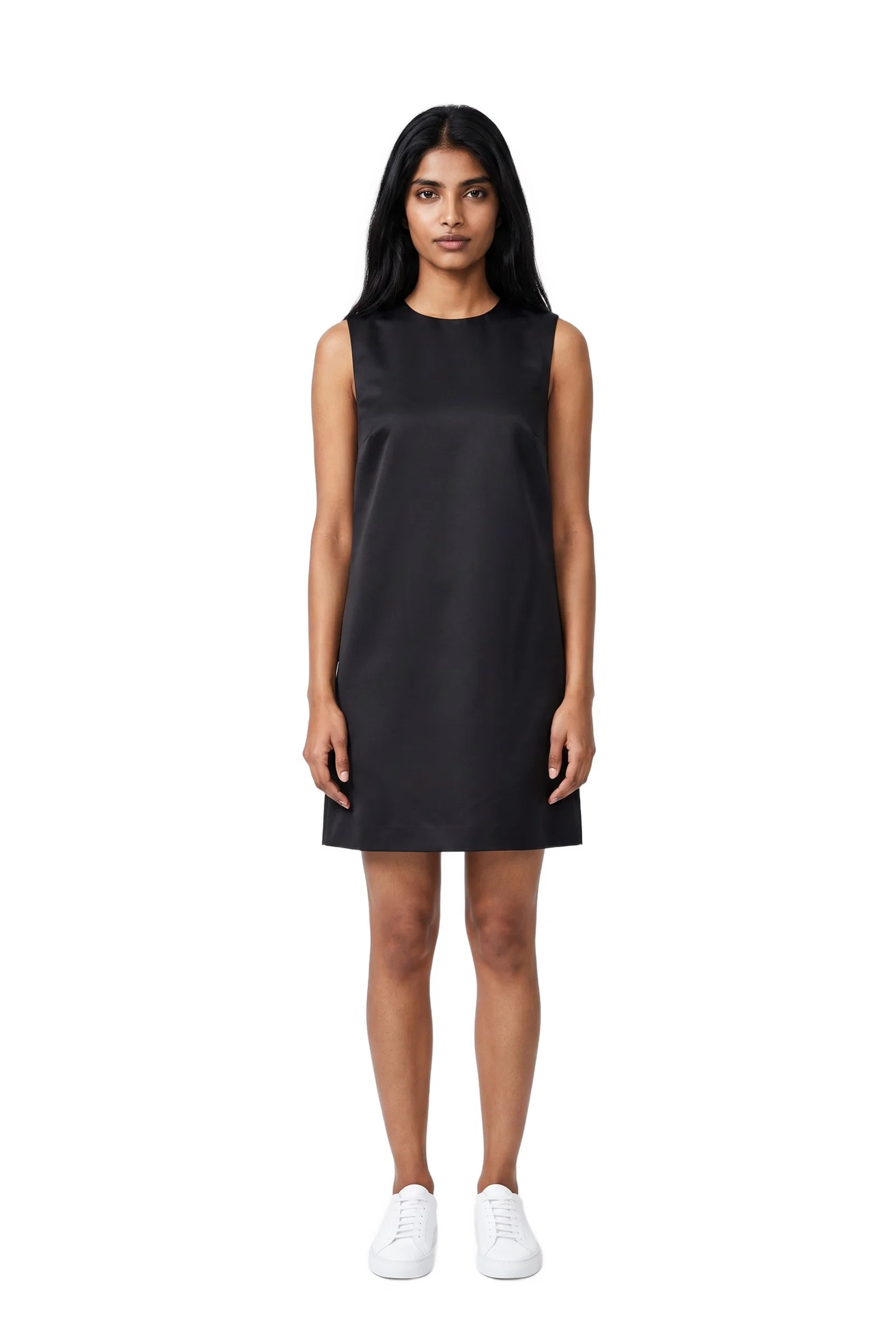
Sleeveless Shift Dress, modelModel
GradePer unit at 100
ColourBlack
QuantityUnder 50, a $140 development fee applies

Add 200 more to pay $31.06 / unit.

Size run ·
Customise

Gabi designs your changes in the Studio, then you order the finished piece. ORDER below makes it as shown.

Delivery
Lead time confirmed with your orderShipping is priced at checkout from your address.
Premium · Black × 100$35.72 / unit
ShippingAt checkout
Total, before shipping$3,572
Get a team quote

What's included at $35.72

  • Sleeveless Shift Dress, Premium grade (100% Cotton)
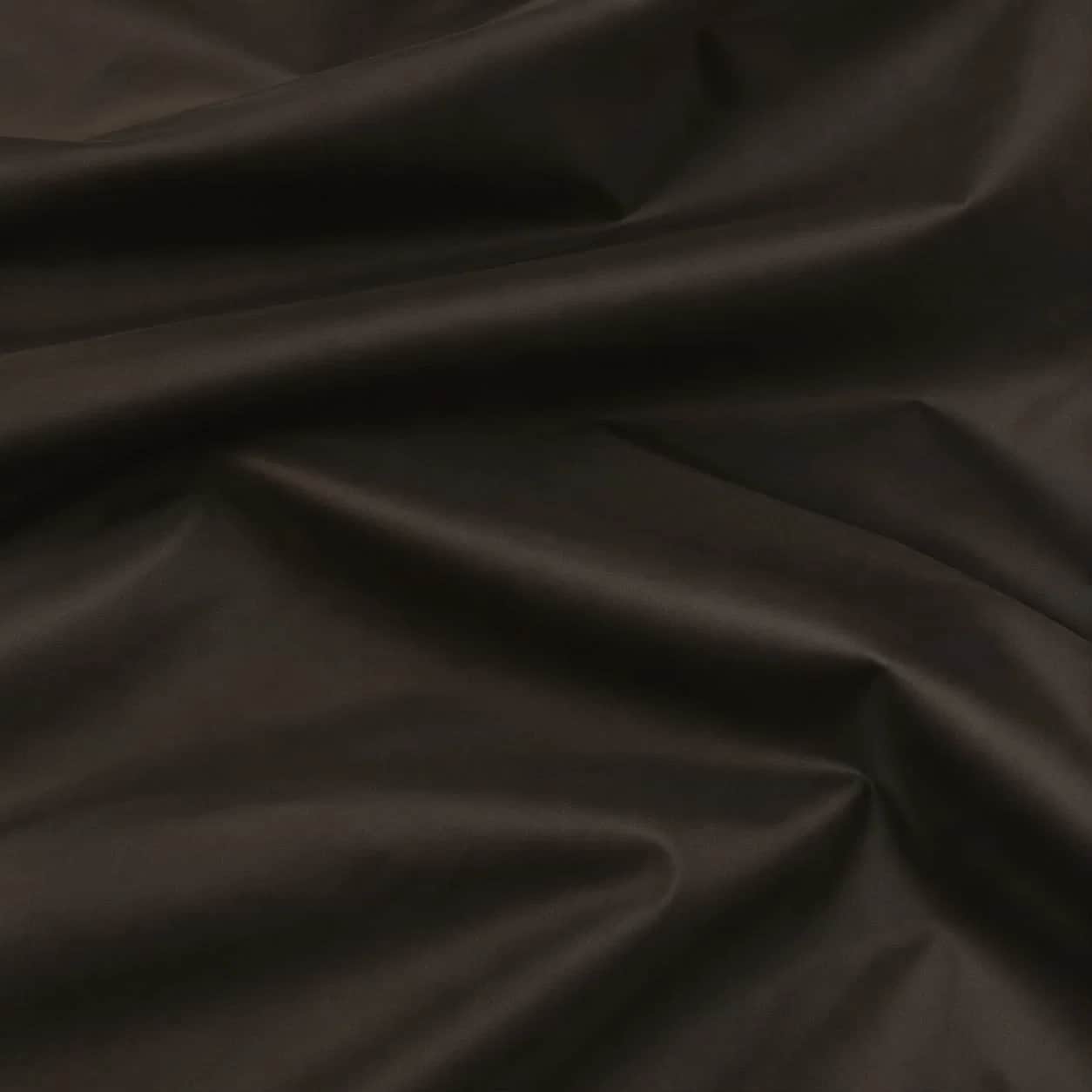
  • Made to order in Black
  • Your size run, as set above
  • Replaced if anything arrives faulty

Shipping is priced at checkout from your address.

Make it yours

Your logo on the chest, a woven label, a back print, a colour from your brand book: Gabi designs the changes with you in the Studio and prices the finished piece before you order it. Your logo file goes on as you supply it.
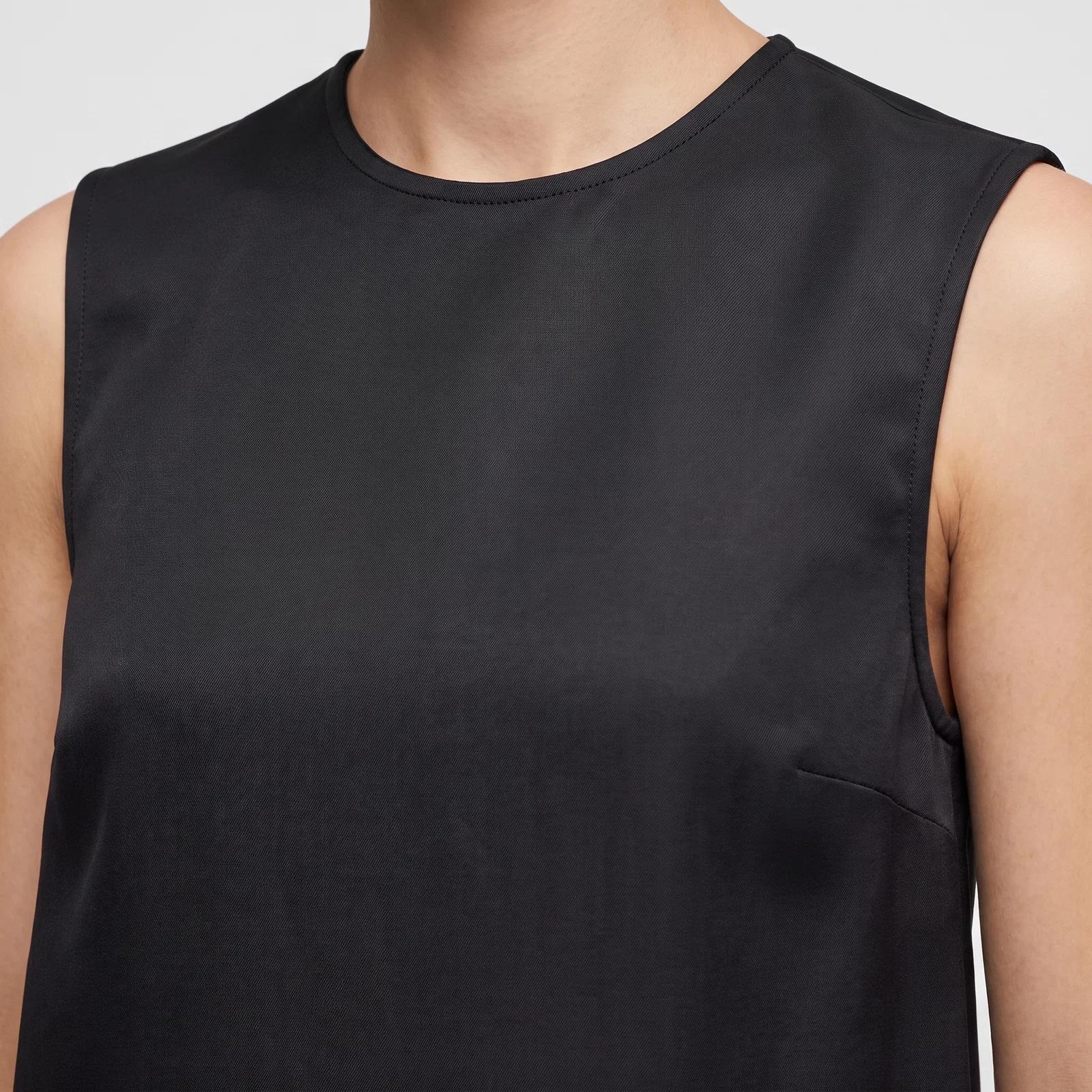
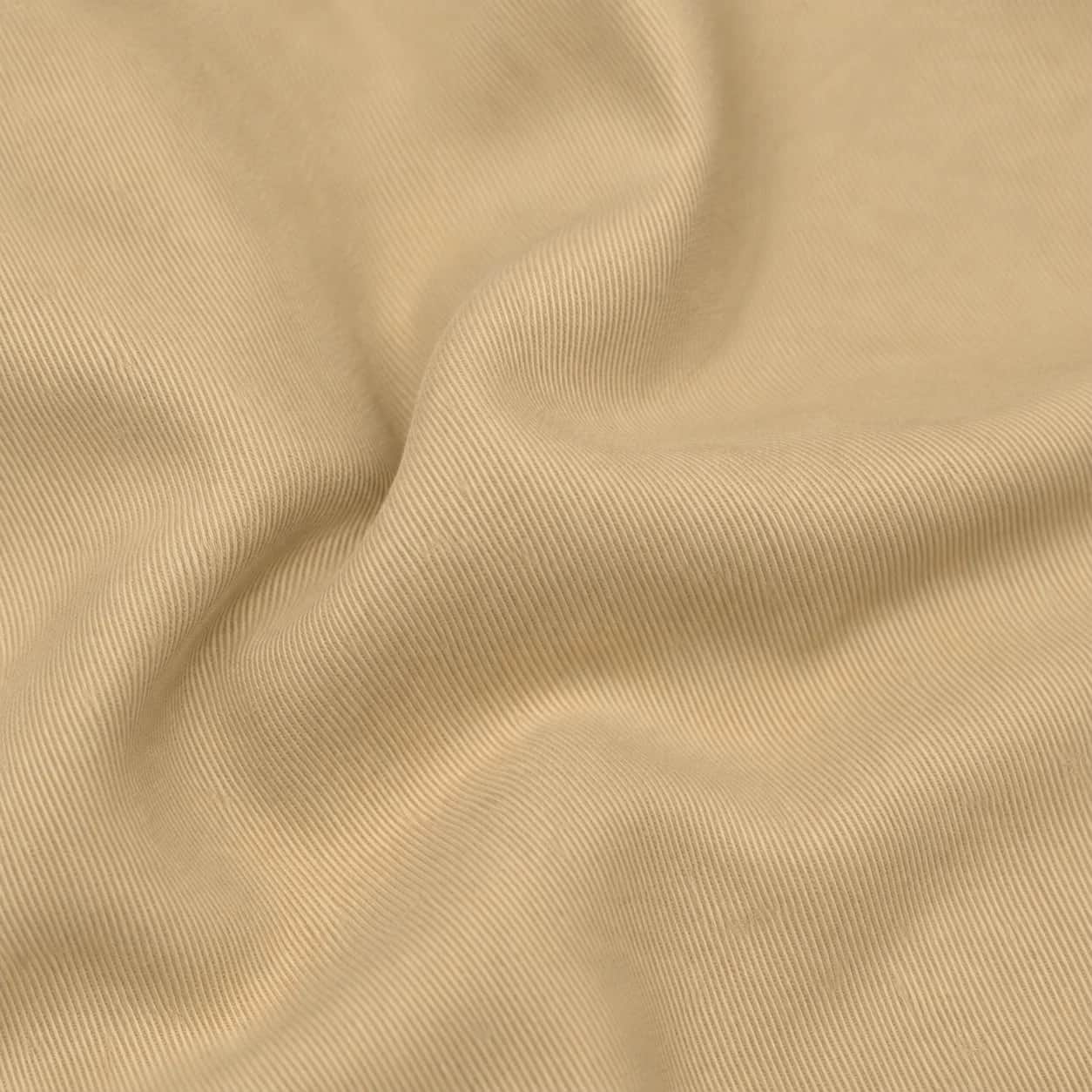
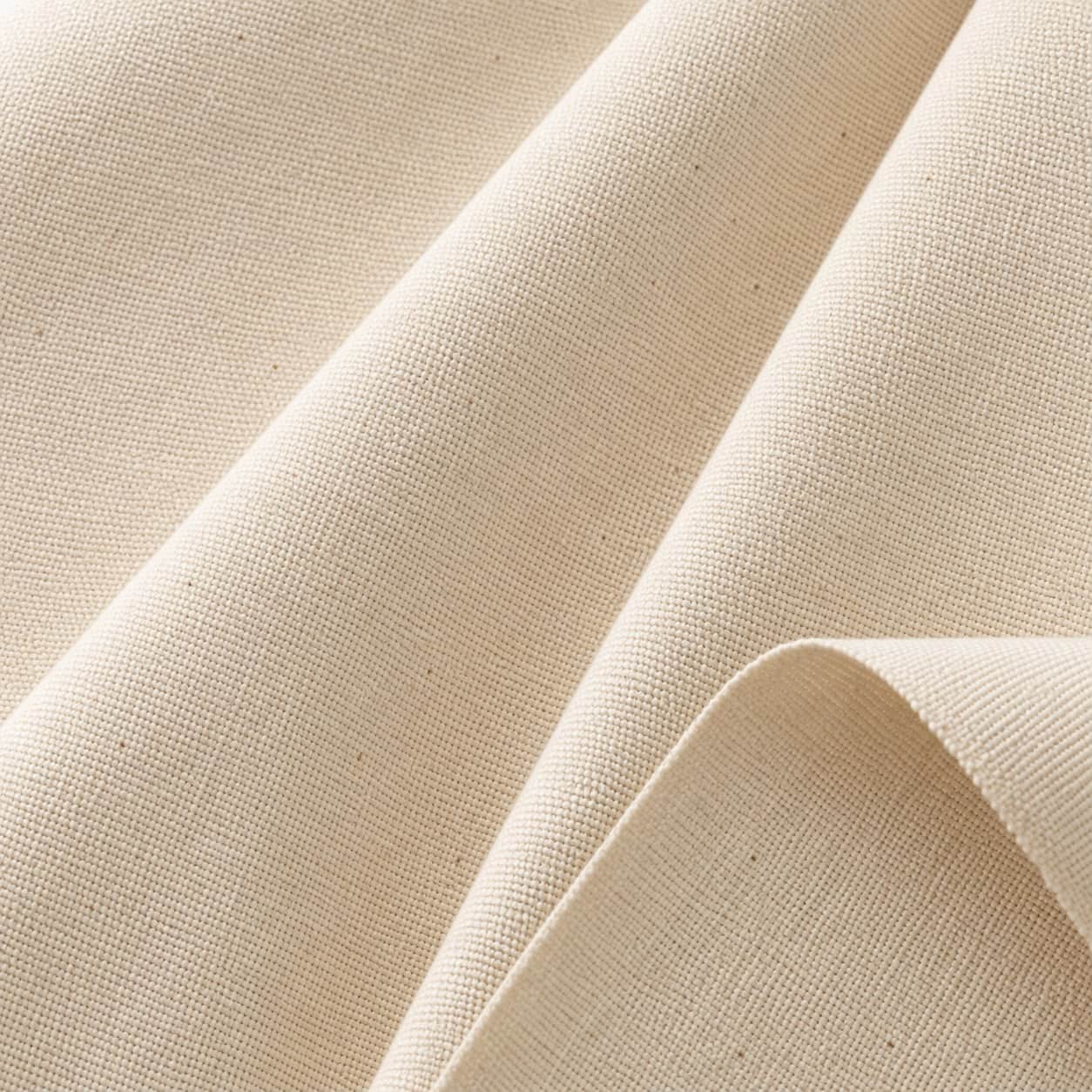
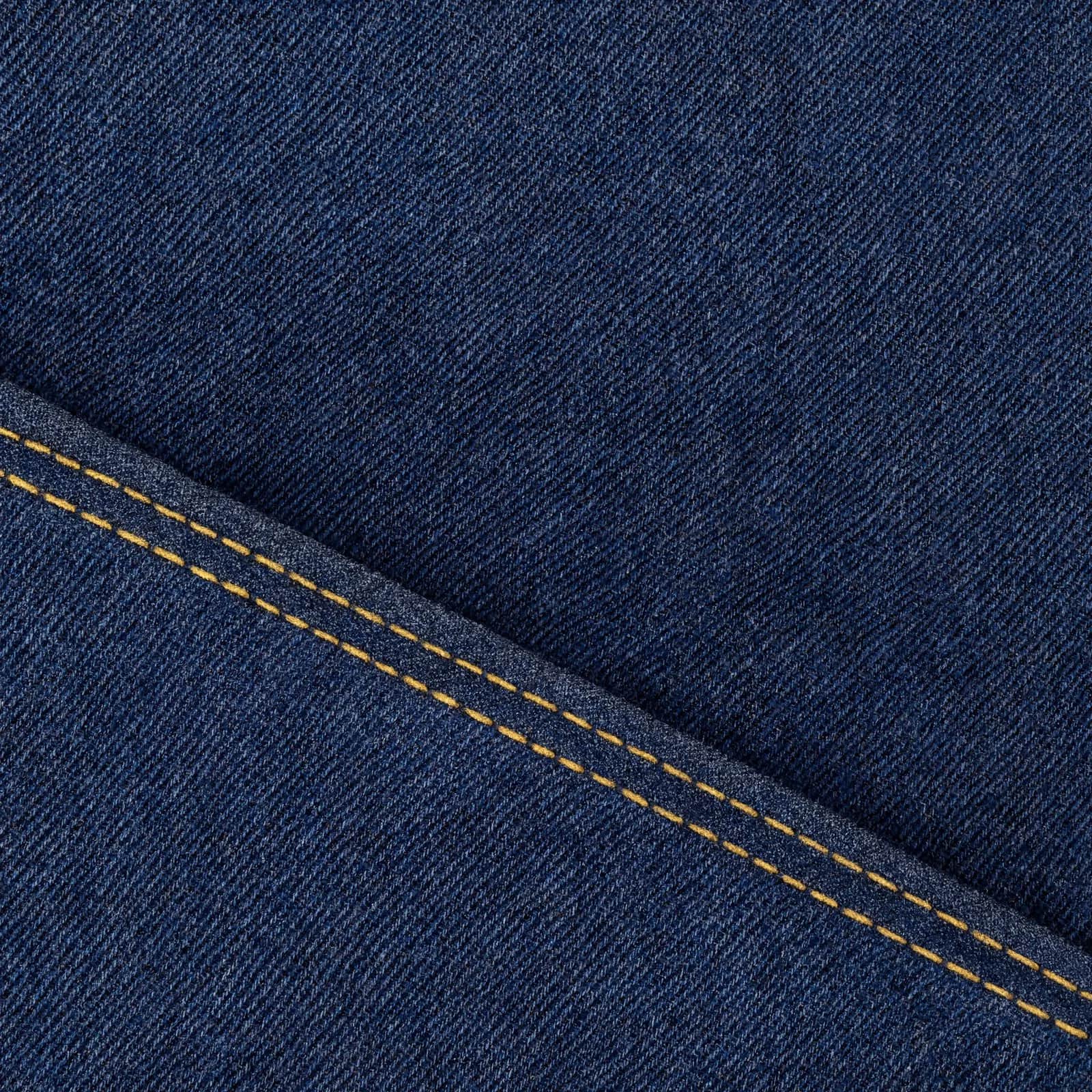
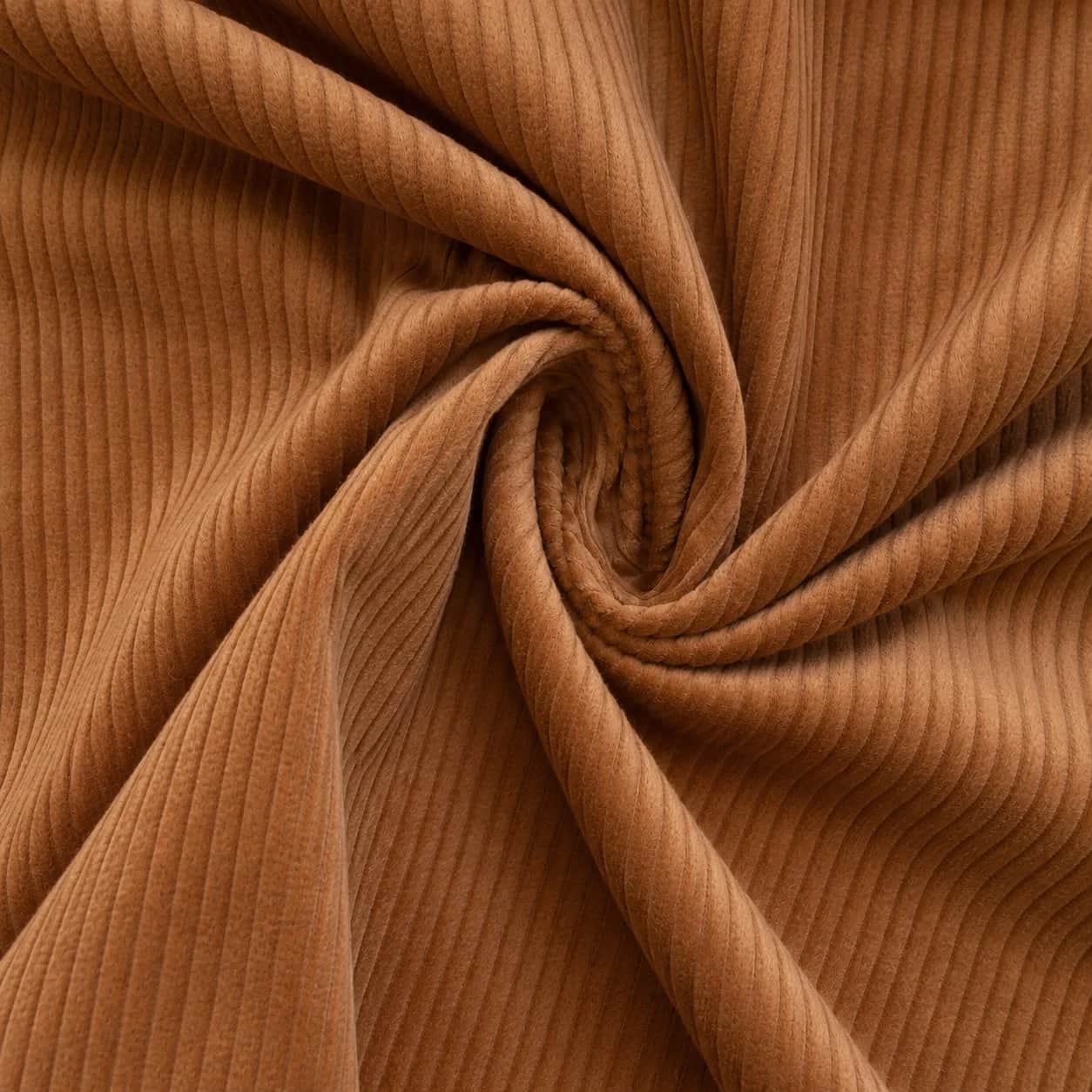
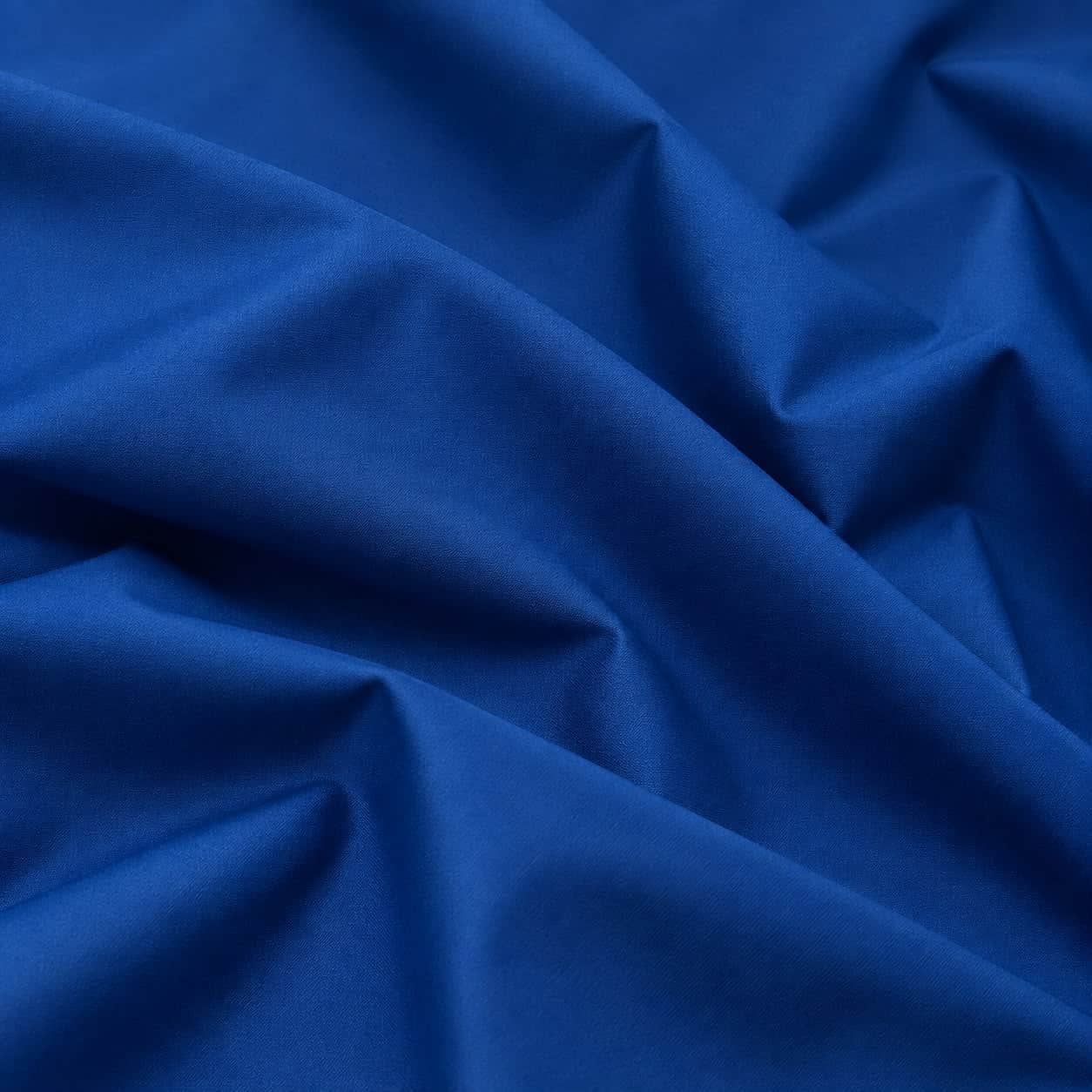
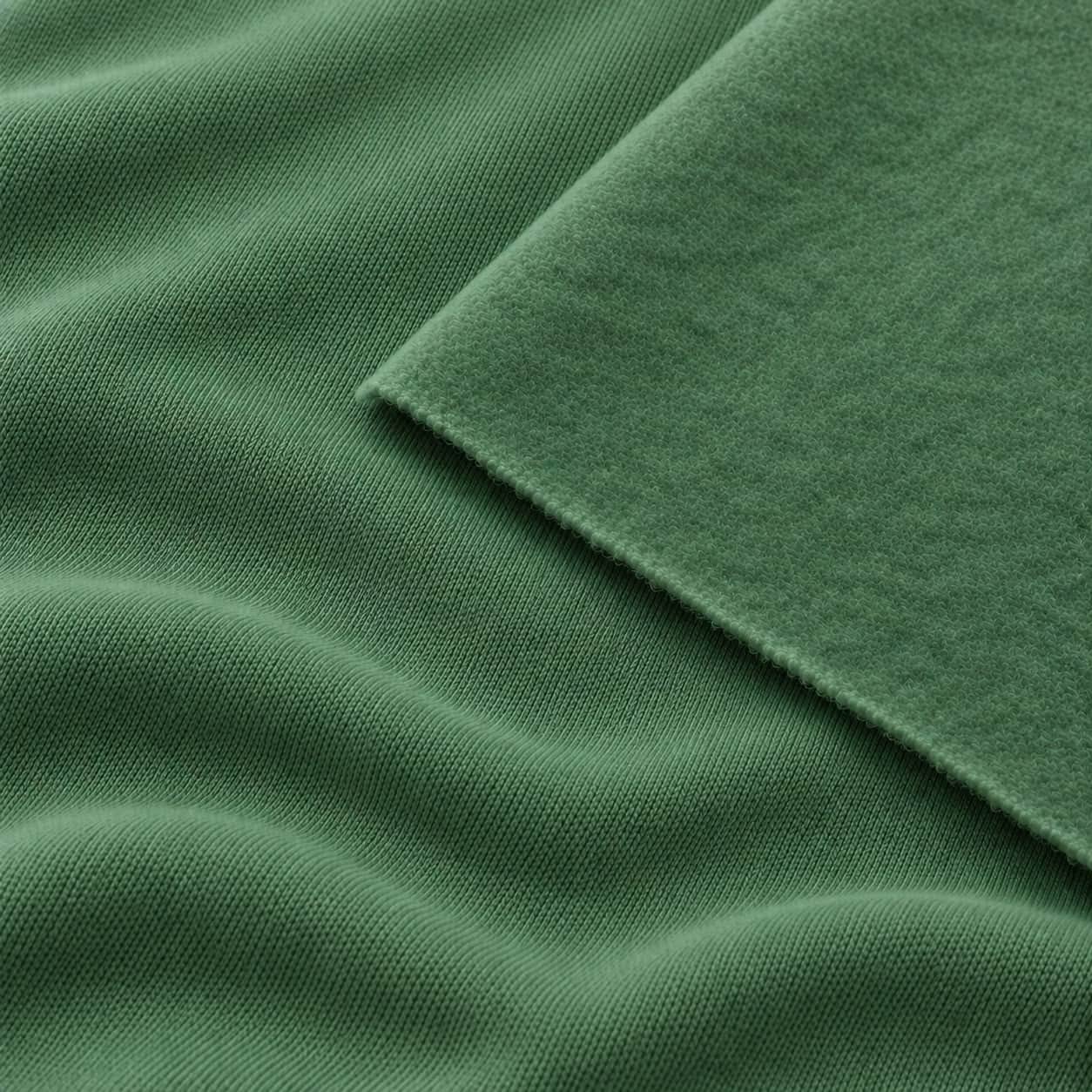
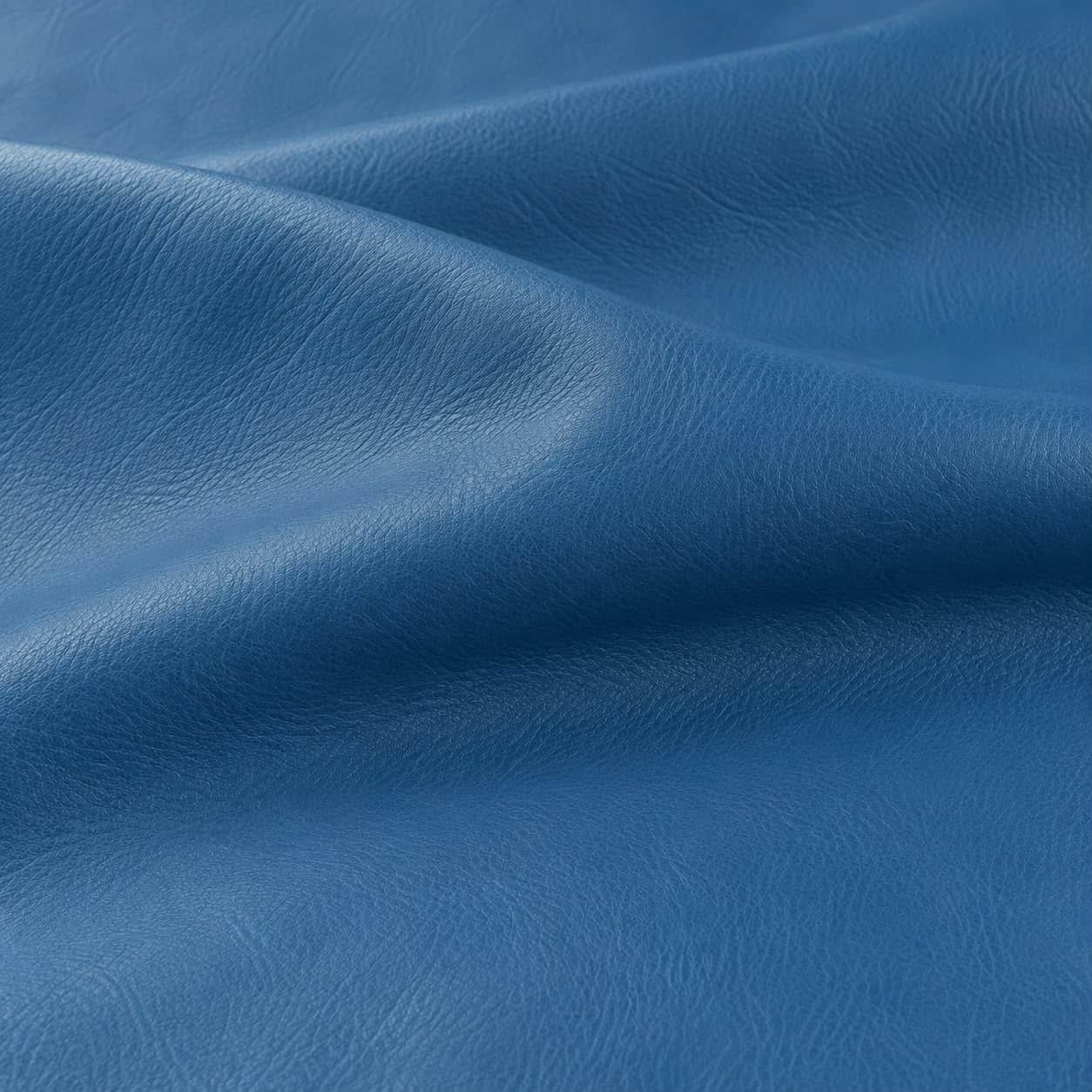
Sleeveless Shift Dress, close-upClose-upFabric and finish
Replaced if faultyMade to order, so no change-of-mind returns. Anything that arrives damaged or defective, we make right.
Try one firstOne unit in Premium, made like the run, through the same checkout.

This mini dress has a shift silhouette that widens into a slight A-line toward the hem, falling straight from the shoulders without a defined waist. The high round neckline and sleeveless armholes are finished with a clean bound edge, while a concealed zipper runs down the center back. A straight hem with side slits completes the shape, shown here in black.

Specs

GradePremium, 100% Cotton
Main Fabric100% Cotton, 230gsm
Lining100% Recycled Polyester
FitRelaxed
SilhouetteShift
LengthMini
NecklineHigh round neck, bagged out with lining
SleeveSleeveless, bagged out with lining
HemStraight with side slits
ClosureConcealed invisible zipper at center back, approximately 50cm length, with hook and eye closure at top neck edge.
CareMachine wash at 30°C on a gentle cycle, Do not bleach, Tumble dry on low heat
Minimum order50 units

Size guide

cmXXSXSSMLXLXXL
Bust40424446485052
Waist42444648505254
Hips46485052545658
Length80.58283.58586.58889.5

The garment measured flat: compare it with one you own.

Encyclopedia

The story of the nylon.

The cut, the cloth and how the nylon is made.

Read the story

Fabrics

Encyclopedia

The story of the Sleeveless Shift Dress

7MUnits / yearTonnes of nylon are produced annually
$45B+Market valueCotton jersey only
1928Year foundedFirst dictionary Webster

In the late 1920s, DuPont's chemical director sent his executive committee a radical memo: stop investing in practical improvements to existing products and fund pure science instead. The result, a decade later, was nylon — the first synthetic fiber ever made, and one of the most consequential material discoveries of the twentieth century.

Wallace H. Carothers, a young organic chemistry lecturer lured away from Harvard, joined DuPont's new 'Purity Hall' research laboratory in 1928. He proposed to center his work on polymerization — the chemical process by which small molecules link into long-chain structures. On February 28, 1935, his team produced polyhexamethylene adipamide — nylon 66 — a polymer that could be drawn into strong, elastic threads unlike anything that had existed before. The name 'nylon' was not an acronym. It was simply a coined word, invented by DuPont's marketing team, for a synthetic and versatile material.

Nylon's public debut came at the 1939 World's Fair in New York, where DuPont unveiled nylon stockings as a revolution in women's fashion. On May 15, 1940 — 'N-Day' — nylon stockings went on sale nationwide. In the first year, 64 million pairs were sold. When demand outpaced supply, 'nylon riots' erupted at department stores across the country. Nothing like it had happened for a consumer product before.

Then came WWII, and nylon vanished from the shops overnight. DuPont's entire nylon output was redirected to the war effort: parachutes replacing silk, tent ropes, mosquito nets, tire cords. The Allied armed forces were quite literally held together by a polymer from a Delaware laboratory. When the war ended, nylon returned to civilian life carrying an unprecedented reputation — it had helped win a world war.

The story also has its tragedy. Wallace Carothers — the man who made it possible — never saw N-Day. Brilliant and profoundly depressive, he died by suicide in April 1937, two years before the product bearing his intellectual legacy reached the public. DuPont's nylon patent application had been filed just months before.

Today, 7 million tonnes of nylon are produced annually. It is in toothbrush bristles, guitar strings, surgical sutures, parachutes, car engine components, fishing lines, hosiery, activewear, technical outerwear, swimwear, and cargo pants. Its sustainability challenge — petroleum-derived and shedding microplastics in every wash — has triggered an innovation race producing some of the most genuinely interesting material science in fashion today.

Questions

A nylon garment uses polyamide fibre, valued for strength, light weight, abrasion resistance, and smooth technical handfeel.

100 × Premium · Black

$3,572

SHOPPING BAG

(0 items)