A-line Mini Skirt, Premium grade (100% Cotton Twill)
Made to order in Black
Your size run, as set above
Replaced if anything arrives faulty
Shipping is priced at checkout from your address.
Make it yours
Your logo on the chest, a woven label, a back print, a colour from your brand book: Gabi designs the changes with you in the Studio and prices the finished piece before you order it. Your logo file goes on as you supply it.
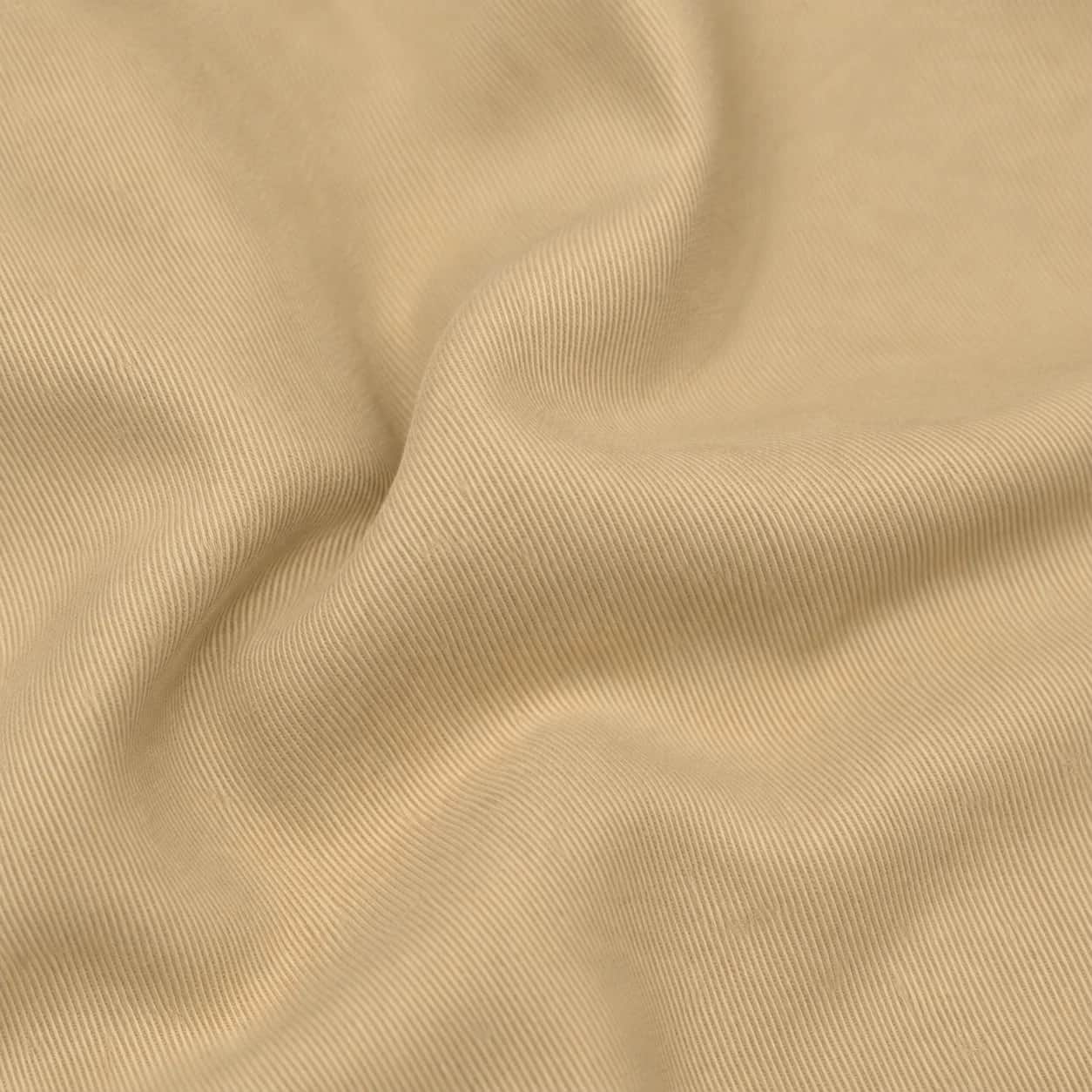
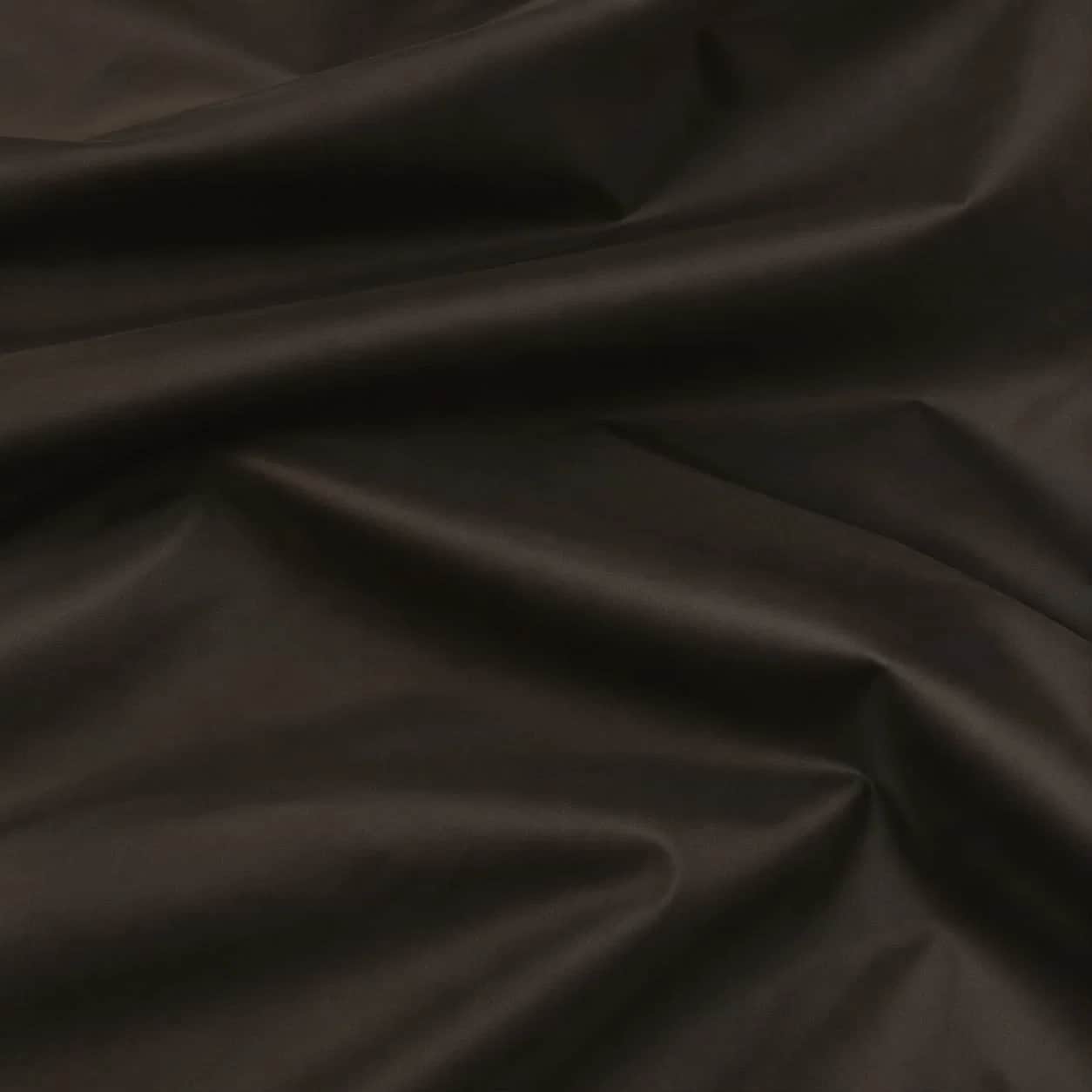
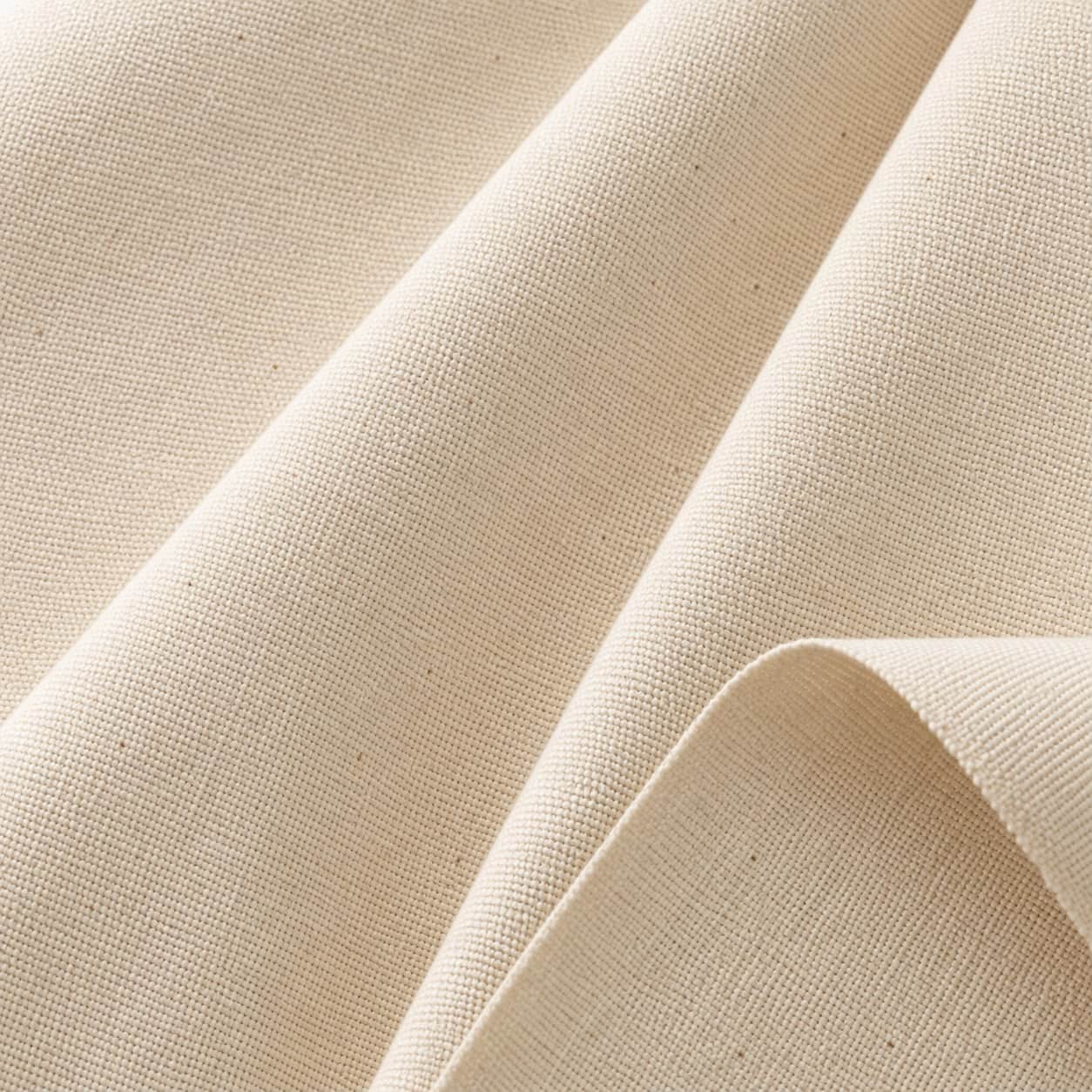
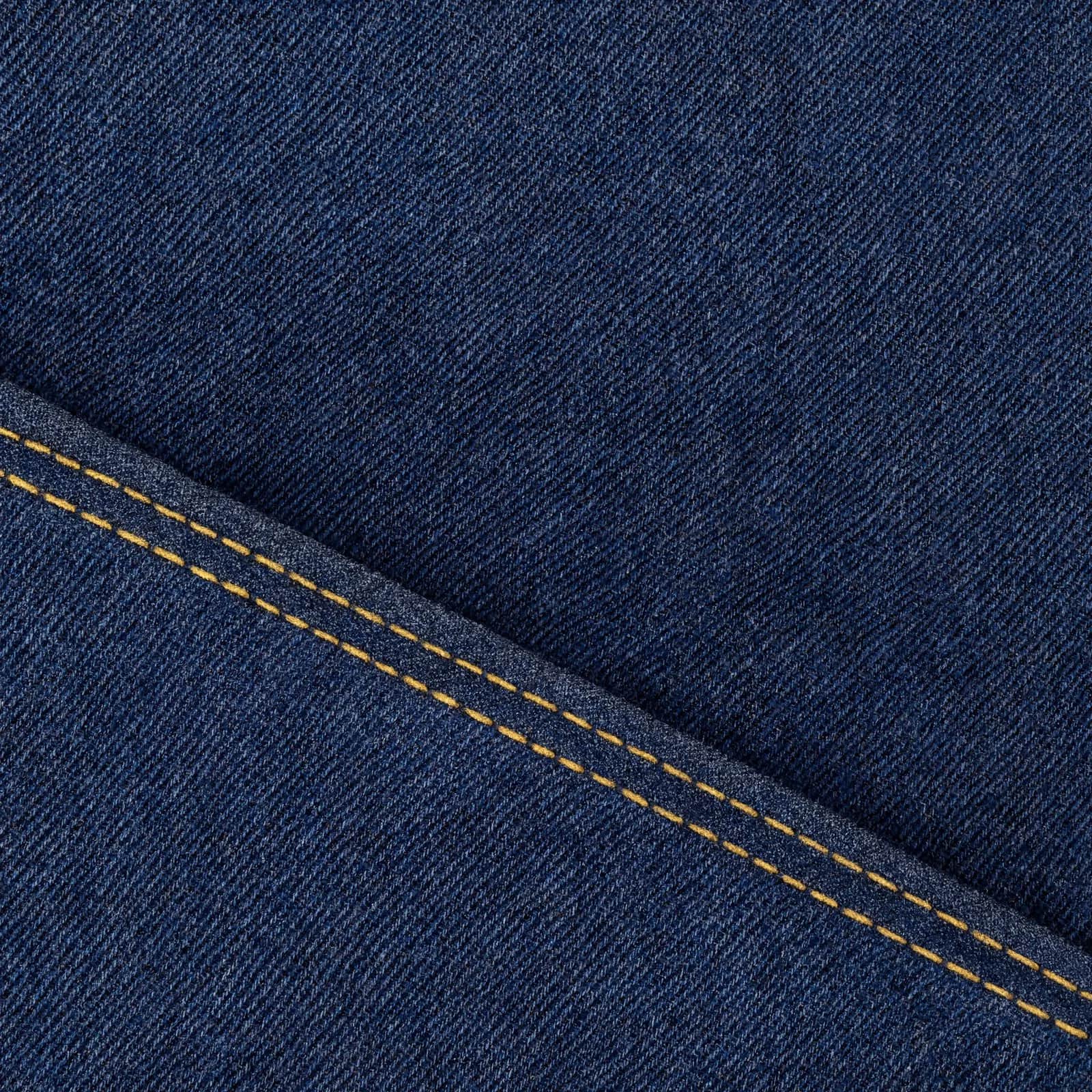
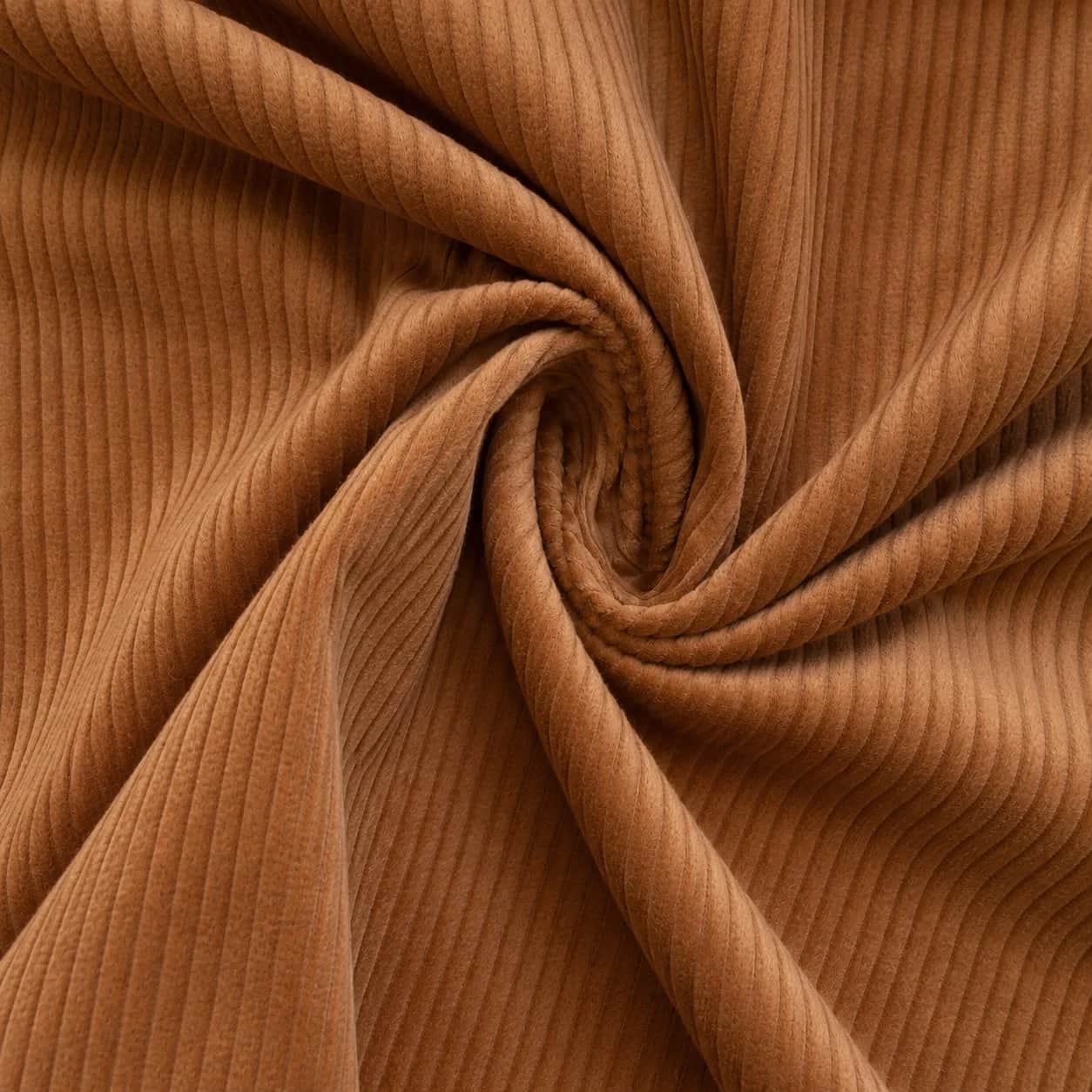
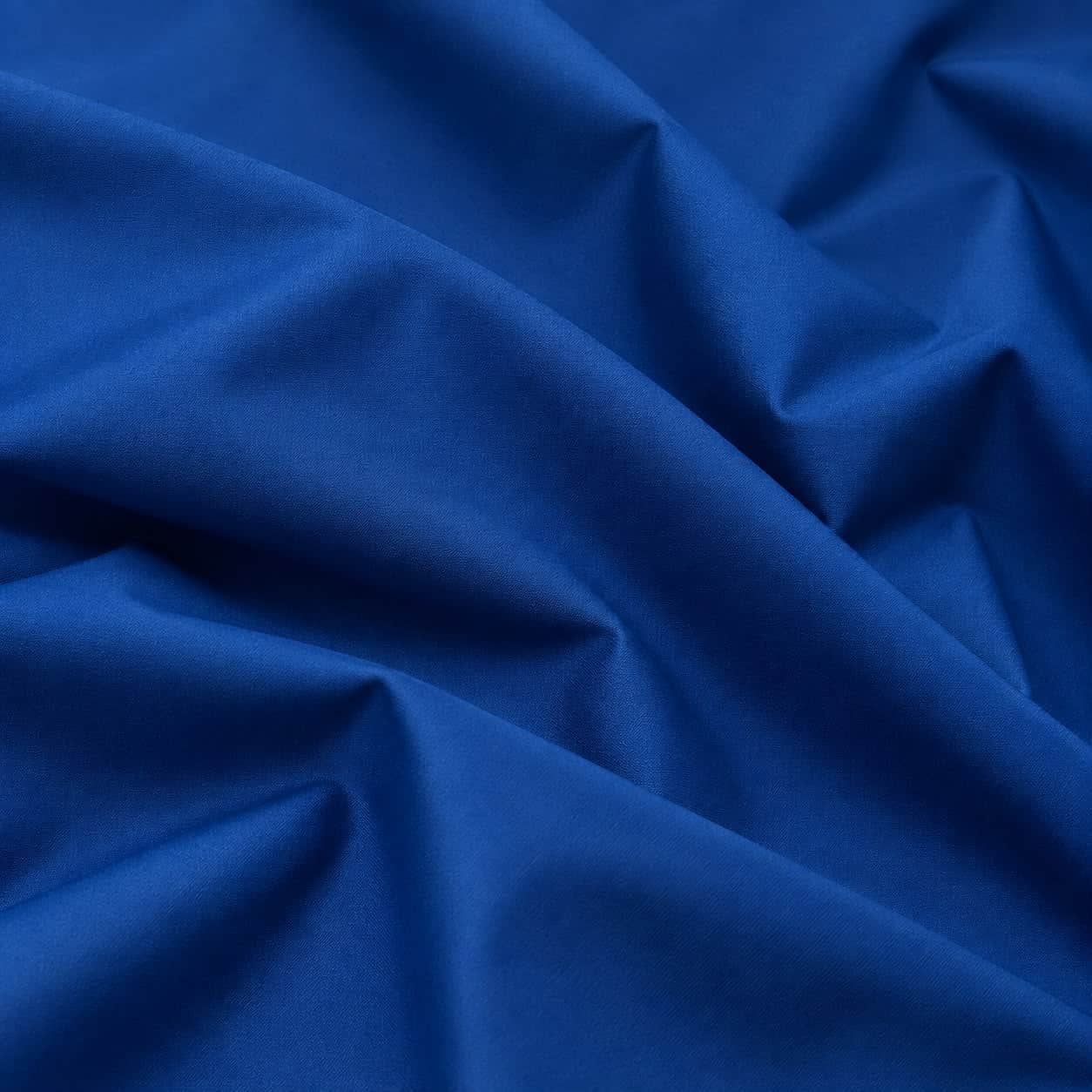
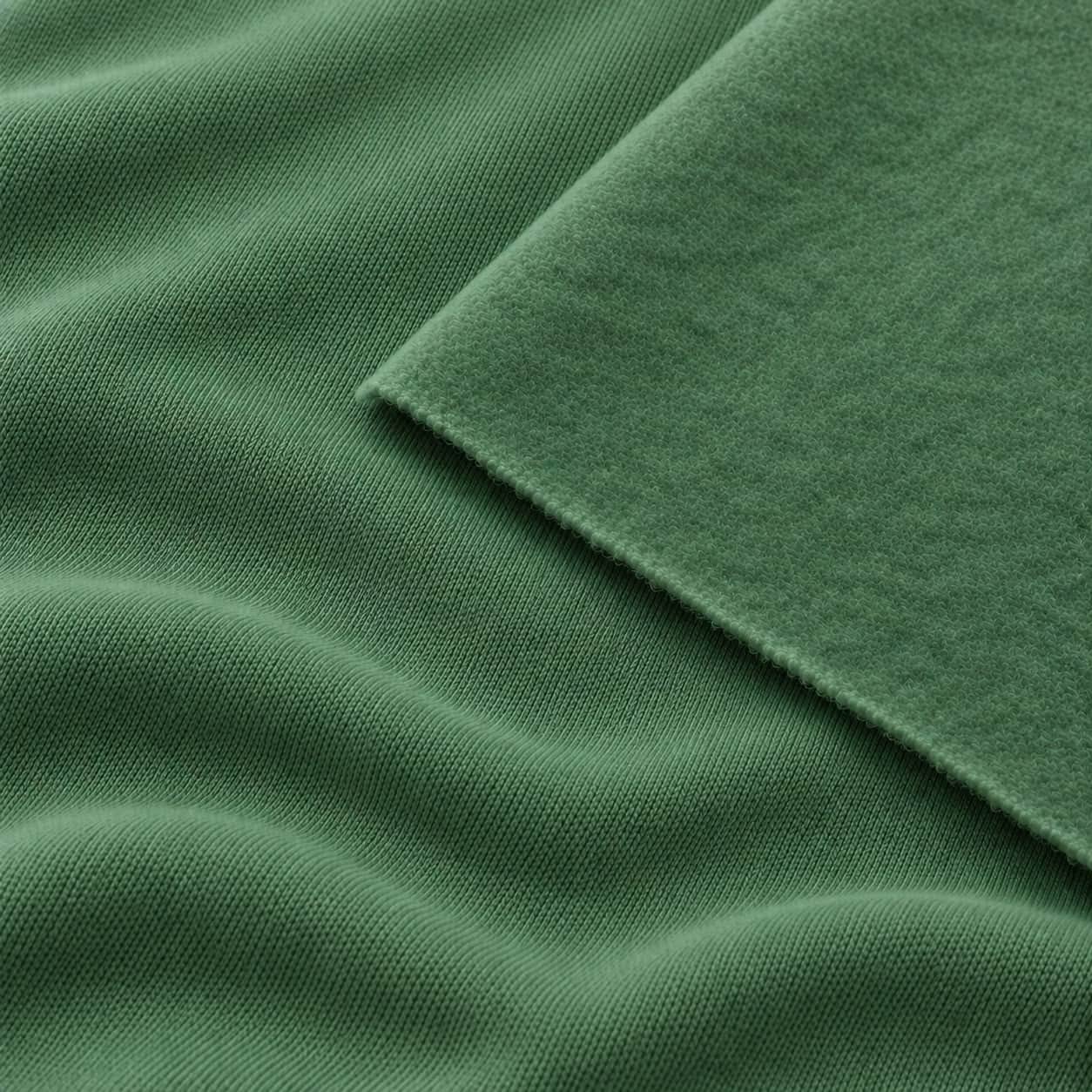
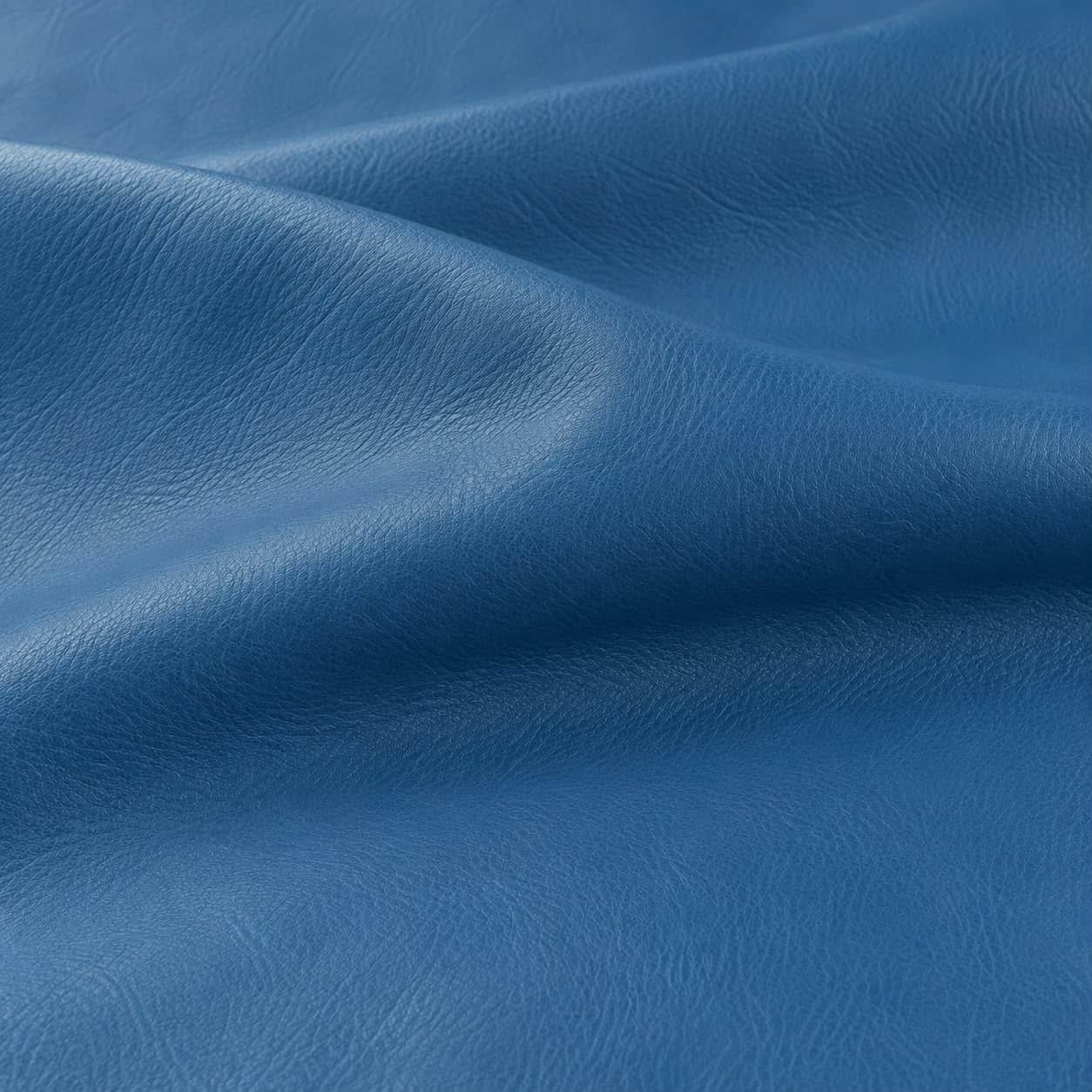
Close-upFabric and finish
Replaced if faultyMade to order, so no change-of-mind returns. Anything that arrives damaged or defective, we make right.
Try one firstOne unit in Premium, made like the run, through the same checkout.
A short, flared skirt that widens steadily from a gathered elastic waistband to a straight hem, which curves slightly to follow the flare. The pull-on waistband creates soft vertical folds across the front, and the two-panel body hangs without pleats or hardware. It ends at upper-thigh length in black.
A nylon garment uses polyamide fibre, valued for strength, light weight, abrasion resistance, and smooth technical handfeel.
Common options include nylon taslan, nylon ripstop, nylon taffeta, nylon/elastane stretch woven, recycled nylon, mesh lining, and water-repellent finishes.. Choose based on target price, handfeel, durability, and care requirements.
Focus on needle selection, seam finish, lining, zipper quality, heat sensitivity, pocket reinforcement, and water-repellent finishing. These details usually determine whether the product feels credible or cheap.
Check fabric noise, drape, breathability, sleeve or leg mobility, lining comfort, and whether the garment needs stretch. Fit should be reviewed on the body type and use case the product is designed for, not only on a flat measurement sheet.
The main cost drivers are recycled nylon, denier, coating, lining, zippers, seam finishing, and technical treatments. Sampling time and rejection risk also increase cost when the fit is sensitive.
Request checks for tear strength, abrasion, colourfastness, seam slippage, water repellency, and coating durability. For performance or workwear products, test under the real use condition rather than only visually.
Watch for snagging, shiny cheap surface, seam puckering, coating peel, static cling, and poor breathability. These issues should be caught at fit sample, pre-production sample, and bulk inspection stages.
affordable uses standard nylon or polyester blends; premium uses better denier, recycled nylon, and improved trims; luxury adds technical mills, refined handfeel, and branded hardware.
Include fibre content, denier or GSM, coating, lining, seam finish, zipper spec, pocket reinforcement, and care notes. Add reference photos and tolerance notes where fit or construction is easy to misread.
light outerwear, activewear, or technical woven factories are best depending on garment type.
Use OEKO-TEX STANDARD 100 as a consumer-safety baseline where possible. Use GOTS for organic cotton, GRS for recycled polyester or nylon, RWS for responsible wool, and leather-specific or chemical compliance where relevant to the material.
wash cool, avoid high heat, and protect coated or water-repellent finishes from aggressive detergents.

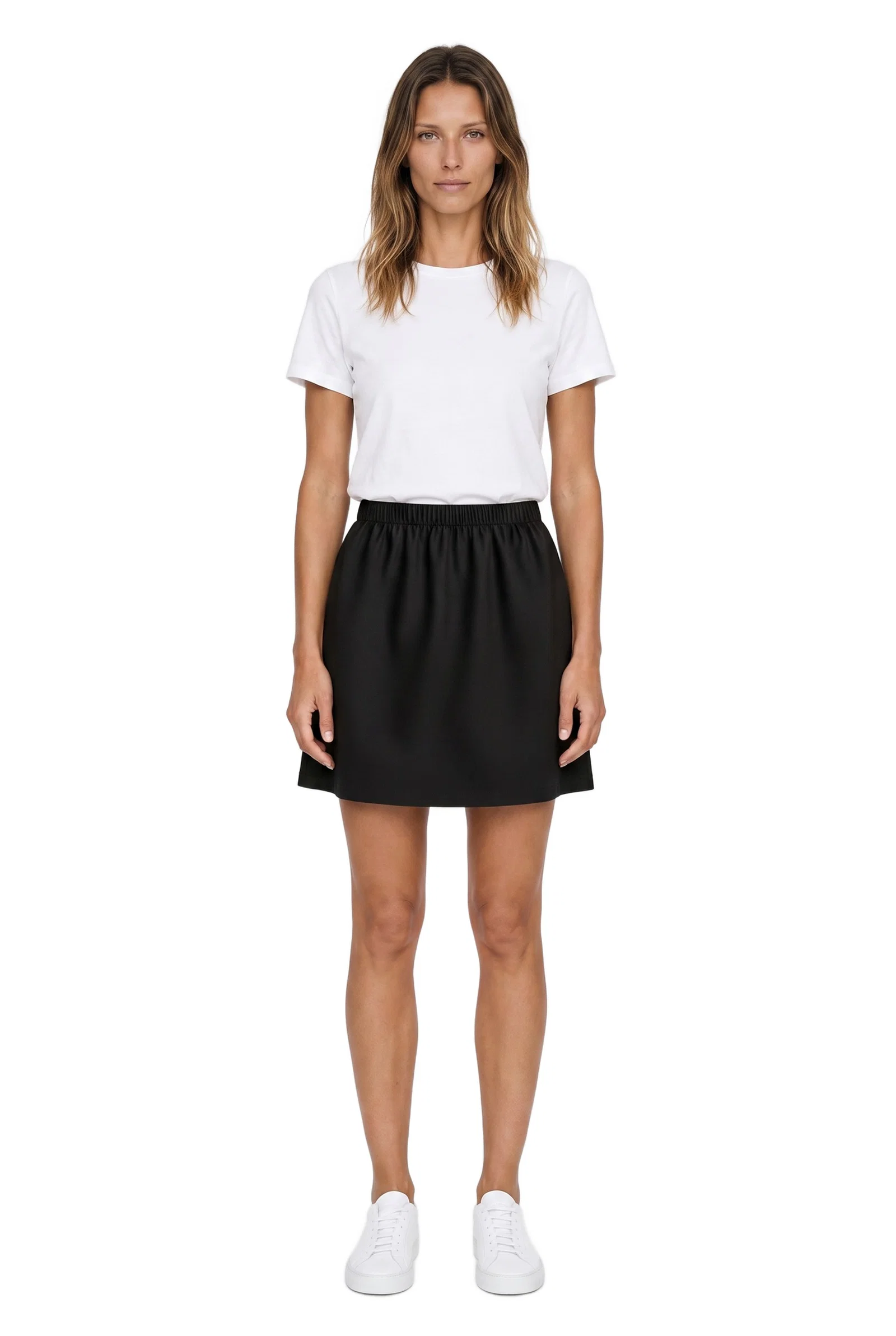 Model
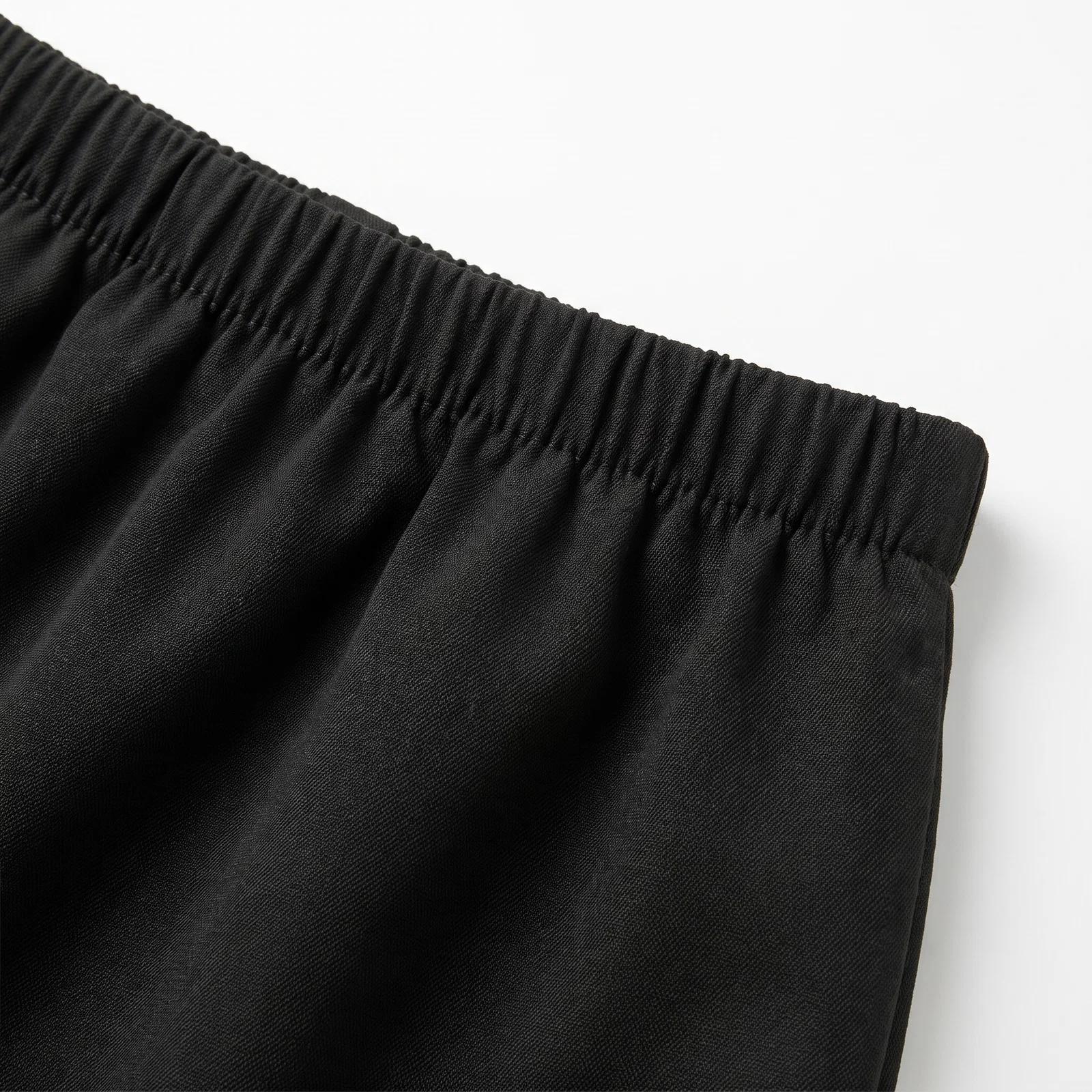 Close-upFabric and finish