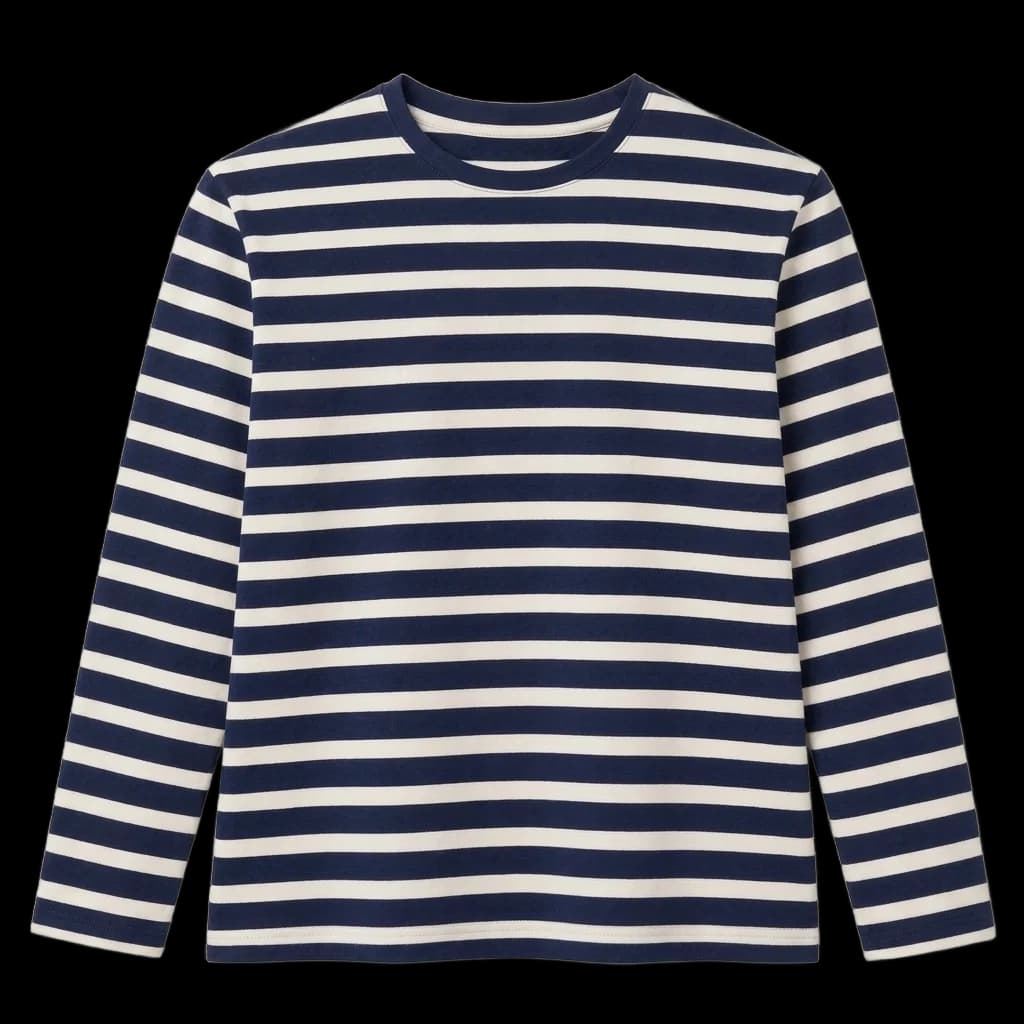
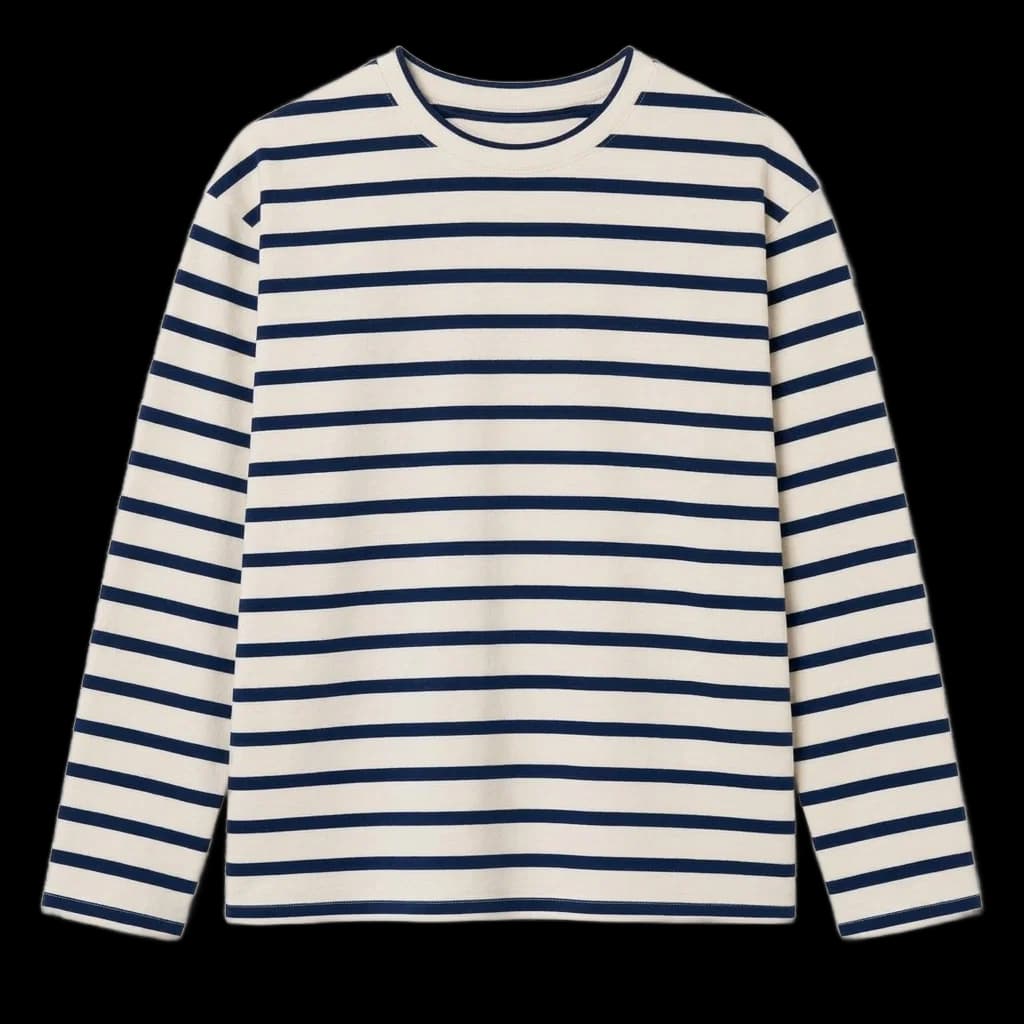
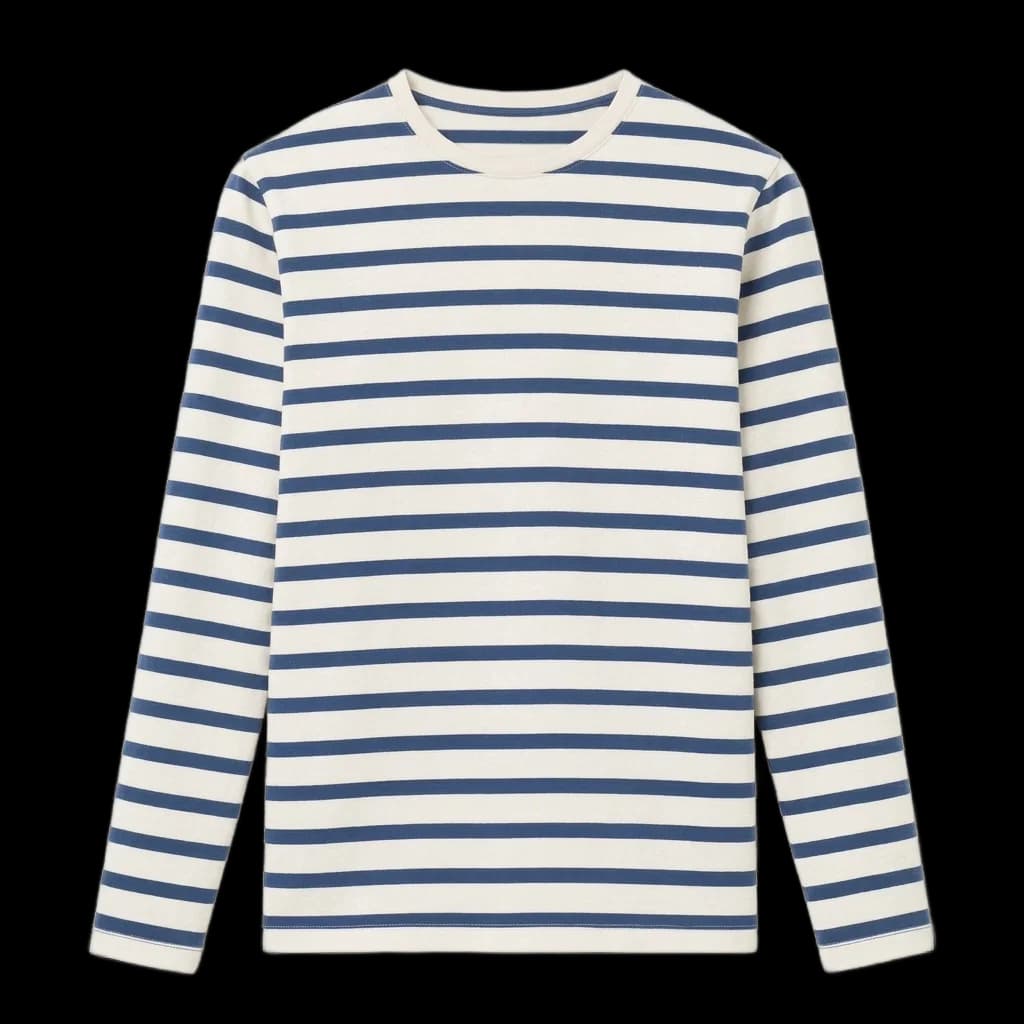
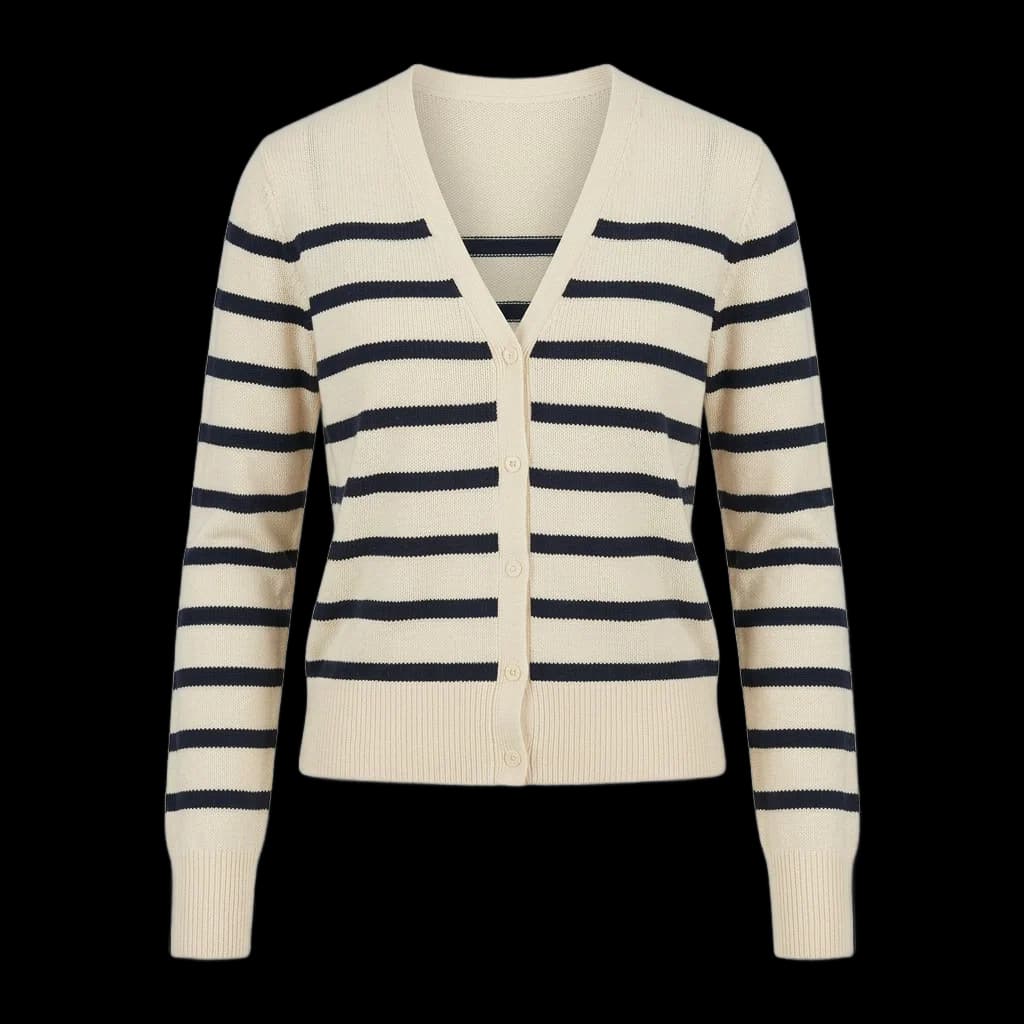
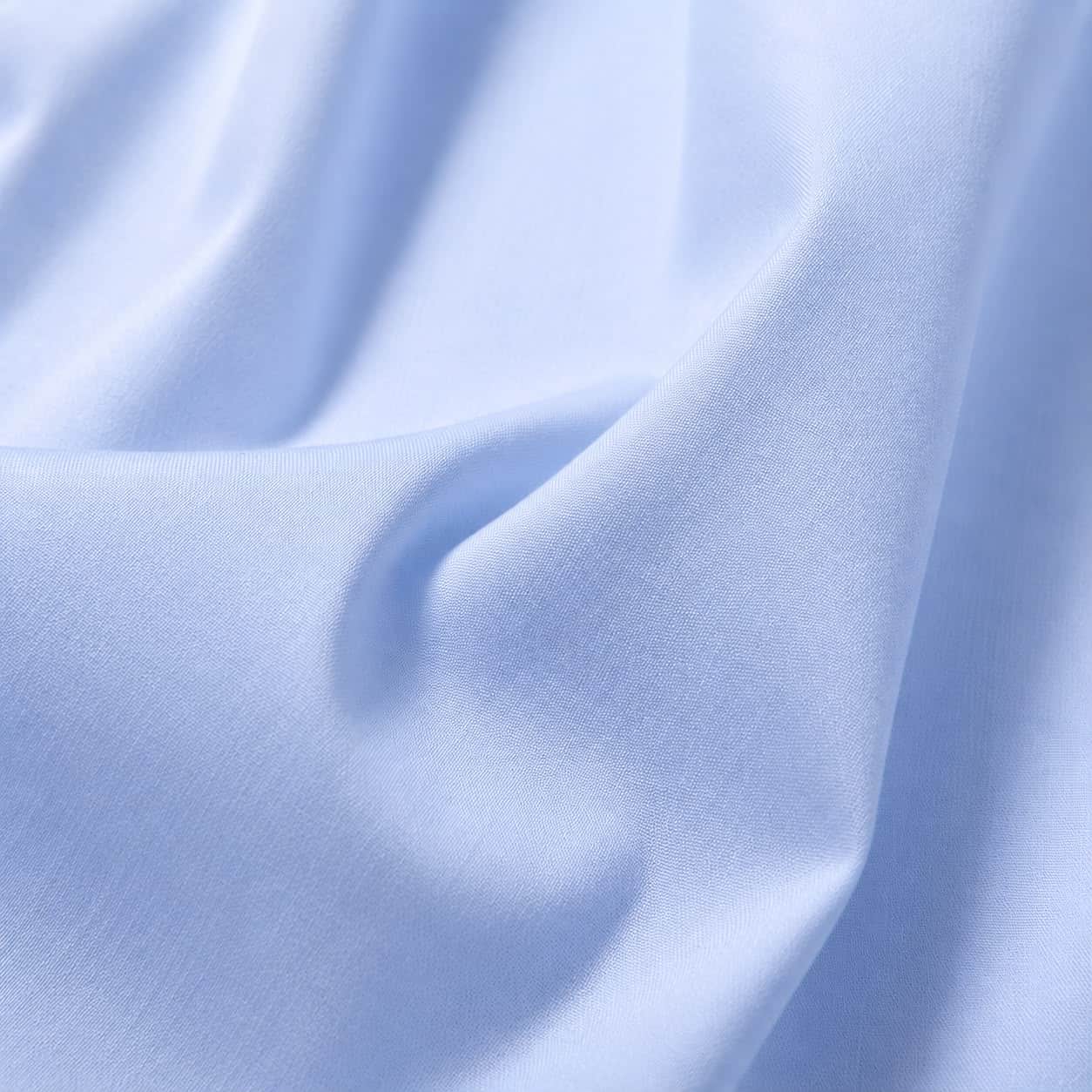
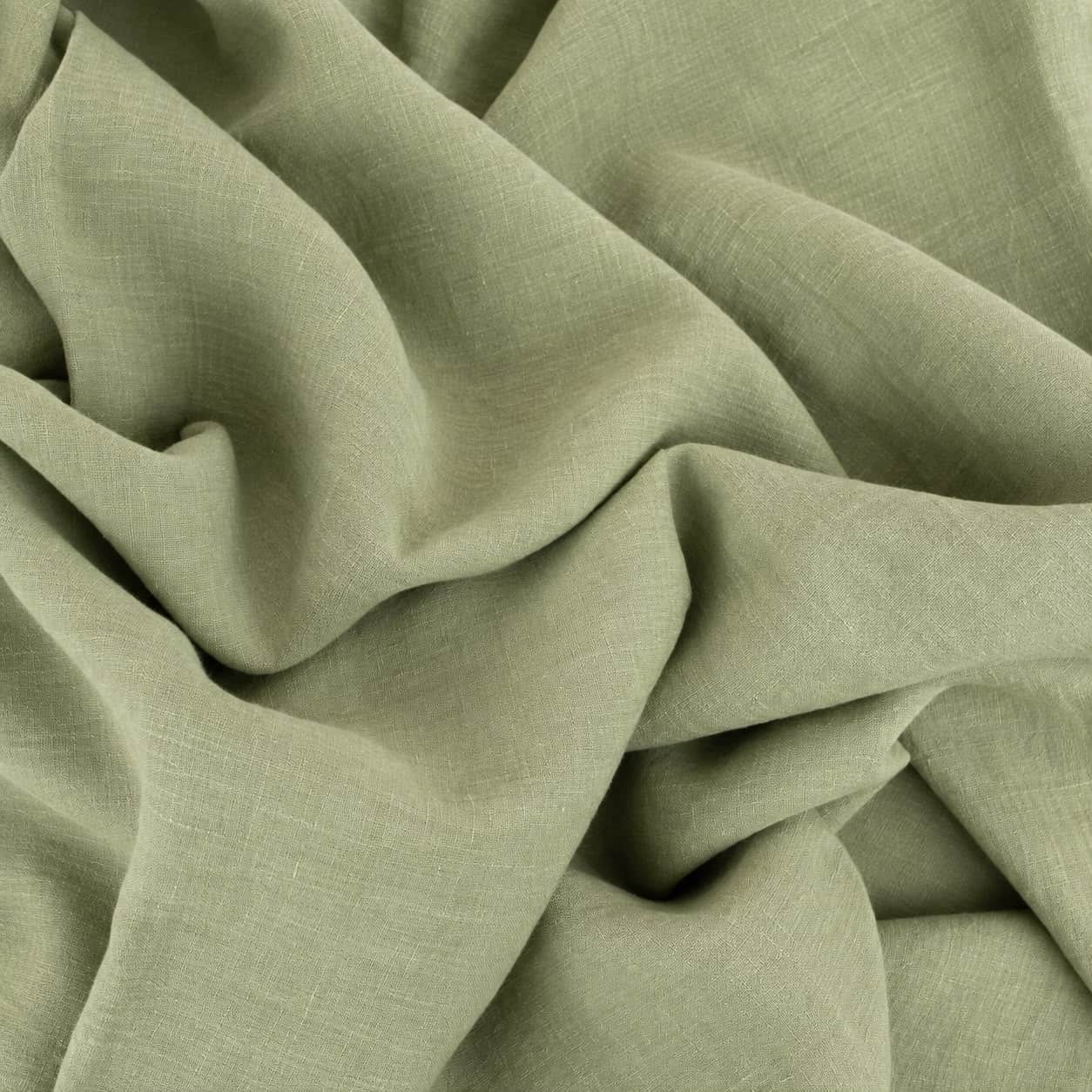
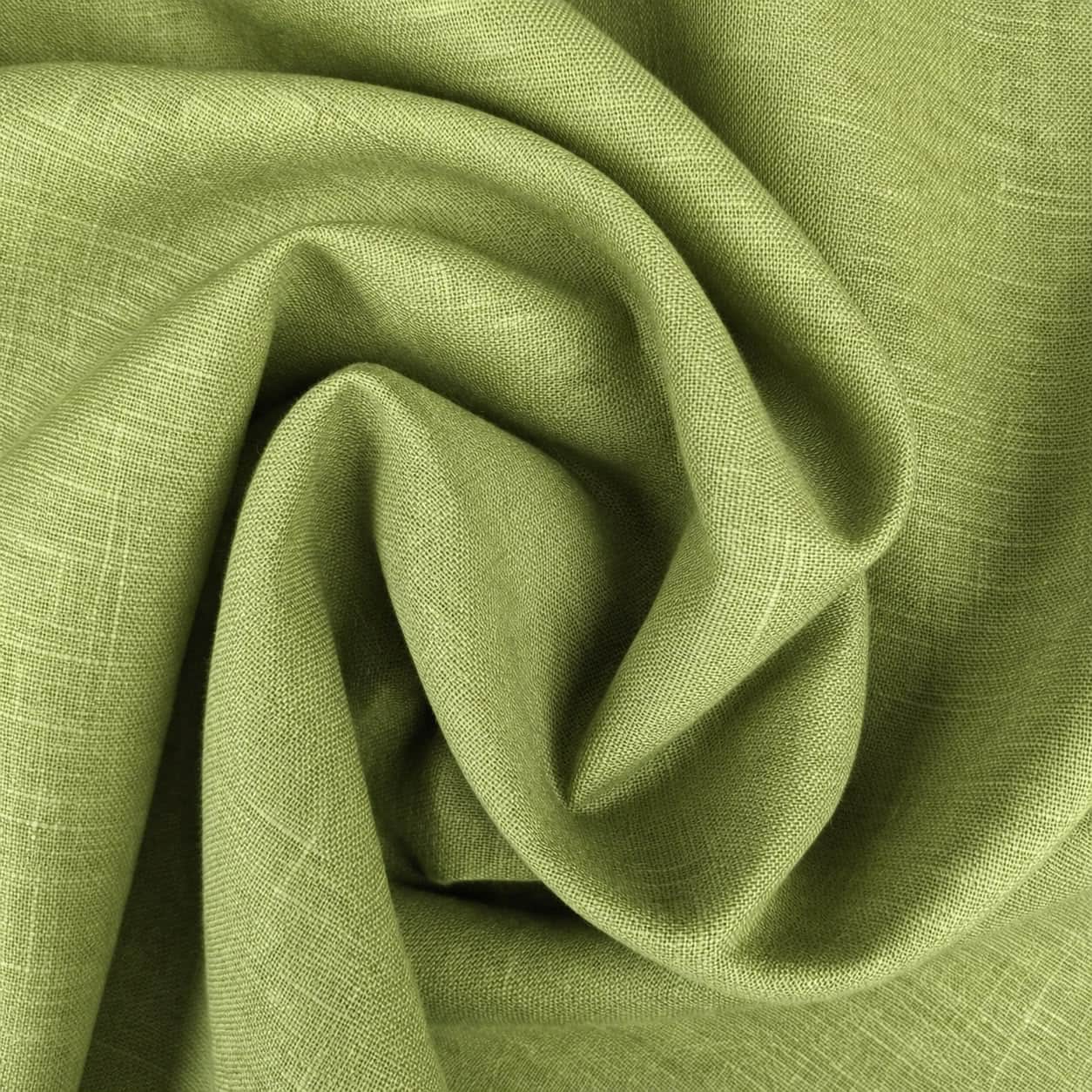
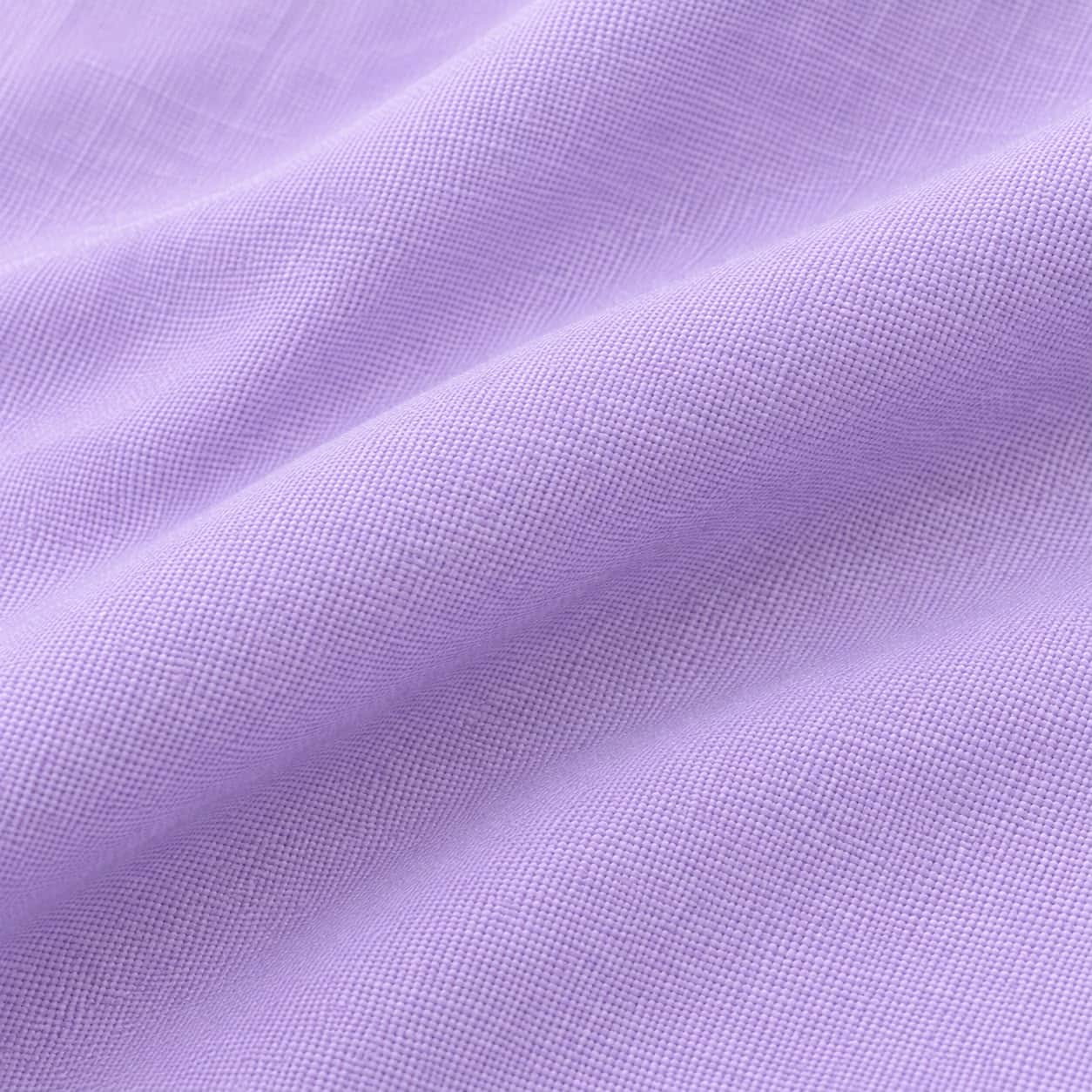
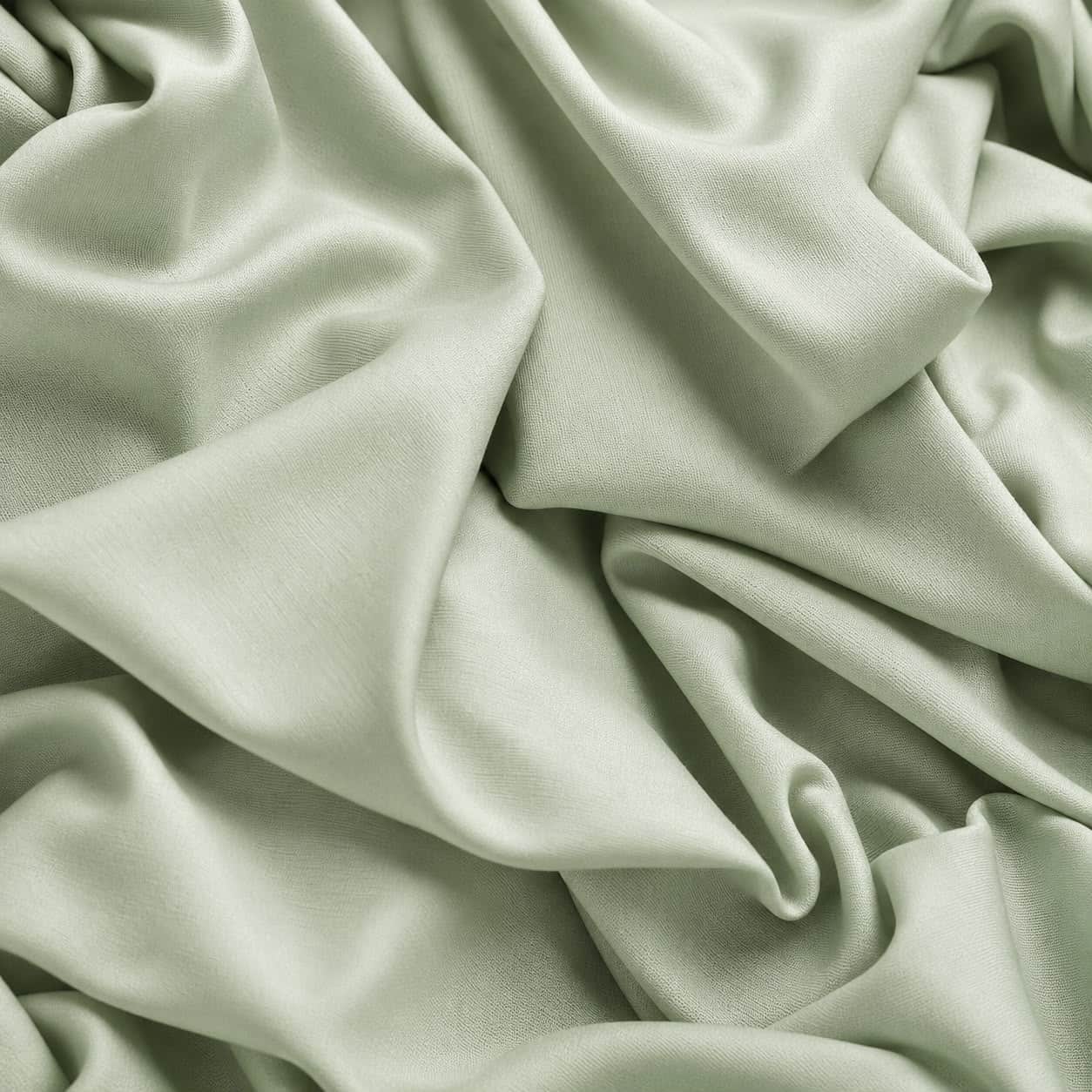
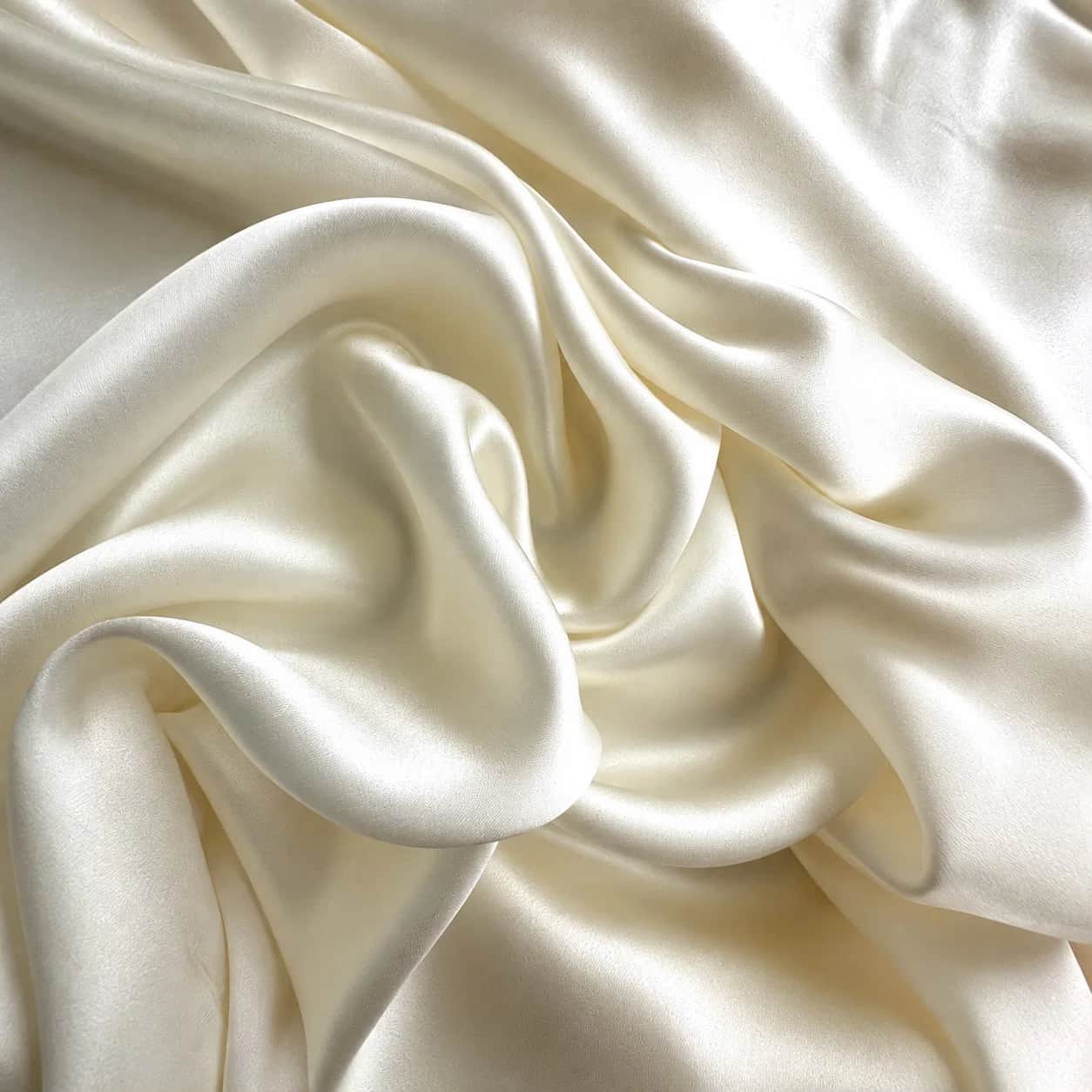
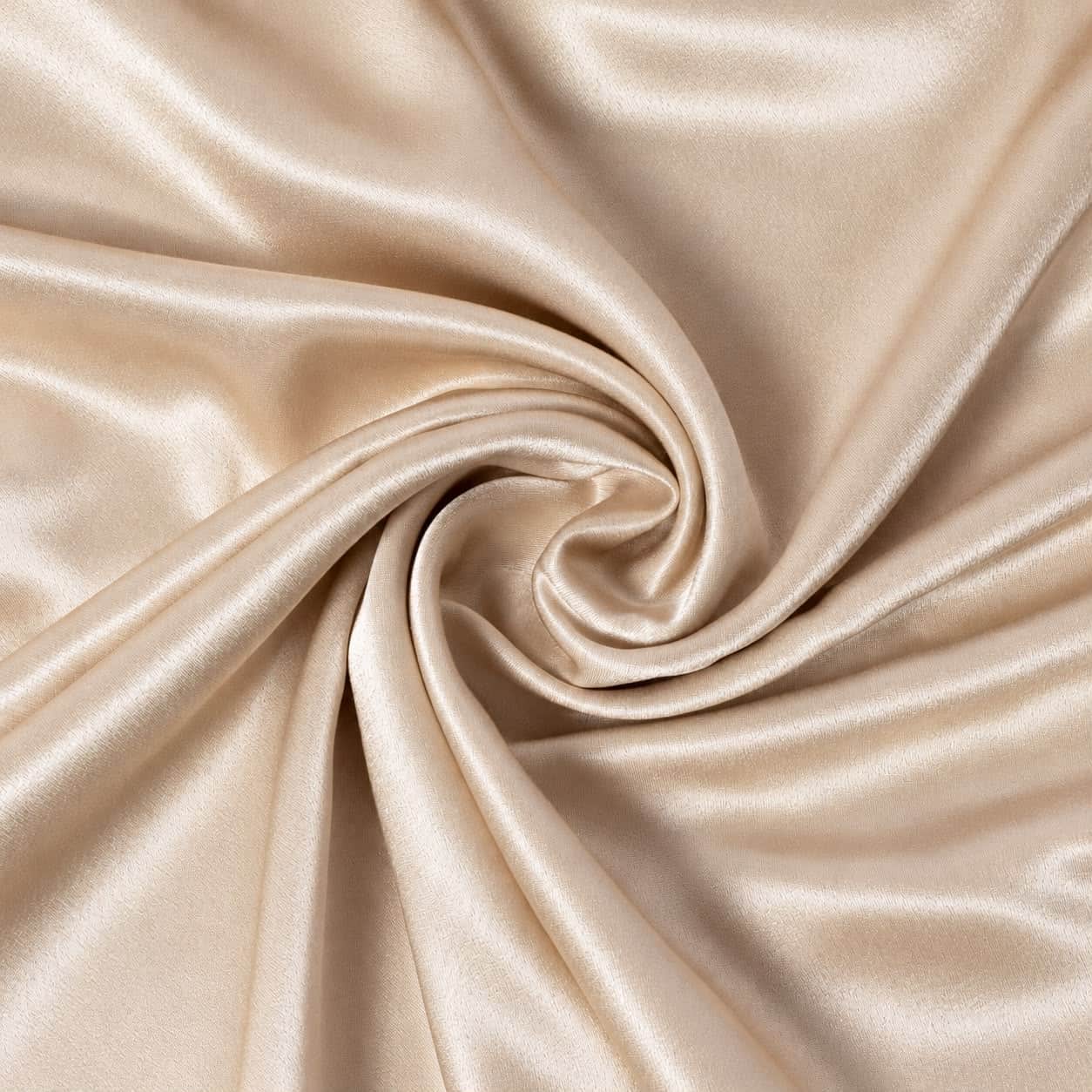
Your logo on the chest, a woven label, a back print, a colour from your brand book: Gabi designs the changes with you in the Studio and prices the finished piece before you order it. Your logo file goes on as you supply it.
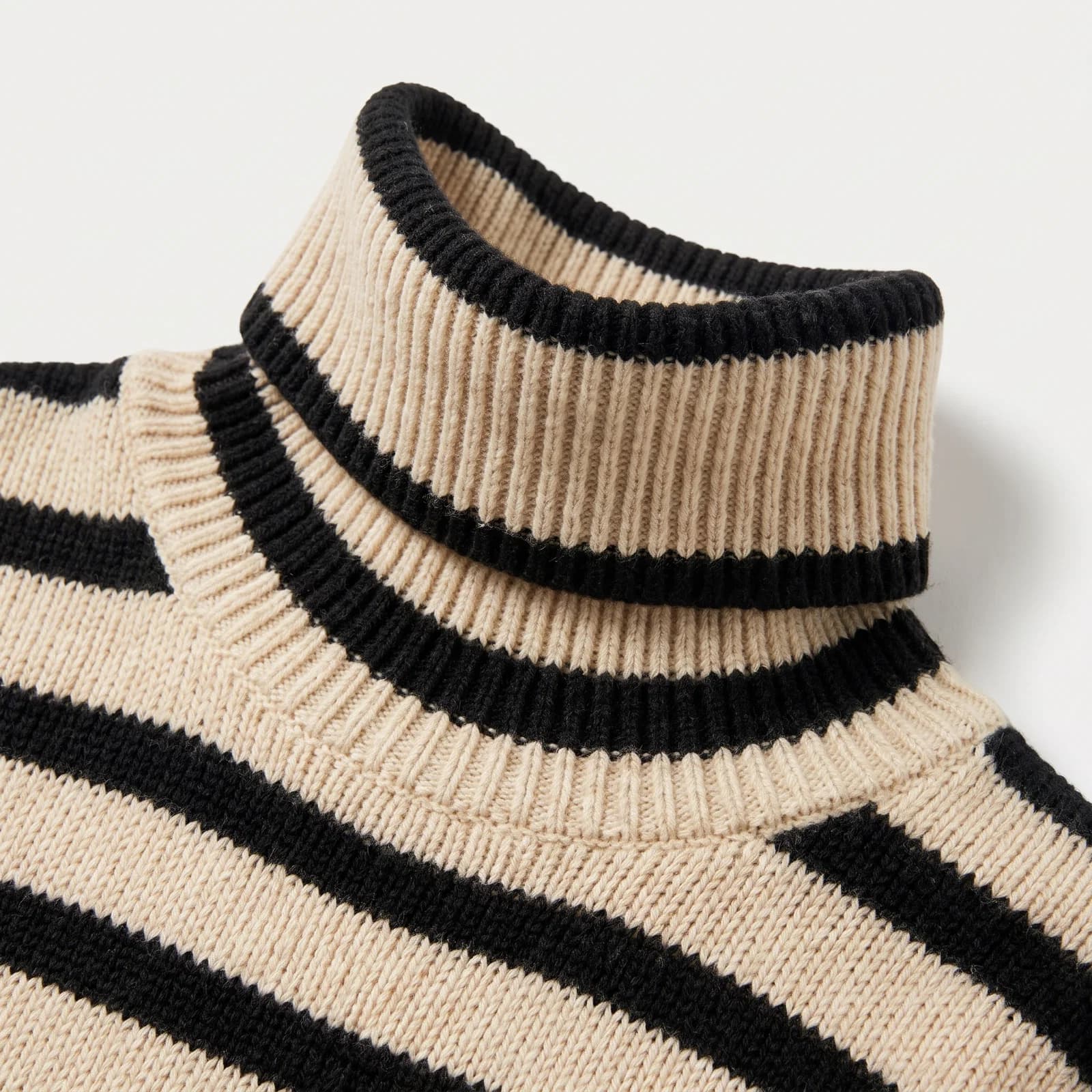
Close-upFabric and finish
Replaced if faultyMade to order, so no change-of-mind returns. Anything that arrives damaged or defective, we make right.
Try one firstOne unit in Premium, made like the run, through the same checkout.
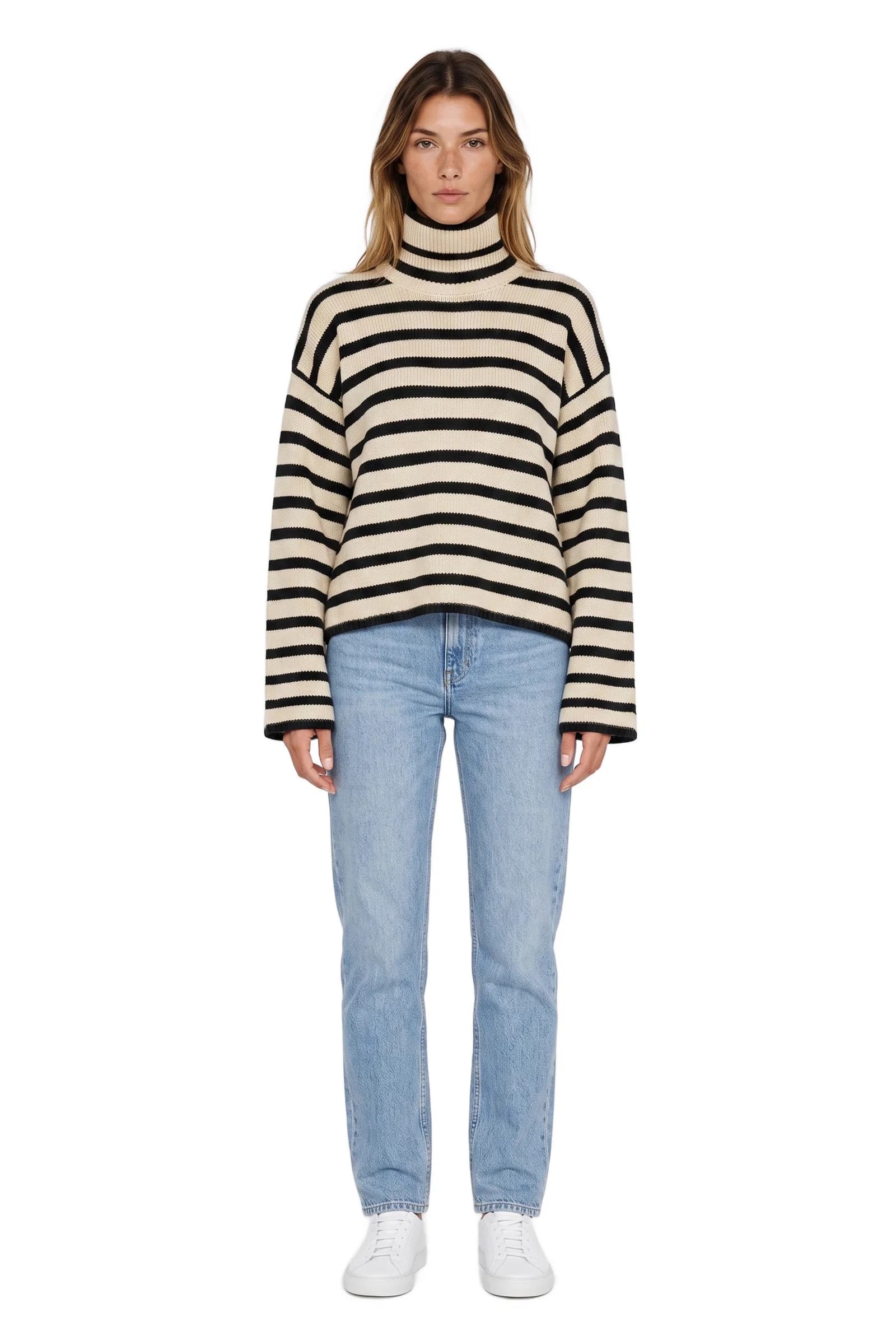
A boxy, cropped body with a straight cut and a straight hem that ends above the waist. The ribbed turtleneck collar is the only ribbed trim, while the wide, straight sleeves end in plain tubular cuffs. Drop shoulders set the sleeves low, and the horizontal stripes align at the side seams.
Specs
GradePremium, Soft Cotton Knit
Main Fabric100% Cotton, 380gsm
FitOversized
SilhouetteBoxy
LengthCropped
NecklineRibbed turtleneck, linked to neckline
SleeveSet-in, wide straight leg
HemStraight
ClosurePullover
CareMachine wash at 30°C on a gentle cycle, Do not bleach, Tumble dry on low heat
Minimum order50 units
Size guide
cm
XXS
XS
S
M
L
XL
XXL
Bust
54.5
57
59.5
62
64.5
67
69.5
Length
52
54
56
58
60
62
64
The garment measured flat: compare it with one you own.
Steve Jobs wore the same black turtleneck every day for twenty years.
He had 100 of them made by Issey Miyake. He said it saved him from decision fatigue. That is one way to think about the turtleneck. Here is another: Coco Chanel borrowed it from sailors in the 1910s and made it fashion. James Dean wore it in 1955 and made it rebellion. Steve McQueen wore it in 1968 and made it cool. Steve Jobs wore it in 1998 and made it genius. One collar. Four icons. The most culturally overdetermined neckline in fashion.
A turtleneck sweater costs between $23 and $94 per unit landed. Affordable cotton/acrylic cut-and-sew standard turtleneck from China: ~$23. Premium ZQ Merino fully fashioned rollneck from Portugal: ~$48. Luxury Grade A cashmere deep rollneck from Italy or Scotland: ~$94. The turtleneck costs only $1.50–7.00 more per unit than an equivalent crewneck sweater — making it the most cost-efficient collar upgrade in Family 06 knitwear.
Turtleneck and rollneck are largely synonymous — both describe a ribbed knit collar that extends above the crewneck height and folds over once or more to cover the neck. In American English, turtleneck is more common; in British English, polo neck or rollneck. A mock neck (mock turtleneck) does not fold — it stands straight at a height of typically 8–15cm. The mock neck adds less CMT and yarn than the folded variants. A cowl neck drapes loosely rather than standing, requiring a different knitting shape.
Specify finished folded collar height in centimetres — this is what the consumer sees. The knitted collar panel must be cut or knitted to double the finished folded height (a 20cm finished rollneck requires a 40cm knitted collar). Always specify post-blocking, post-wash measurement — knit relaxes after finishing. Add a tolerance: ±1cm on finished collar height. Inconsistent collar height between units is a frequent bulk QC failure.
The turtleneck is the highest skin-contact sweater in the catalogue — the collar sits directly against the neck. Fibre softness matters more here than in any other knitwear style. ZQ Merino (≤18.5 micron) is the minimum softness specification for a turtleneck at premium tier — any coarser merino or lambswool risks neck irritation. Grade A cashmere (≤15.5 micron) is the luxury standard. At affordable tier, specify a cotton/acrylic blend with a brushed or softened finish — this reduces collar prickle on coarser yarns.
2×2 rib is the commercial standard — it provides good elasticity, clear texture definition, and holds its fold reliably at mid-gauge. 1×1 rib is finer and more elegant — appropriate for fine gauge cashmere. Fisherman rib (half-cardigan stitch) produces a thick, spongy collar with a luxury handle — uses more yarn but has a distinctive tactile quality associated with premium knitwear. Specify rib type explicitly on the tech pack.
The collar is knitted as a separate rib panel to double its finished folded height. It is then attached to the neckline opening — either by linking (fully fashioned, premium) or by overlocked seam (cut-and-sew, affordable). The collar is attached with the knit face out so that the interior of the fold becomes the visible outer surface when worn. The neckline join seam must be specified as a linking seam at premium and luxury tier — this is the primary skin-contact seam and an overlock at this point is the most common turtleneck quality complaint.
A dickie is a collar-only garment with no body or sleeves — worn as an insert under a jacket, coat, or crew-neck sweater to simulate the appearance of a turtleneck. It uses minimal yarn (50–100g) and minimal CMT, and is a specialist product for the layering and styling market. MOQ is standard knitwear. It should not be confused with a full turtleneck sweater in the tech pack.
No — the turtleneck is the most cost-efficient garment upgrade in Family 06. The collar adds only $1.50–7.00/unit CMT over an equivalent crewneck, depending on collar height: mock neck +$1.50, standard turtleneck +$2.50, deep rollneck +$7. Yarn consumption increases by 30–80g per unit for the collar. At retail, a turtleneck typically commands $15–50 above an equivalent crewneck — a strong margin upgrade for a small cost increase.
Identical to #028–030: ZQ ×1.12–1.18 for merino, RWS ×1.08–1.12 for lambswool, RCS ×1.10–1.15 for cashmere, GOTS ×1.23 for cotton, OEKO-TEX ×1.05–1.10 as baseline. For a turtleneck specifically, OEKO-TEX is more commercially important than for other knitwear because the collar is directly skin-contact — consumers are more likely to query chemical safety for a garment that touches the neck continuously.
Italy and Scotland for luxury fully fashioned cashmere and fine merino — both have established traditions in fine gauge rollneck production. Portugal for premium European production at accessible MOQ. China for all methods and fibres at volume. All must be knitwear factories — the turtleneck uses the same factory as all Family 06 entries.
Collar irritation at the neck — caused by three compounding issues: fibre quality (coarse yarn), seam construction (overlock at neckline interior), and collar knit structure (too loose or uneven). The fix for each: specify fibre fineness (ZQ Merino ≤18.5 micron minimum at premium), specify linking at the neckline join, and specify 2×2 rib minimum for the collar. All three must be in the tech pack. Addressing only one or two does not solve the irritation problem.
HS code 6110 — jerseys, pullovers, sweatshirts, and similar articles of knit or crocheted fabric. Same as the crewneck sweater, cardigan, and knit hoodie. The collar height does not affect the classification.

 Model
 Close-upFabric and finish