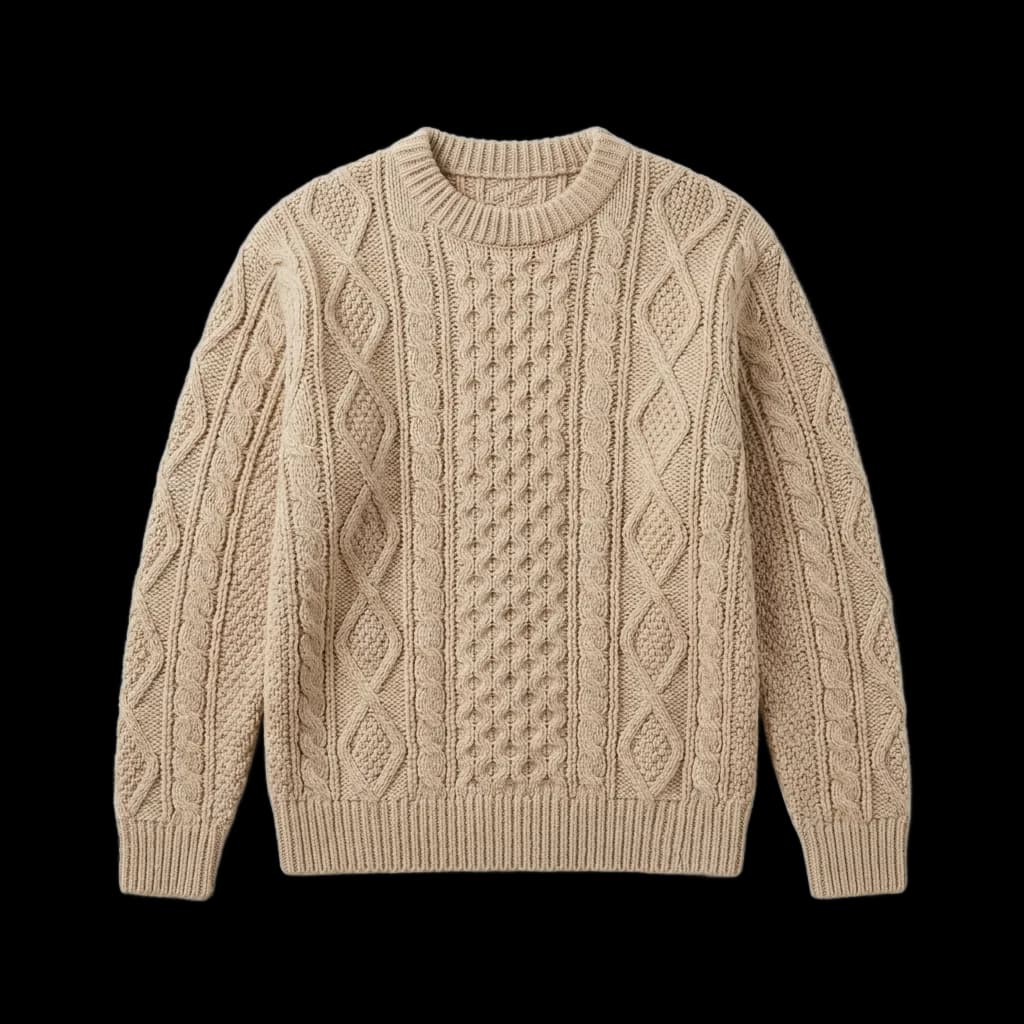
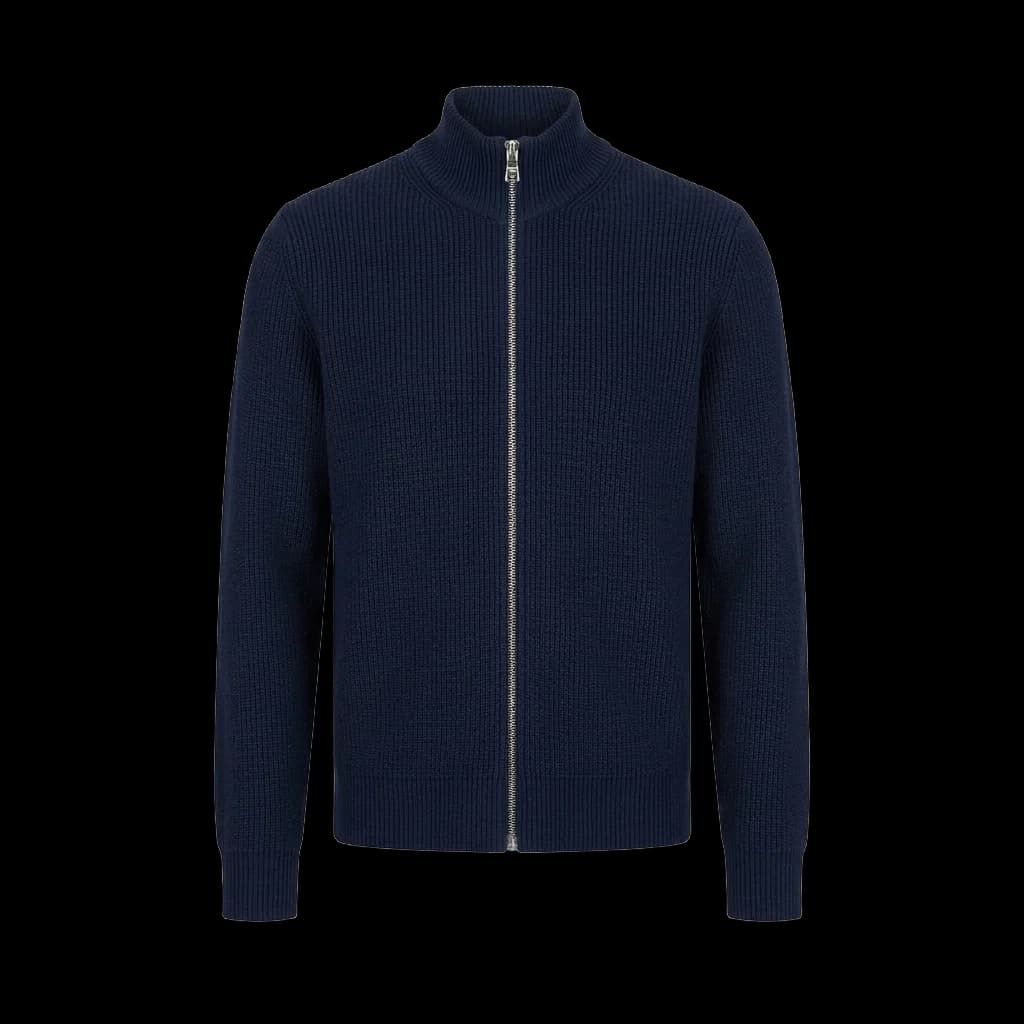
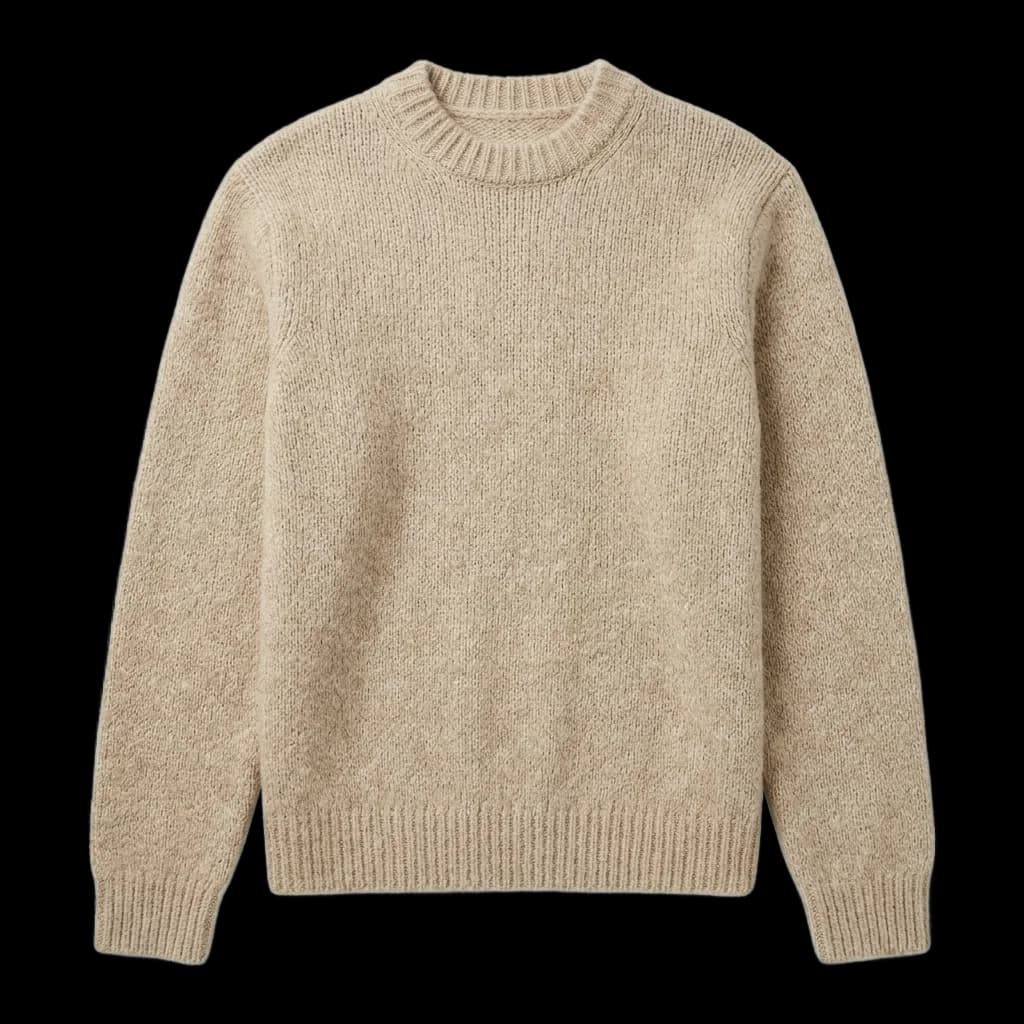
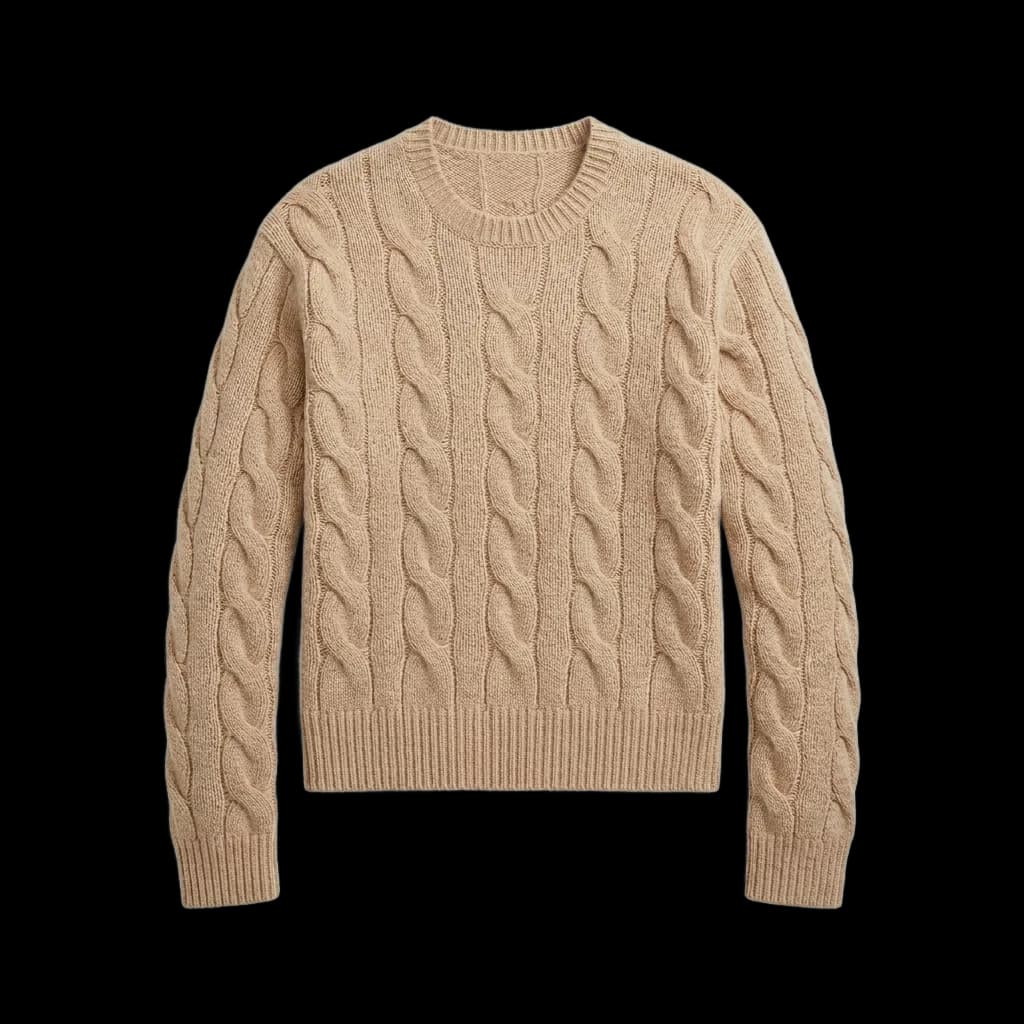
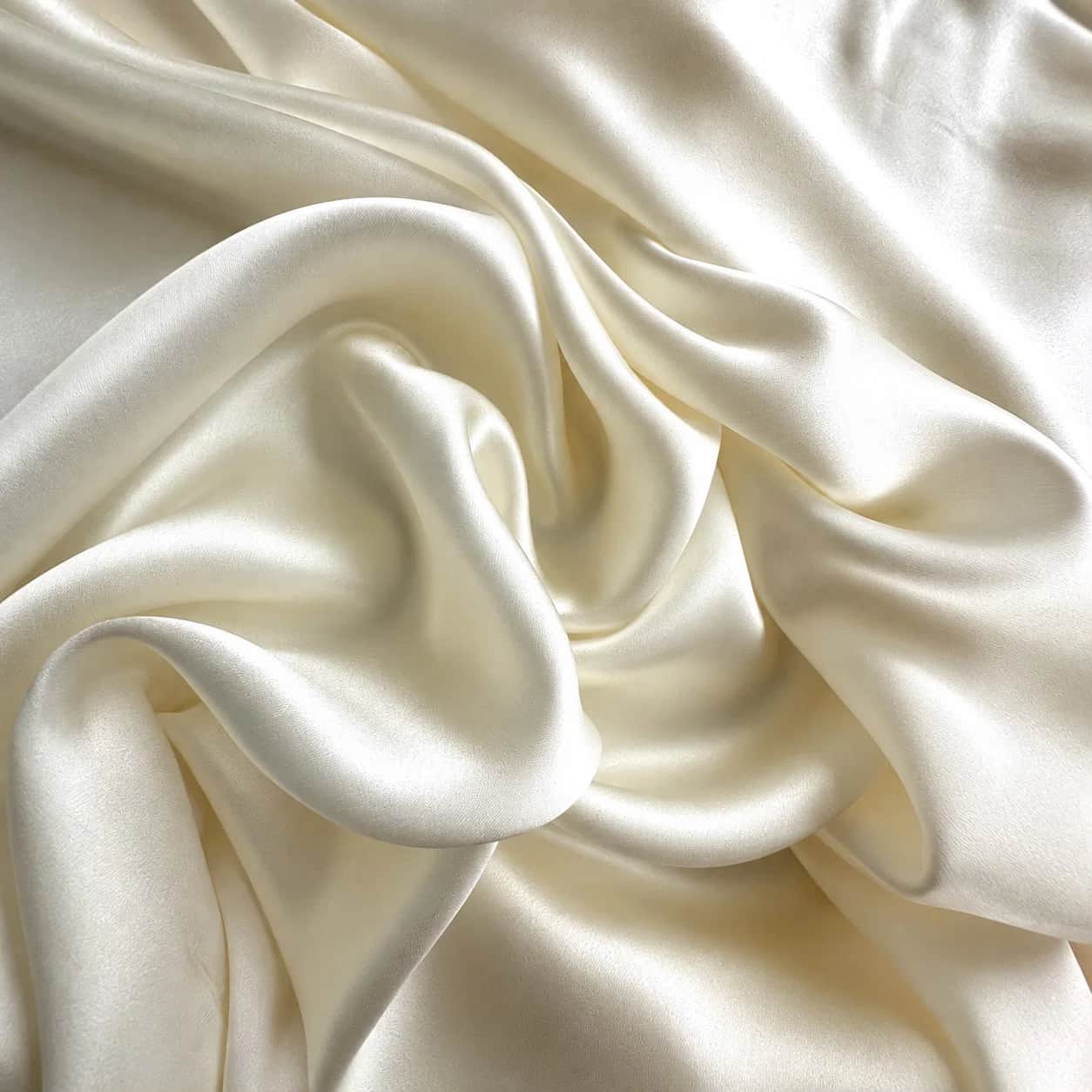
Your logo on the chest, a woven label, a back print, a colour from your brand book: Gabi designs the changes with you in the Studio and prices the finished piece before you order it. Your logo file goes on as you supply it.
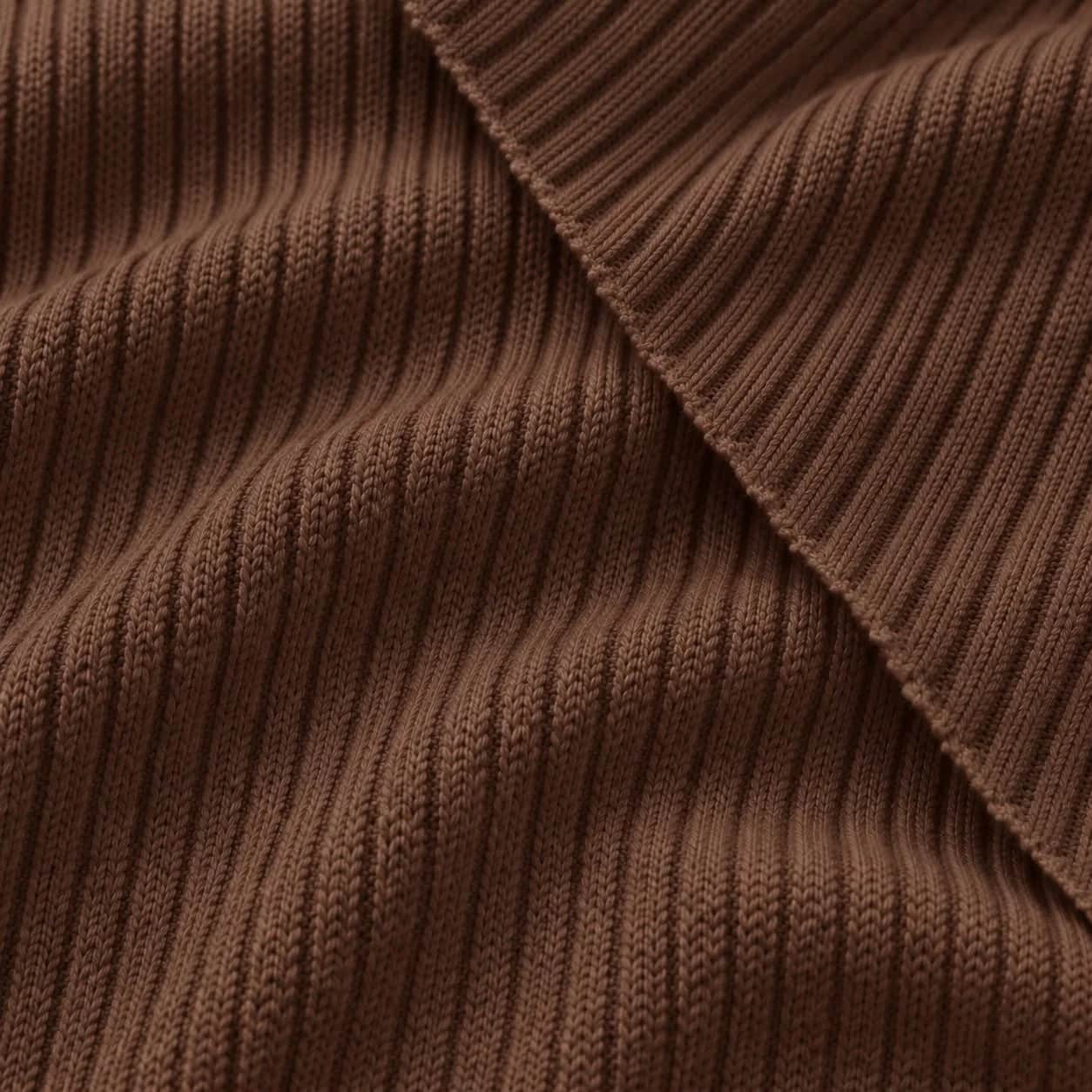
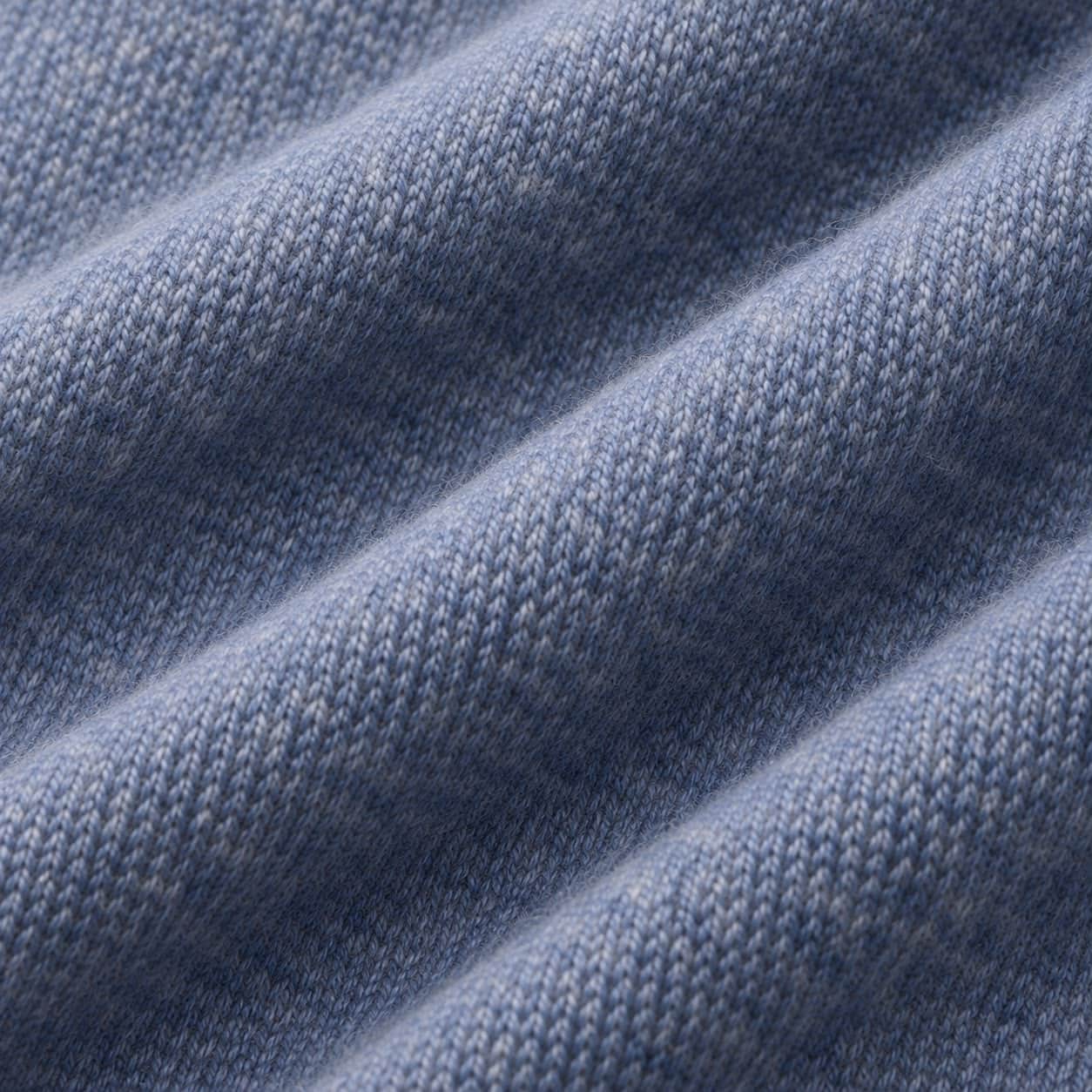
Close-upFabric and finish
Replaced if faultyMade to order, so no change-of-mind returns. Anything that arrives damaged or defective, we make right.
Try one firstOne unit in Premium, made like the run, through the same checkout.
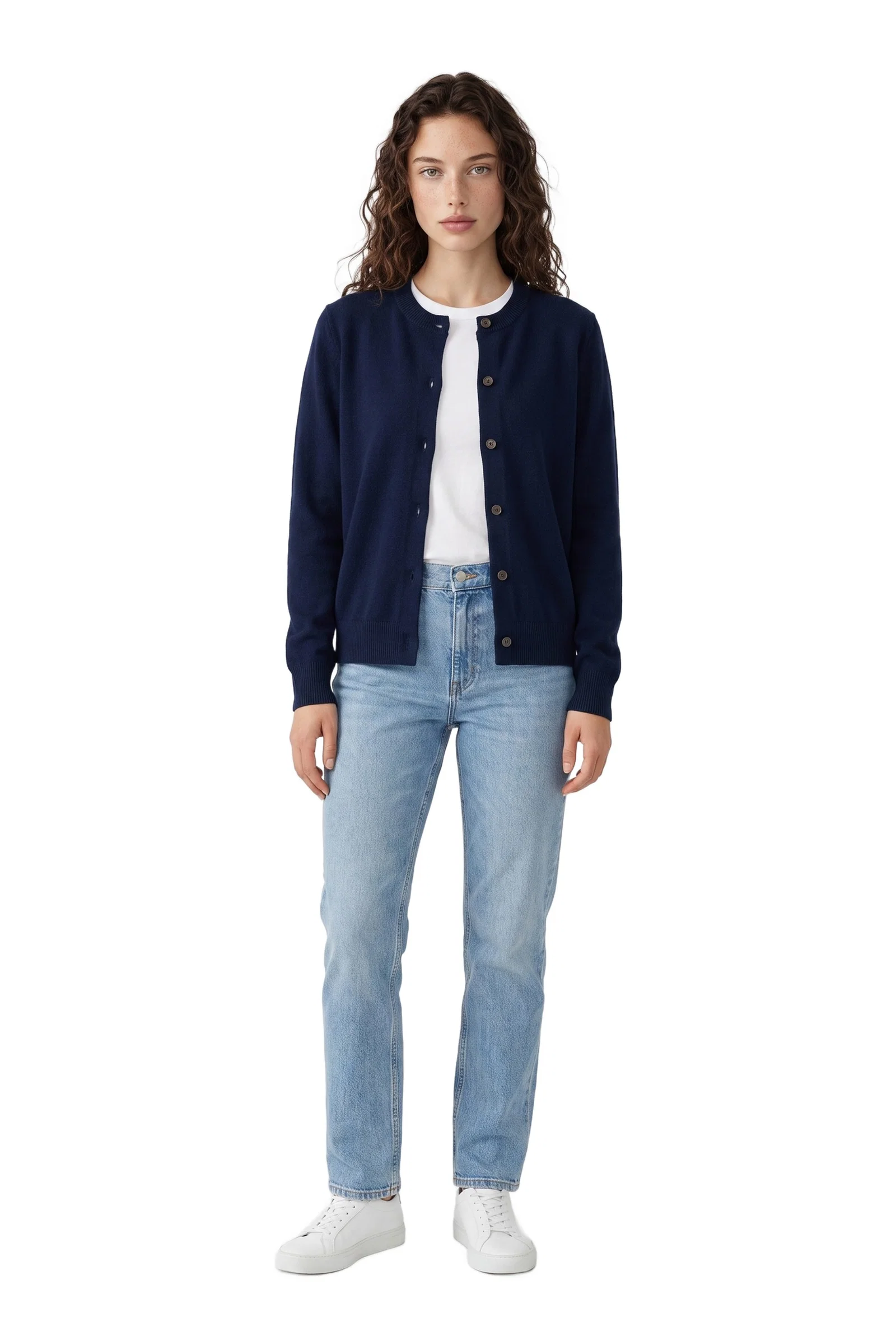
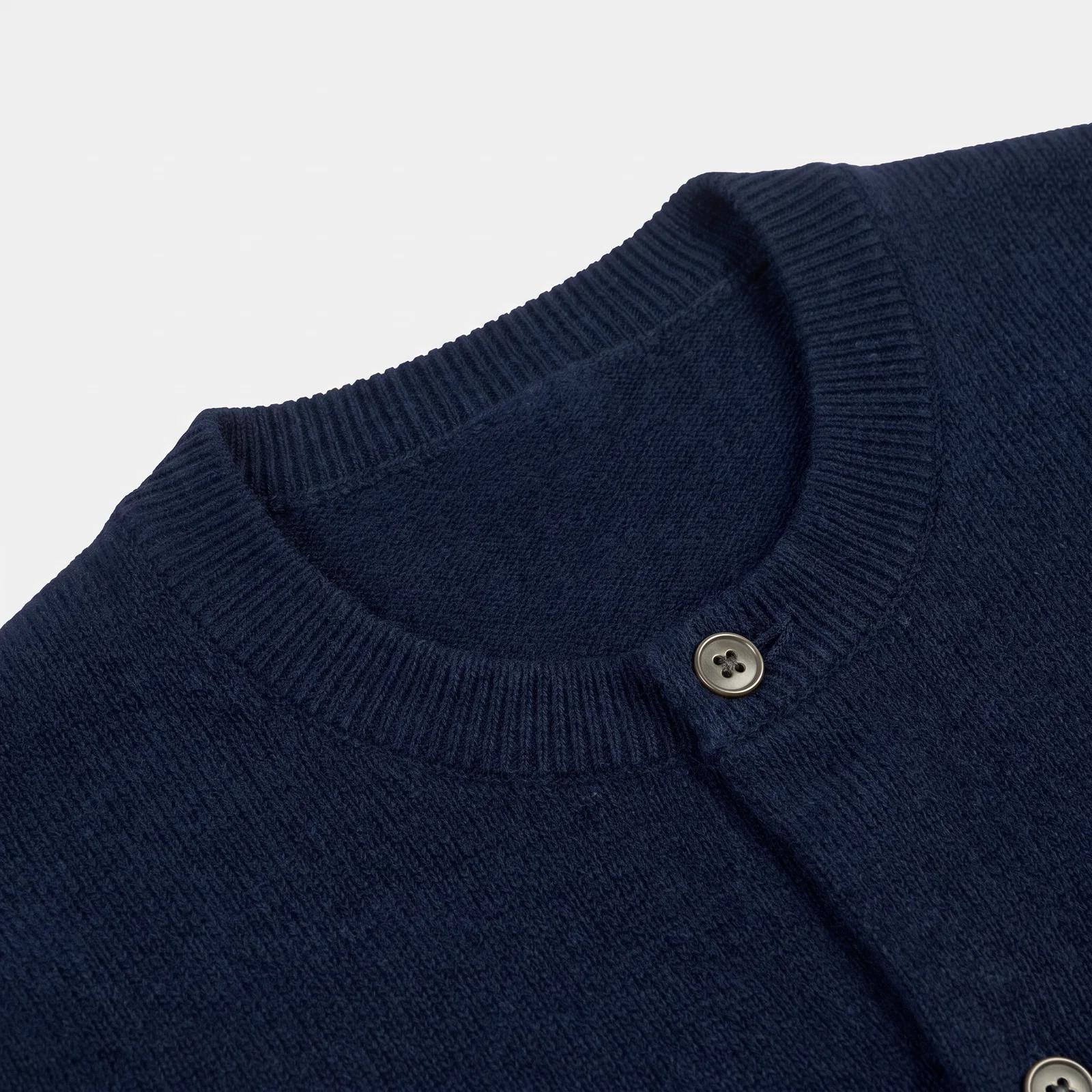
This navy cardigan has a straight, regular-length body with a crew neckline and long set-in sleeves. Six buttons run down the center front placket, and the straight hem falls near the hip. The overall cut is narrow through the shoulders and body, with ribbed trims at the collar, cuffs, and hem.
Specs
GradePremium, Premium Cotton
Main Fabric100% Cotton, 280gsm
FitRegular
SilhouetteClassic crewneck cardigan
LengthRegular
NecklineCrew neck
SleeveSet-in
HemStraight
Closure6x 4-hole buttons on center front placket
CareMachine wash at 30°C on a gentle cycle, Do not bleach, Tumble dry on low heat
Minimum order50 units
Size guide
cm
XXS
XS
S
M
L
XL
XXL
Bust
42
44
46
48
50
52
54
Length
52
54
56
58
60
62
64
The garment measured flat: compare it with one you own.
The cardigan was named after James Brudenell, the 7th Earl of Cardigan, who led the Charge of the Light Brigade in 1854.
His soldiers cut the sleeves off their knitted waistcoats to keep warm in the Crimean winter. The cut front became the button band. The button band became the cardigan. One hundred and seventy years later, Taylor Swift wore a cardigan on the cover of her album and it became the most Googled piece of knitwear in fashion history. The Earl would not have predicted that.
A cardigan costs between $25 and $113 per unit landed. Affordable cotton/acrylic cut-and-sew from China with a picked-up button band: ~$25. Premium ZQ Merino fully fashioned from Portugal with a knitted-in band and horn buttons: ~$56. Luxury Grade A cashmere fully fashioned from Scotland with a welt band and hand-worked buttonholes: ~$113. The cardigan costs $3–20 more per unit than an equivalent crewneck sweater, driven entirely by the button band construction and button specification.
A picked-up band is knitted separately after the front panels are assembled — stitches are picked up from the front edge and a rib band is worked outward. The result is adequate at affordable tier but can pull and curl without stabilisation. A knitted-in band is part of the front panel itself, knitted on the flat-bed machine as an integral extension of the front panel — there is no join seam. It is the cleaner, more precise construction, available only in fully fashioned production, and adds $2–4/unit CMT.
A hand-worked buttonhole is sewn by hand using a blanket or buttonhole stitch around a cut opening, rather than by machine. It is the defining luxury detail of high-end tailoring and knitwear, visible on Savile Row jackets and on N.Peal and Loro Piana cashmere cardigans. It adds $0.50–1.00 per buttonhole — $3–6/unit on a 6-button cardigan. The hand-worked buttonhole is a visible quality signal.
Resin at affordable. Corozo at mid-premium. Horn at premium and luxury. Mother of pearl for fashion and feminine positioning. Metal toggle for heritage references. Specify button diameter, shank type, and thread colour matched to yarn. Always apply a backing button on the interior behind all button attachments on mid-gauge or heavier knit.
A zip-through cardigan uses a YKK coil zip instead of a button band and is common in sportswear or Harrington-adjacent variants. It eliminates button-band CMT and replaces it with zip cost, usually saving about $1–6 per unit overall. The real decision is positioning: zip reads sport/technical, buttons read heritage knitwear.
Plain jersey is the most commercially common. Cable stitch is strongest for heritage positioning. Moss or seed stitch is especially good for open-front cardigans because it lies flat without strong band stabilisation. Jacquard and Fair Isle add the most visual differentiation. Chunky ribs suit oversized and streetwear-adjacent positioning.
Button count is determined by front length: typically one button every 8–10cm. A standard hip-length cardigan usually carries 6–7 buttons. Cropped styles may have 3–4; longline styles may have 8–10. Always specify exact button count and placement on the tech pack.
GOTS ×1.23 for cotton, RWS ×1.08–1.12 for lambswool, ZQ ×1.12–1.18 for merino, RCS ×1.10–1.15 for cashmere, and OEKO-TEX as the baseline consumer safety credential across all fibres.
China for all tiers and the widest infrastructure. Portugal for Made in Europe premium. Scotland for luxury fully fashioned merino, lambswool, and cashmere. Italy for luxury fully fashioned cashmere and fine merino.
A shawl collar cardigan has a wide folded lapel rather than a standard rib neckband. It wraps around the neck and creates a continuous lapel from shoulder to hem. It adds roughly $3–10/unit CMT, requires shaping expertise, and must be blocked correctly after assembly.
HS code 6110 — jerseys, pullovers, sweatshirts, waistcoats, and similar articles of knit or crocheted fabric. Same as the crewneck sweater. The open front does not change the classification.
A cardigan typically retails at 10–20% above an equivalent crewneck sweater, reflecting the added button band construction and button material. At luxury tier, the premium can be larger because hand-worked buttonholes and high-quality buttons are visible value signals.

 Model
 Close-upFabric and finish