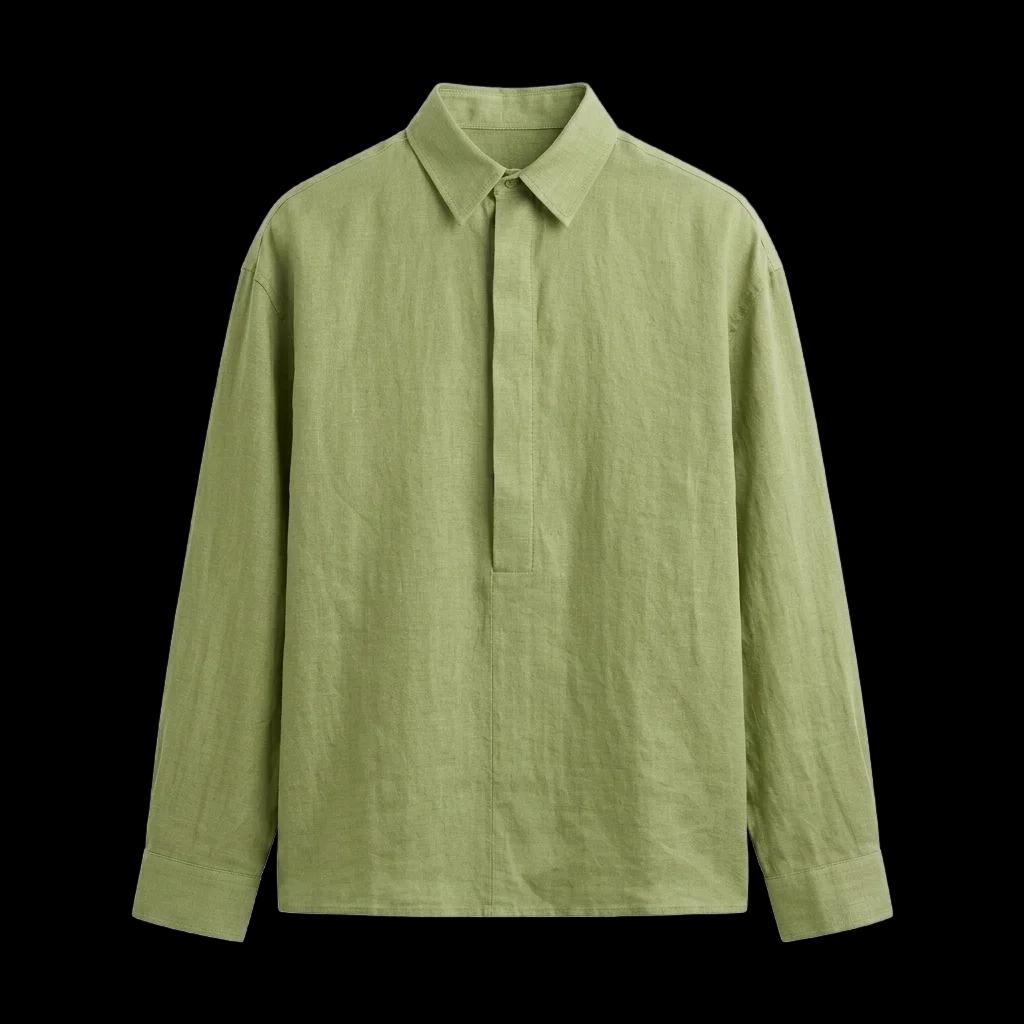
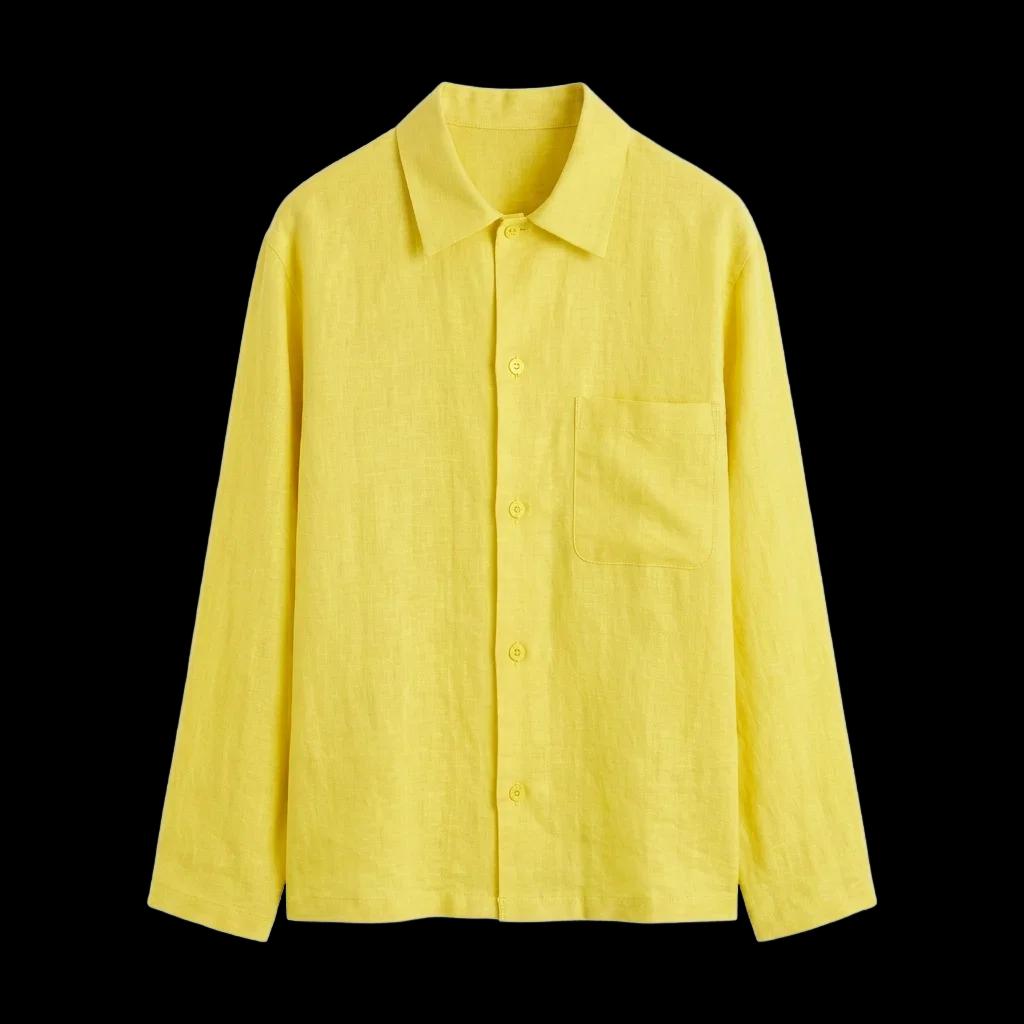
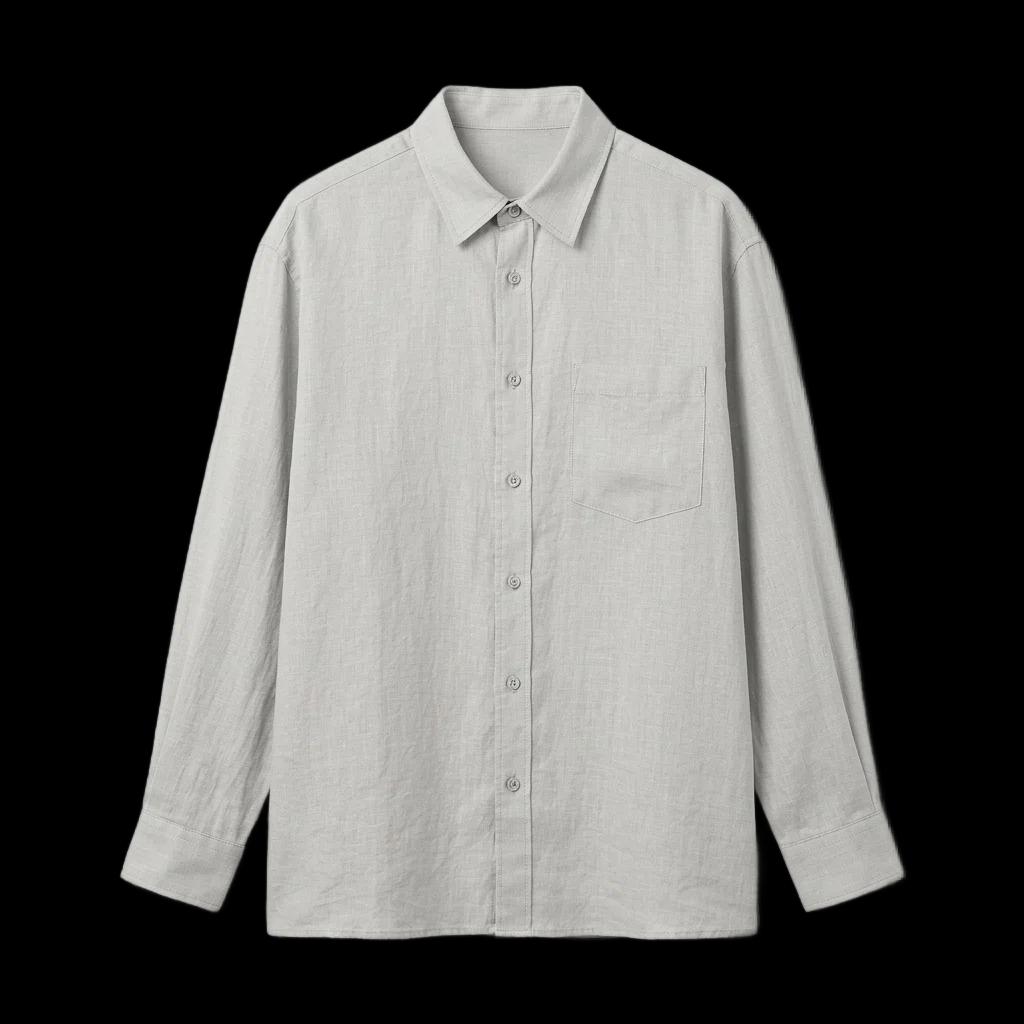
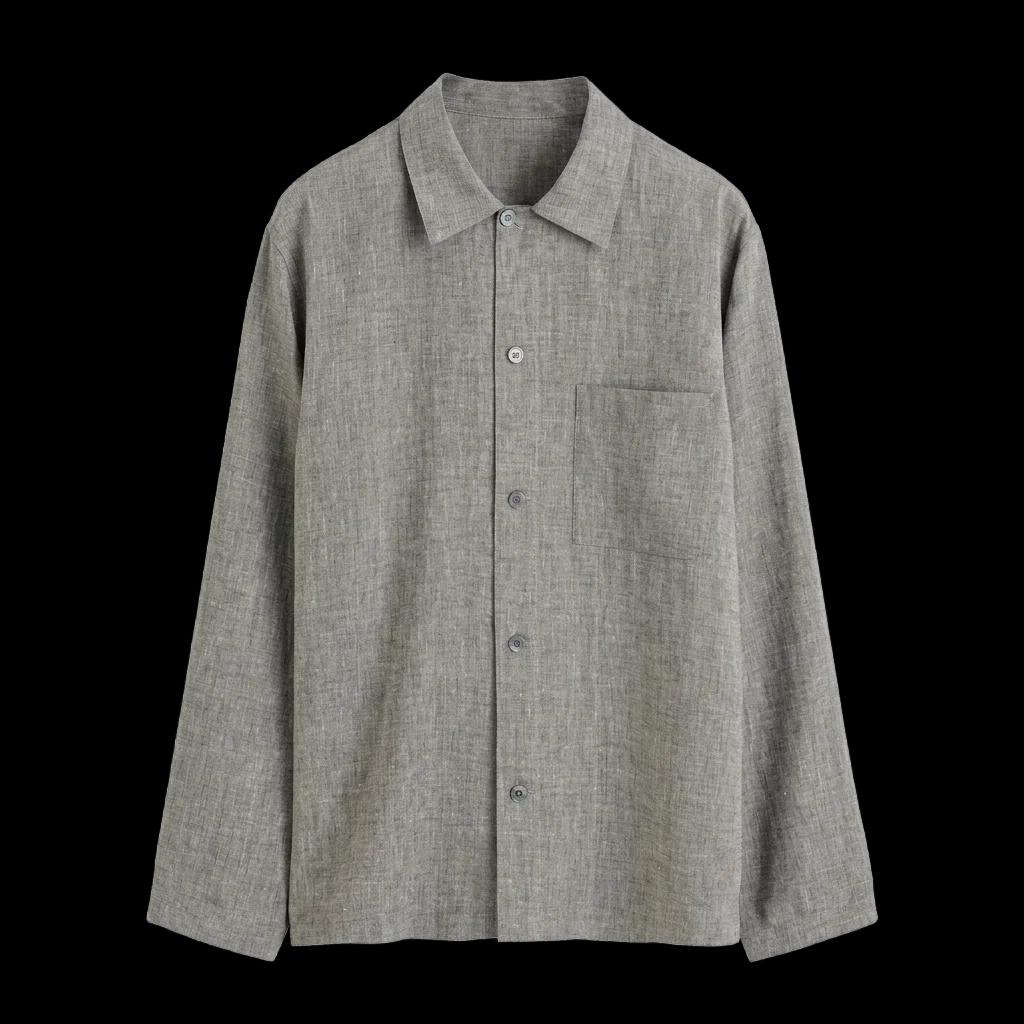
Button-Front Linen Hoodie

Linen · relaxed fit · Fine Linen
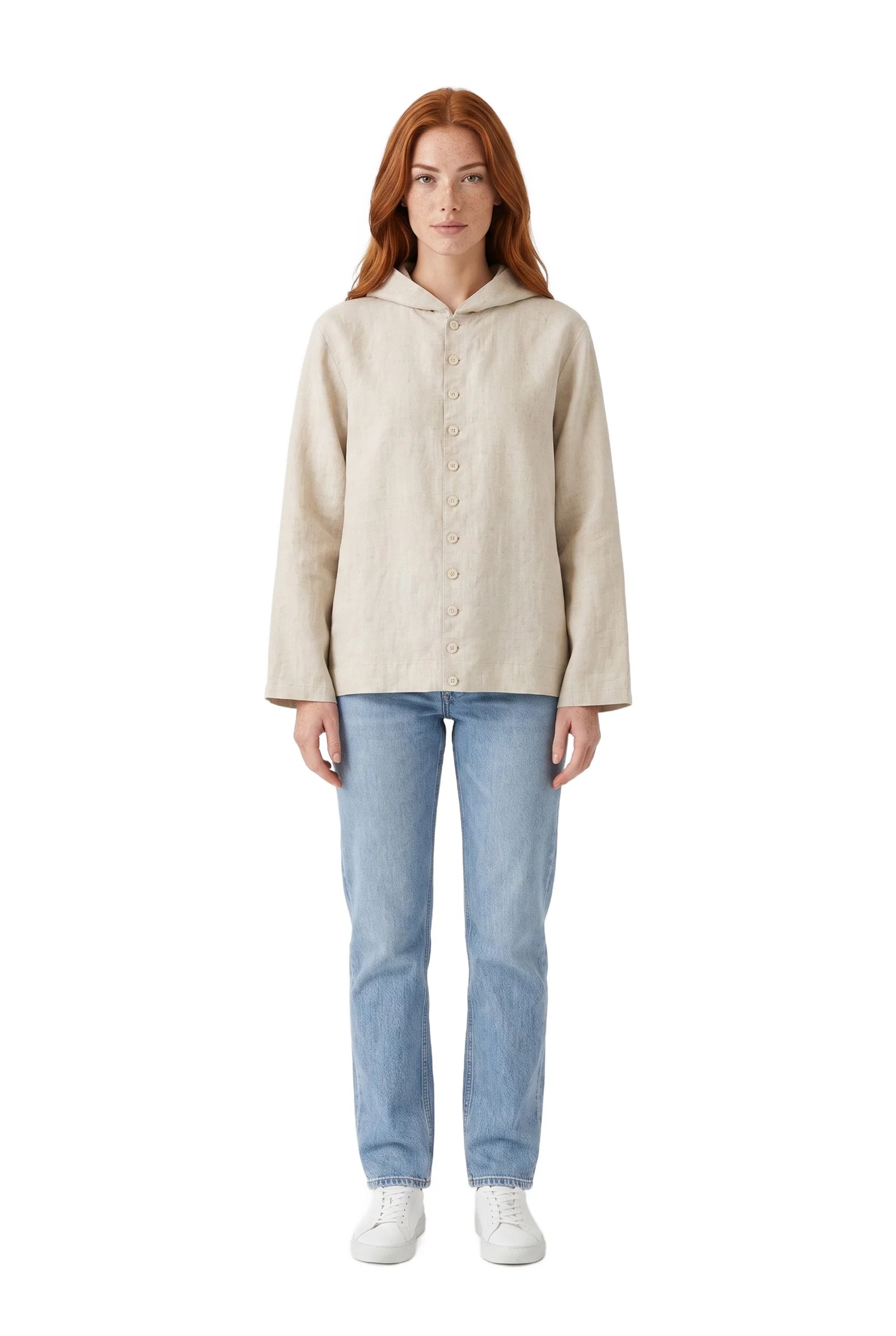
Button-Front Linen Hoodie, modelModel
GradePer unit at 100
ColourNatural
QuantityNo minimum · order from 1

Add 200 more to pay $40.91 / unit.

Size run ·
Customise

Gabi designs your changes in the Studio, then you order the finished piece. ORDER below makes it as shown.

Delivery
Lead time confirmed with your orderShipping is priced at checkout from your address.
Premium · Natural × 100$47.05 / unit
ShippingAt checkout
Total, before shipping$4,705
Get a team quote

What's included at $47.05

  • Button-Front Linen Hoodie, Premium grade (Fine Linen)
  • Made to order in Natural
  • Your size run, as set above
  • Replaced if anything arrives faulty

Shipping is priced at checkout from your address.

Make it yours

Your logo on the chest, a woven label, a back print, a colour from your brand book: Gabi designs the changes with you in the Studio and prices the finished piece before you order it. Your logo file goes on as you supply it.
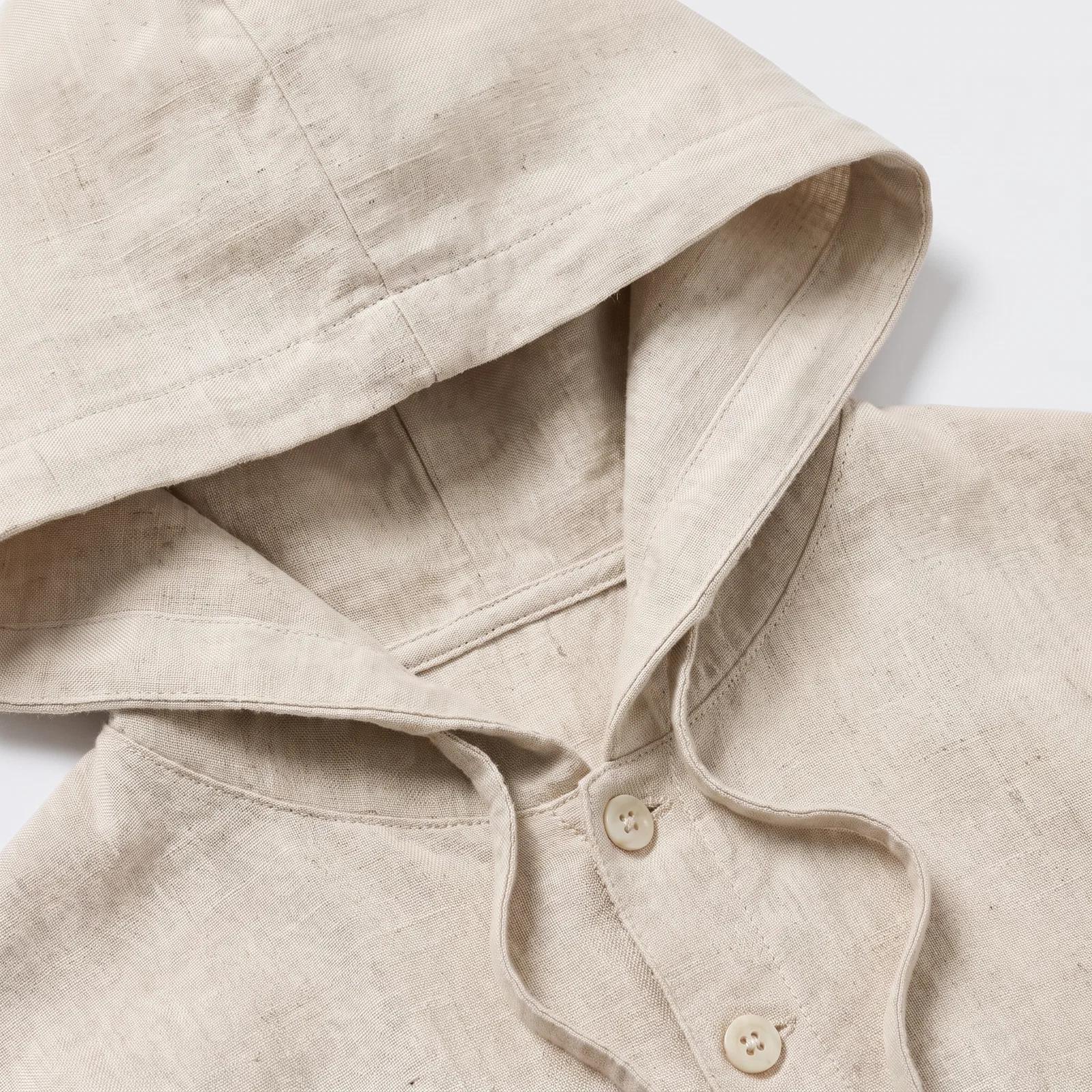
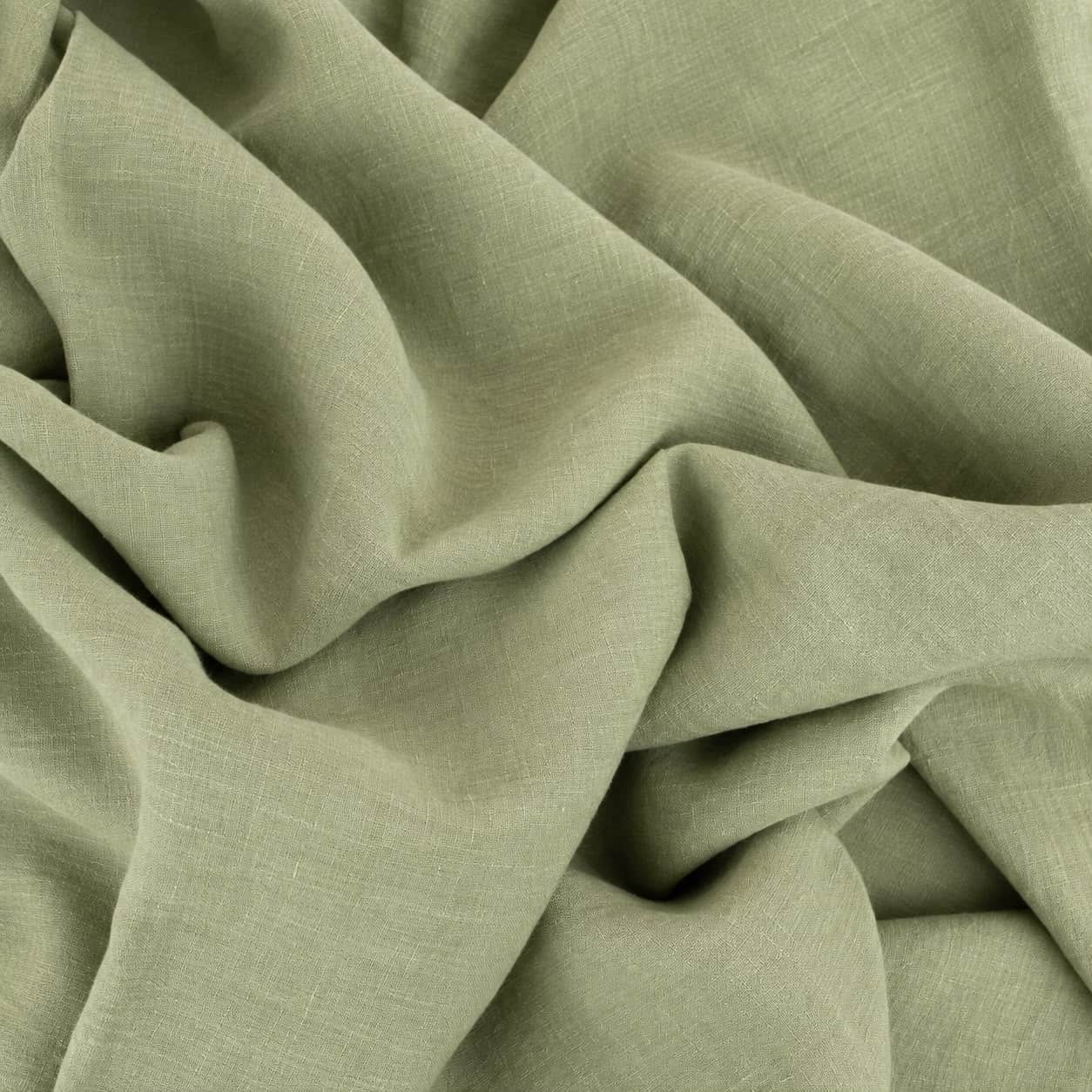
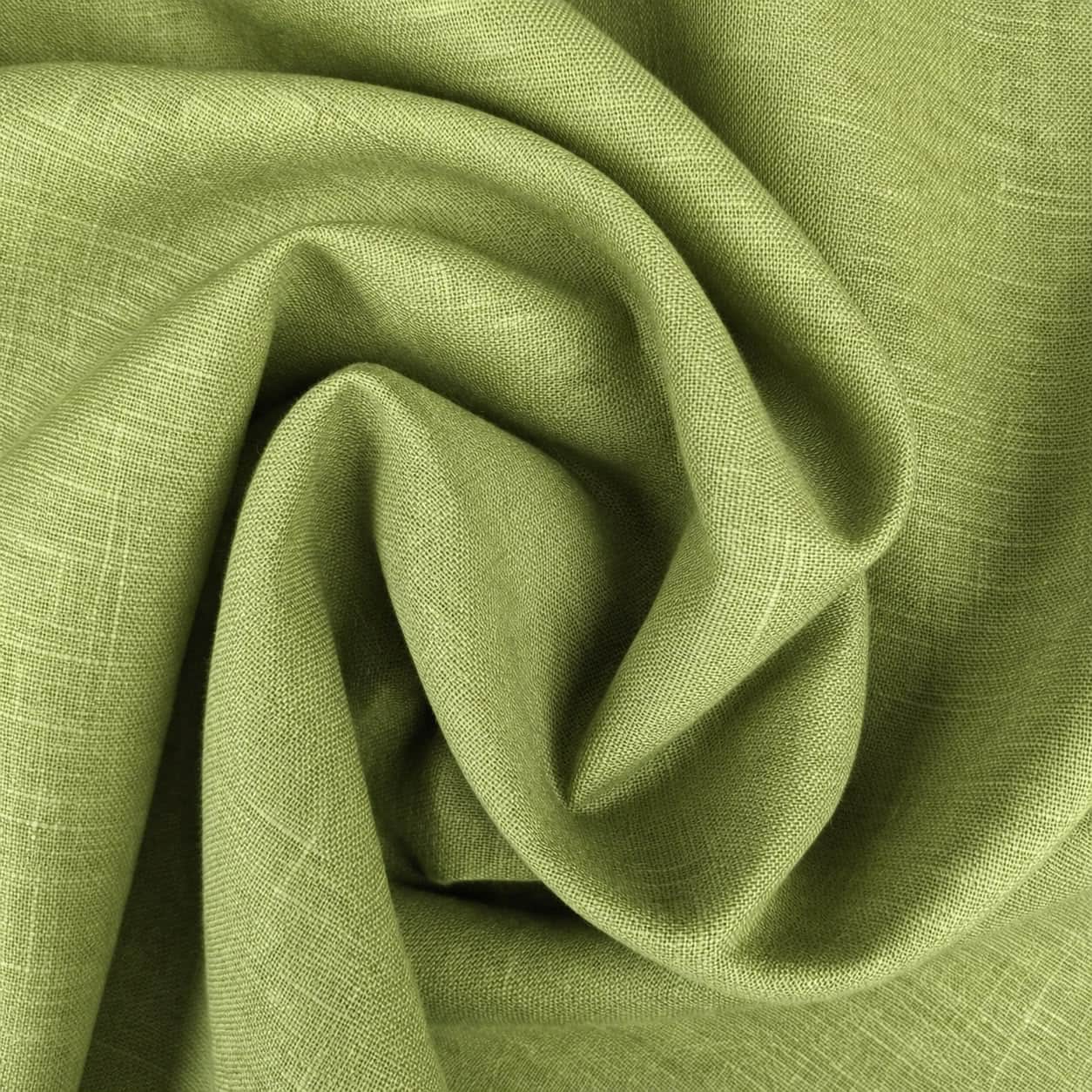
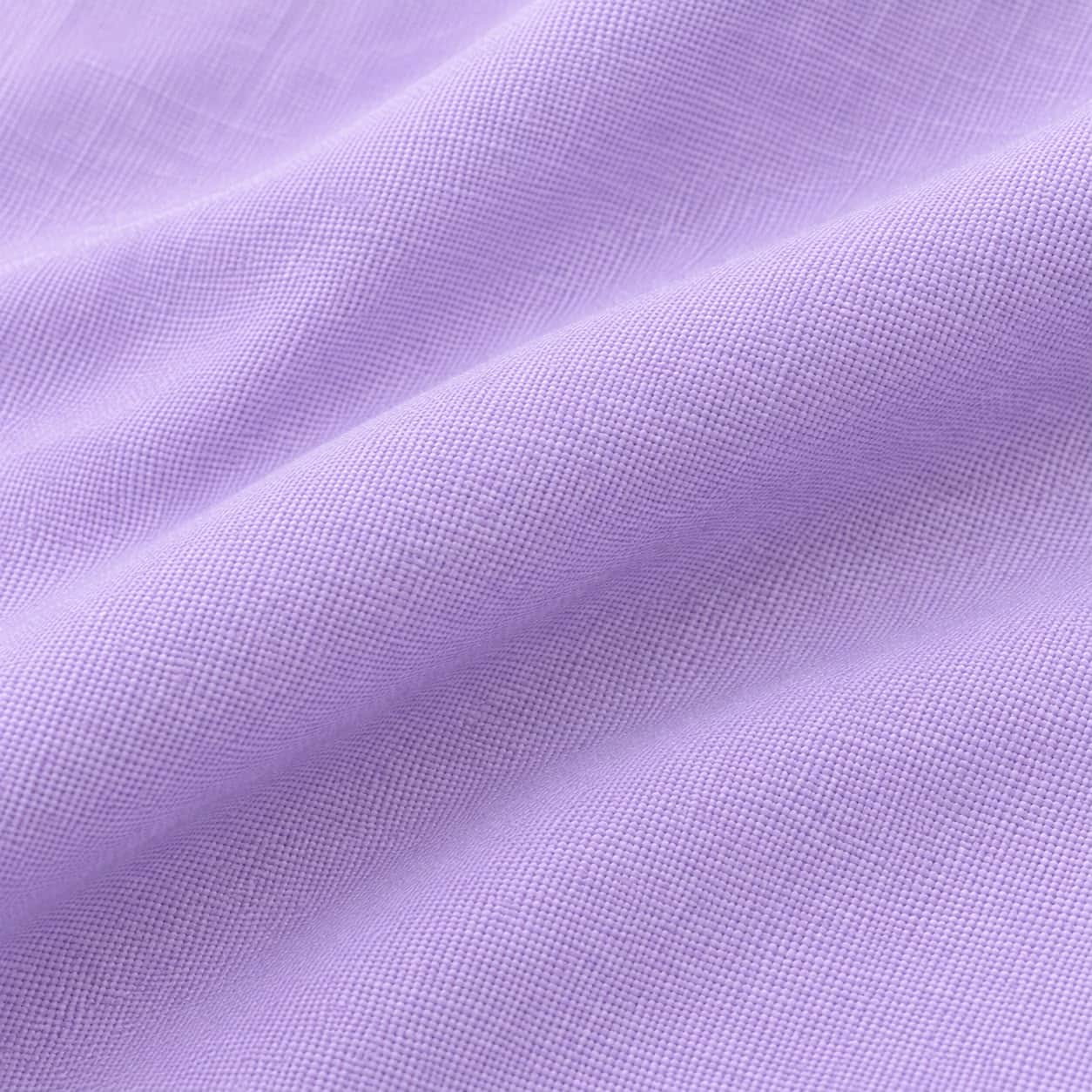
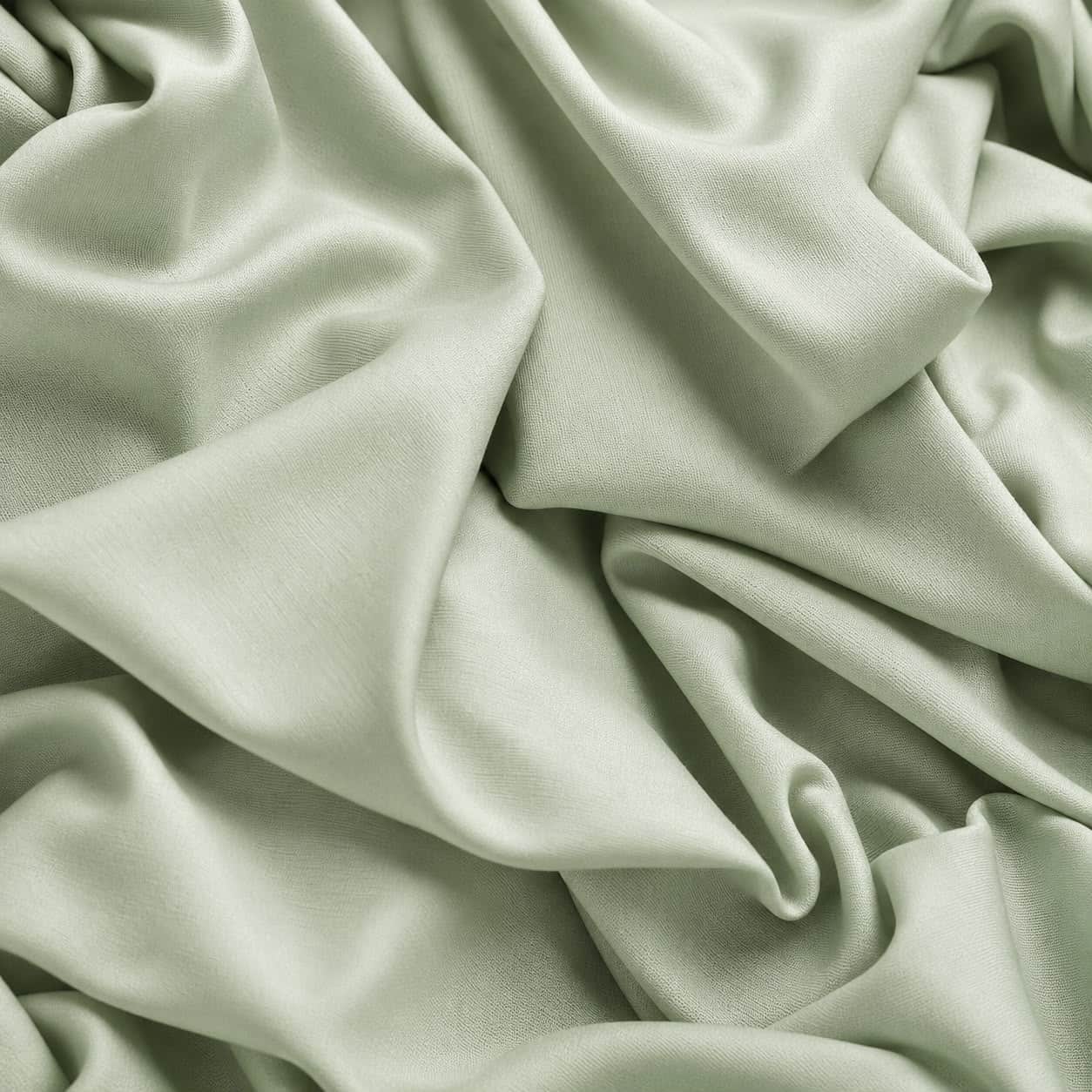
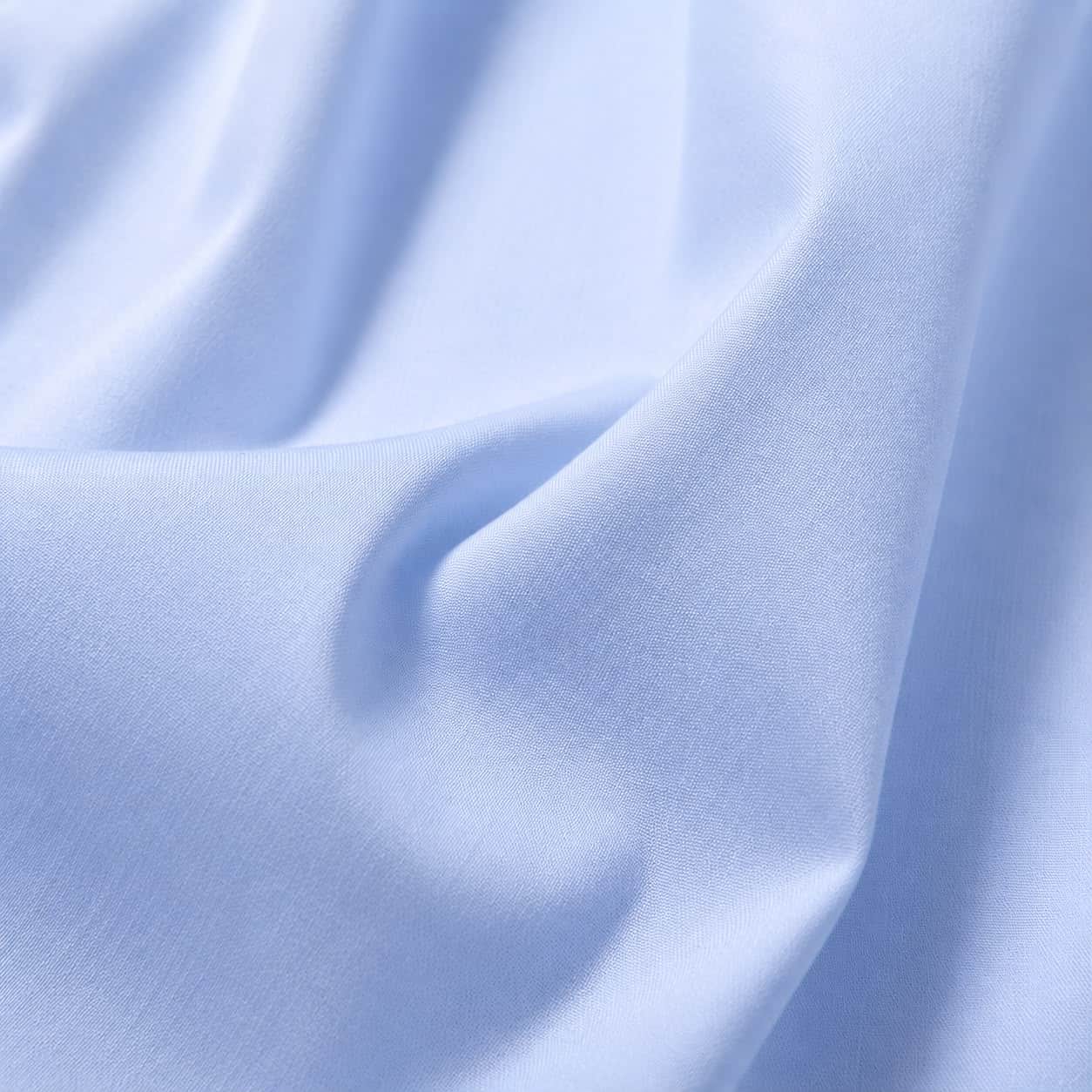
Button-Front Linen Hoodie, close-upClose-upFabric and finish
Replaced if faultyMade to order, so no change-of-mind returns. Anything that arrives damaged or defective, we make right.
Try one firstOne unit in Premium, made like the run, through the same checkout.

A boxy, straight-bodied jacket with a regular length and a straight, double-turned hem. An attached two-piece hood sits above a seven-button center-front placket, while drop shoulders and set-in sleeves end in plain, double-turned cuffs. The relaxed cut hangs away from the torso in a fine linen weave.

Specs

GradePremium, Fine Linen
Main Fabric100% Linen, 180gsm
FitRelaxed
SilhouetteBoxy, relaxed fit
LengthRegular
NecklineAttached two-piece hood
SleeveSet-in drop sleeve
HemStraight, double-turned
Closure7-button center front placket, approx 15mm buttons
CareMachine wash at 30°C on a gentle cycle, Wash separately for the first few washes — the finish may transfer, Do not bleach
Minimum orderNone, from 1 unit

Size guide

cmXXSXSSMLXLXXL
Bust48.55153.55658.56163.5
Length56586062646668

The garment measured flat: compare it with one you own.

Encyclopedia

The hoodie wasn't born in a streetwear lab or a Silicon Valley boardroom.

It's over 3,000 years old — worn by monks, laborers, and rebels long before Champion stitched the first modern version in the 1930s. Today it's a $200 billion global market. And still, nobody owns the design. The most powerful garment in the world is completely open source — and yet a handful of giants keep all the money. That's the monopoly Sparkit is here to break.

Read the story

Fabrics

Encyclopedia

The story of the Button-Front Linen Hoodie

The hoodie wasn't born in a streetwear lab or a Silicon Valley boardroom. It's over 3,000 years old — worn by monks, laborers, and rebels long before Champion stitched the first modern version in the 1930s. Today it's a $200 billion global market. And still, nobody owns the design. The most powerful garment in the world is completely open source — and yet a handful of giants keep all the money. That's the monopoly Sparkit is here to break.

$200 billionMarket sizeEstimated global hoodie and sweatshirt market value
500 millionAnnual volumeApproximate number of hoodies produced globally each year
1.6mFabric consumptionAverage fabric used per hoodie vs ~0.85m for a T-shirt

The Story of a Hoodie

The hoodie did not begin as fashion. It began as protection. In ancient Greece and Rome, laborers wore hooded cloaks to shield themselves from sun, wind, and rain. In the Middle Ages, monks adopted the hood as part of their robes — a symbol of modesty, discipline, and separation from the world. The hood carried meaning long before it carried branding.

By the 1930s, the Knickerbocker Knitting Company — now Champion — created the first modern hoodie by attaching a hood to a sweatshirt for warehouse workers and athletes training in cold conditions. They introduced reverse-weave cotton to prevent shrinkage, a construction innovation that remains a benchmark in premium hoodie manufacturing today.

The hoodie's cultural transition began in the 1970s and accelerated through the 1980s and 90s. Rocky Balboa running through Philadelphia in a grey hoodie turned it into a symbol of grit and perseverance. Hip-hop culture transformed it again — into identity, rebellion, and self-expression. The hoodie became a canvas, not just a garment.

In the 2000s, the power dynamic shifted. Silicon Valley replaced tailoring with comfort. Founders wore hoodies to boardrooms and investor meetings. The garment moved from rebellion to authority. The same silhouette meant something entirely different depending on who was wearing it.

Today, the hoodie exists across every price point — from $20 basics to $1,200 luxury runway pieces. The construction is fundamentally unchanged: a knit body, ribbed cuffs and hem, a hood, and a drawstring. What changes is everything around it — fabric quality, GSM, finishing, and brand positioning.

The hoodie is one of the most commercially powerful garments in the world because it is both universal and expressive. Everyone owns one. No one owns the design. The barrier is not invention. It is execution.

Questions

Pilling is caused by fiber friction, especially in fleece fabrics. Prevent it by specifying anti-pill treatment, using combed ring-spun or long-staple cotton, and avoiding polyester blends above 20%. Anti-pill finishing is one of the highest ROI upgrades in hoodie production.

100 × Premium · Natural

$4,705

SHOPPING BAG

(0 items)