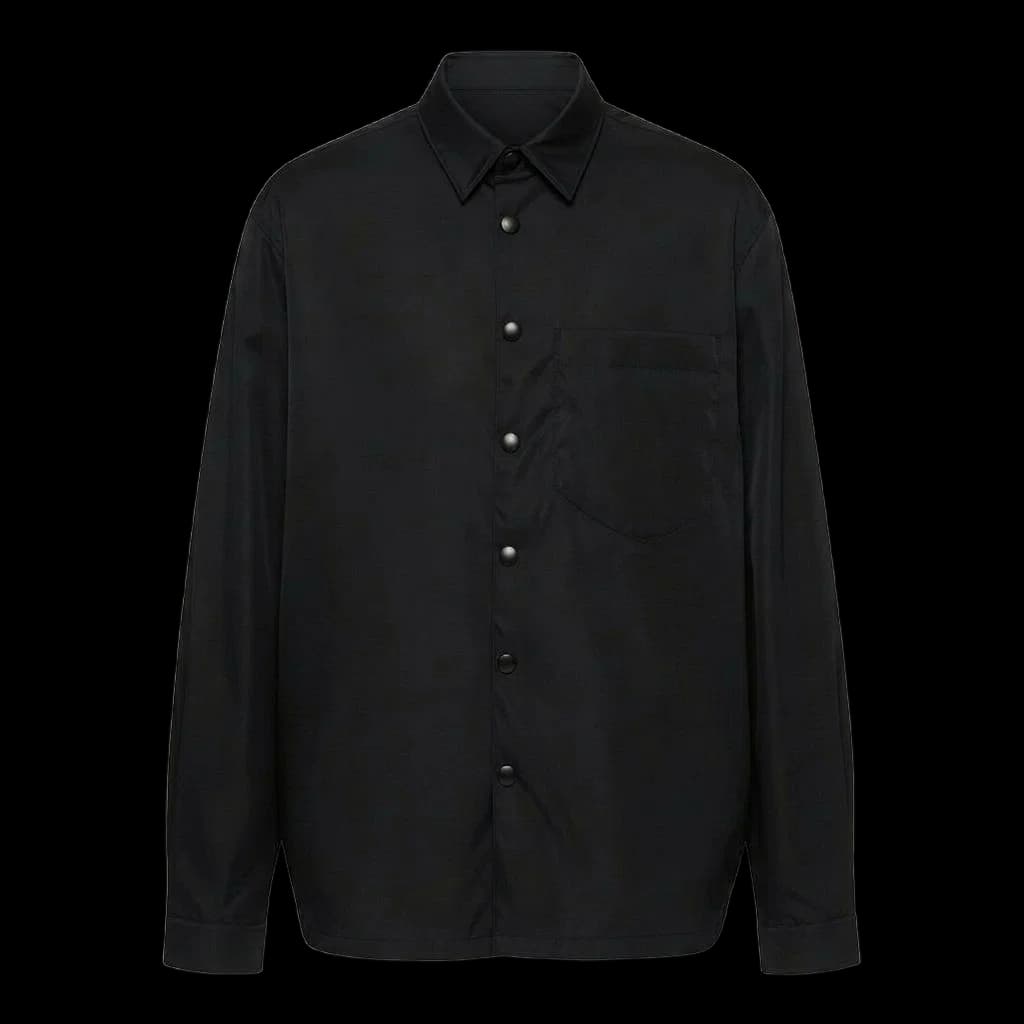
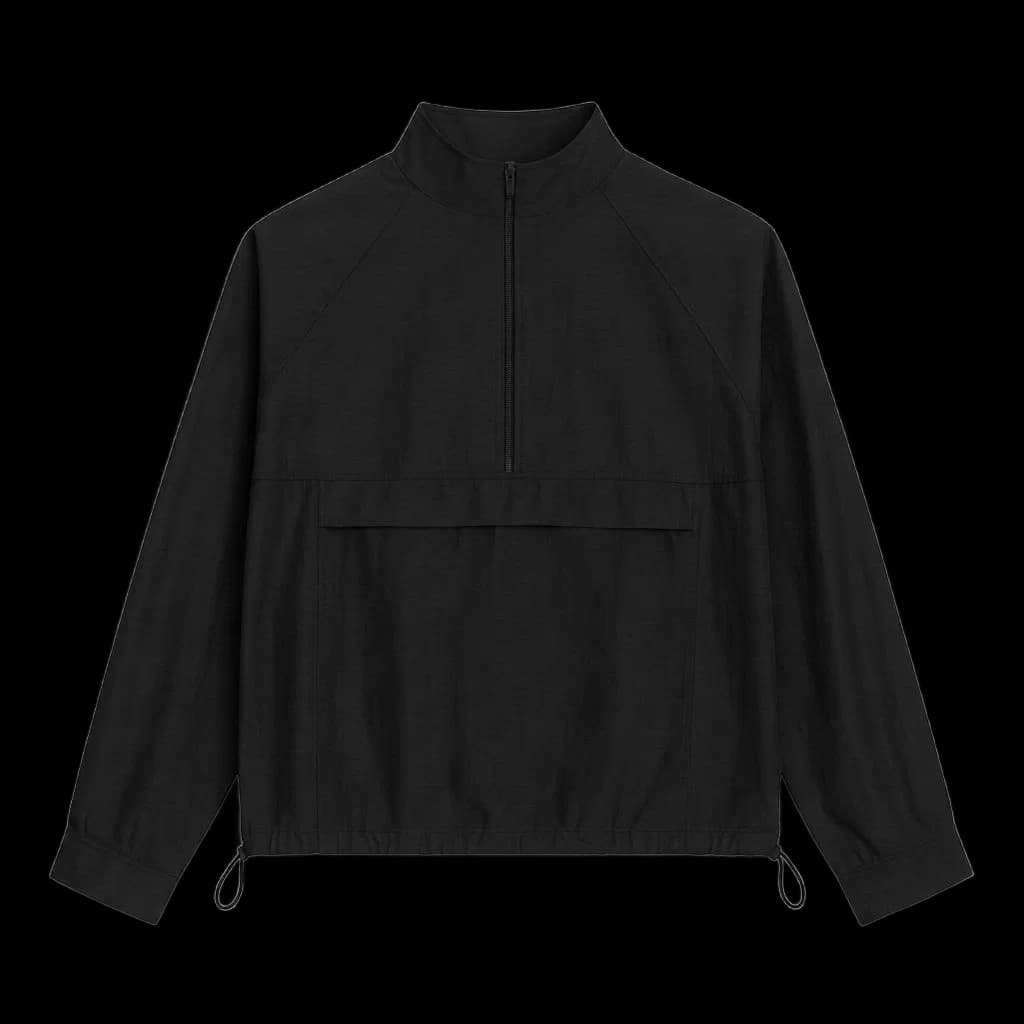
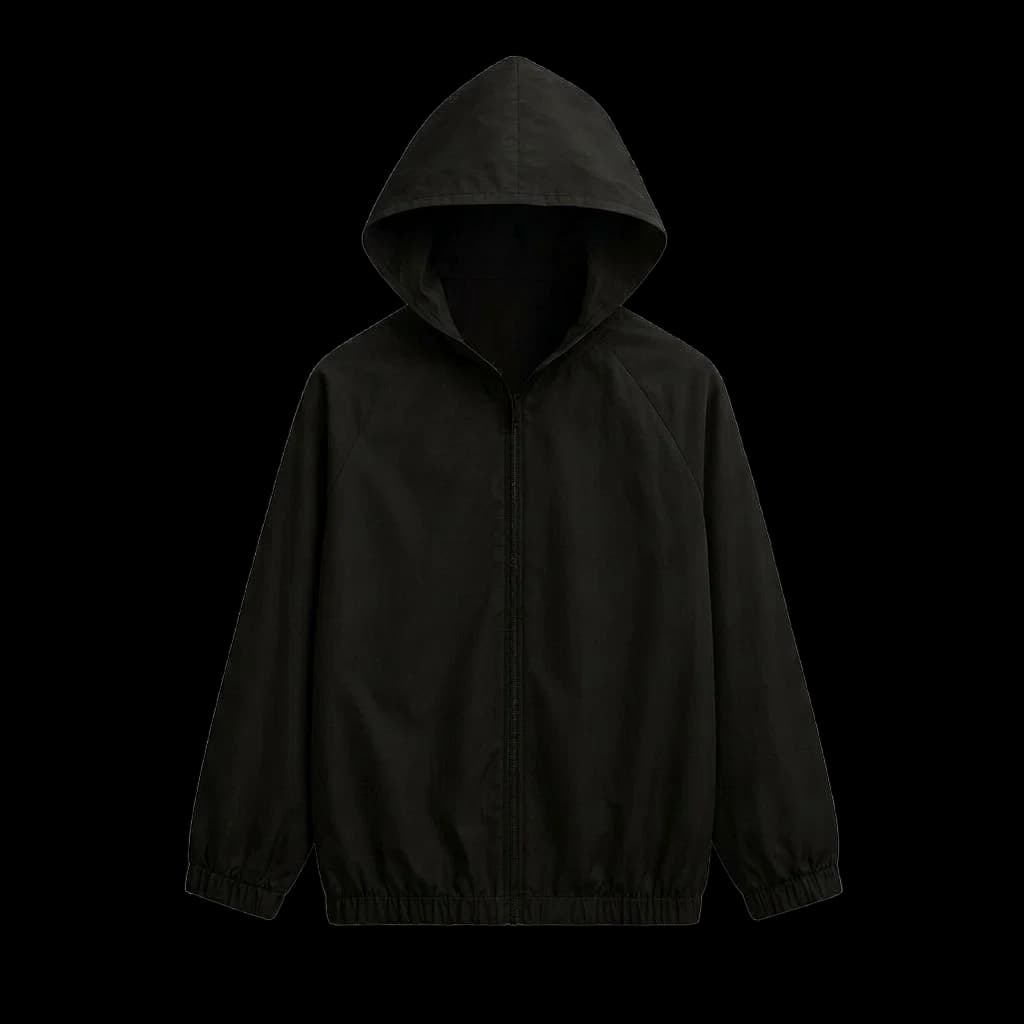
The coach jacket started on baseball dugout benches in the 1950s. It went to hip-hop videos in the 1980s. Supreme put its box logo on one in 1997 and charged $88. Hedi Slimane put one on the Celine runway in 2019 and charged $1,200. The construction has not changed in 70 years: one layer of nylon, a zip, two pockets, a collar. The simplest jacket in outerwear. The most restocked item in streetwear.
1997Streetwear benchmarkSupreme turned the coach jacket into a core branded streetwear format
$1,200Luxury translationHedi Slimane's Celine runway version proved the same construction could sit at luxury price points
$32–78Entry-point advantageThe landed cost range makes it one of the most accessible outerwear categories to produce
The Story of the Coach Jacket — "The Simplest Jacket That Refuses to Be Simple"
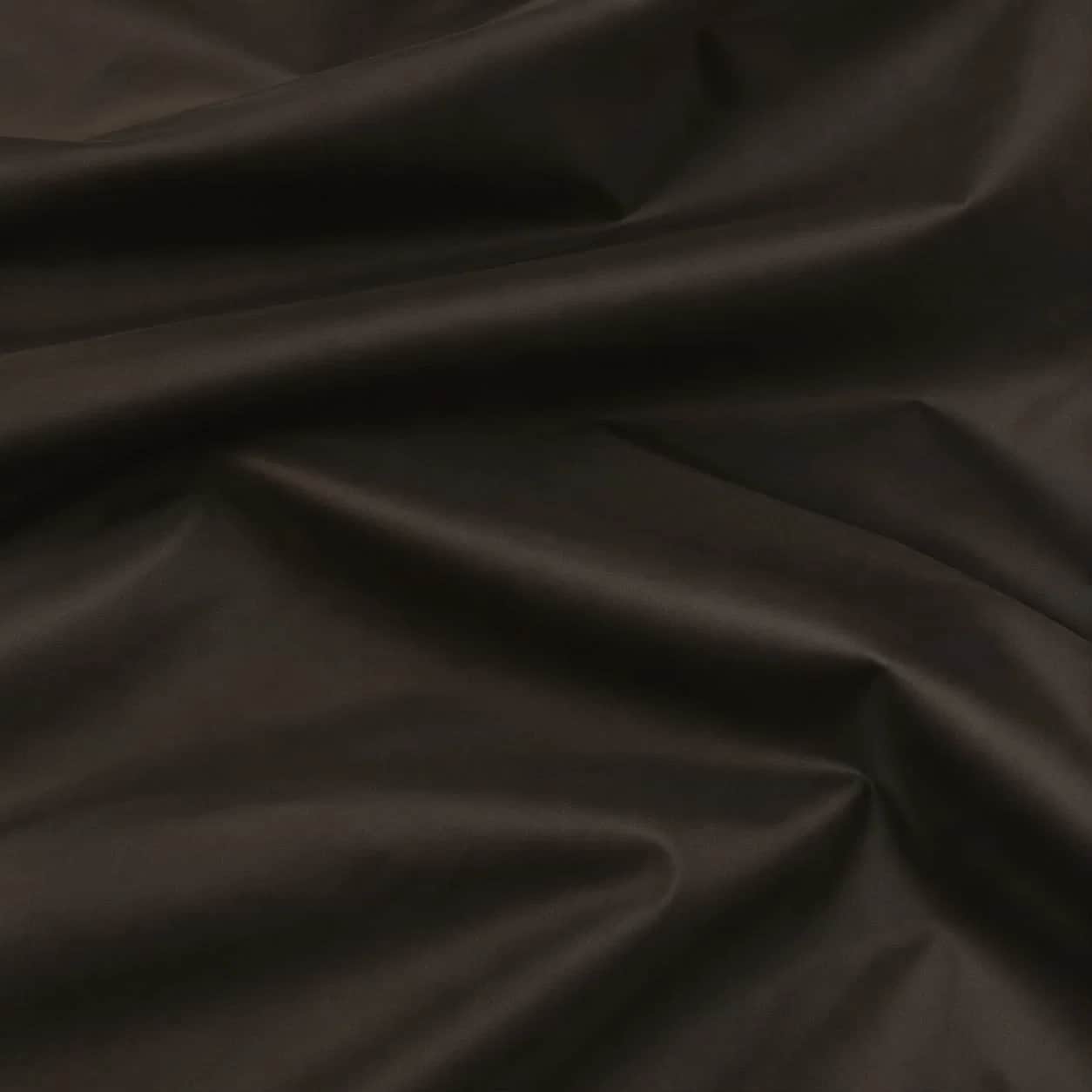
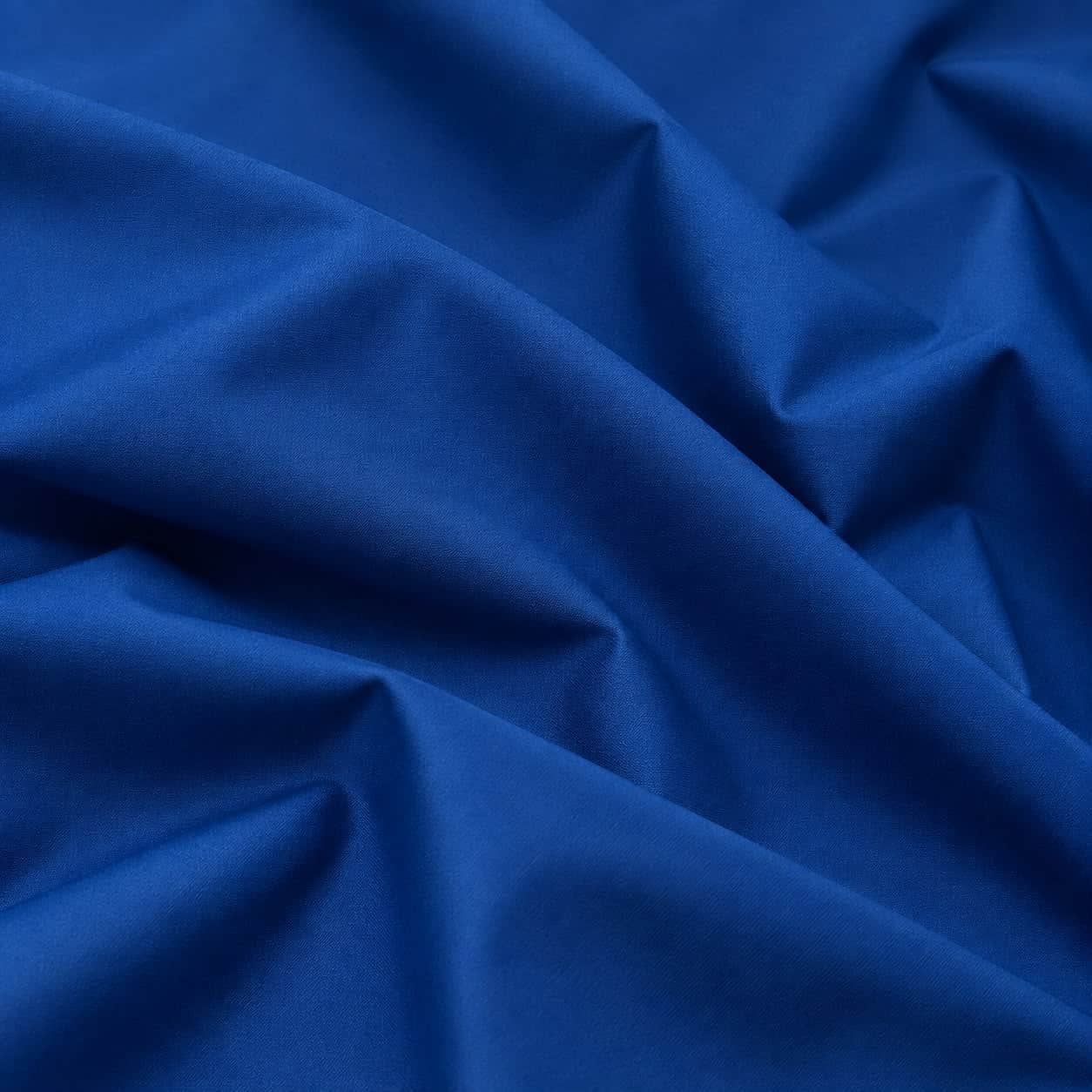
The coach jacket is defined by what it does not have. No lining. No insulation. No structural padding. No complex collar construction. It is a single layer of woven fabric — nylon or polyester — shaped into a hip-length jacket with a zip front, two pockets, and a stand collar or shirt collar. The construction is among the least technically demanding in the outerwear family. And yet the coach jacket has accumulated more cultural capital per square metre of nylon than almost any garment in contemporary fashion.
The origin is unambiguously American sporting culture. Baseball coaching staff wore lightweight zip-front jackets on the dugout bench from the 1950s onwards — practical outer layers that could be put on and removed quickly, were durable enough for daily use, and bore the team's colours and name. The satin baseball jacket — technically a close relative, with a wool body and leather sleeves — had been in use since the 1920s, but the all-nylon coach jacket was simpler, cheaper, and more functional as a lightweight layer. It spread from baseball to other American team sports and became standard equipment in school and college athletic departments by the 1960s.
The garment's transition from sporting function to street culture followed the same path as many American athletic garments: through the hip-hop community in New York in the early 1980s. As tracksuits, sneakers, and athletic brands became the visual vocabulary of hip-hop style, the coach jacket moved with them. Its clean lines, bold colour options, and surface area available for embroidery, printing, and customisation made it an ideal canvas. By the mid-1980s it was appearing in music videos, on album covers, and in the emerging streetwear market that was beginning to formalise around brands like Stüssy and the nascent Supreme.
Supreme's relationship with the coach jacket is one of the most commercially documented in streetwear. The brand has produced coach jacket drops in collaboration with virtually every major cultural partner it has worked with — from Louis Vuitton to The North Face to NFL teams to individual artists. The format is consistent: nylon shell, zip front, two pockets, Supreme branding, and a collaborator's graphic or logo. The production is simple. The cultural value is entirely in the branding and the collaboration. This is the coach jacket's fundamental commercial proposition: a minimal, reproducible shell that carries graphic identity without complexity.
The windbreaker is the functional cousin. Where the coach jacket is primarily a style statement with incidental weather protection, the windbreaker is engineered for weather resistance as its primary function. A windbreaker uses a technically specified shell fabric — coated nylon, ripstop, or laminate — with sealed or taped seams, a packable construction, and sometimes a mesh lining for comfort against the skin. The windbreaker originated in outdoor and sailing contexts in the 1960s and 1970s, where lightweight wind and water resistance was a genuine functional requirement.
The distinction between coach jacket and windbreaker has blurred significantly in contemporary fashion. Technical fabrics, DWR finishes, and performance-adjacent aesthetics have migrated into coach jacket briefs. Outdoor brands like Patagonia, Arc'teryx, and Stone Island have brought windbreaker-grade technical construction to fashion audiences. Acronym — the Berlin-based technical outerwear brand — designs windbreakers that function as garments for extreme conditions while retailing at prices that place them firmly in the luxury fashion market. The technical windbreaker has become a luxury category in its own right.
Meanwhile the coach jacket has gone in the opposite direction — toward maximum simplicity and graphic expression. The defining contemporary coach jacket brief is: clean silhouette, bold colour or colour block, screen print or embroidery on back, brand logo at chest. The construction is deliberately minimal. The value is in the graphic and the brand story, not the technical specification. This is a garment where the design work happens in the art department and the production work is almost secondary.
The luxury fashion market has absorbed both ends of the spectrum. Hedi Slimane at Celine brought the simple nylon coach jacket to the luxury runway — same construction as a $40 coach jacket, executed in higher-specification nylon with careful tailoring through the body, and positioned at $1,200 through the logic that luxury is as much about edit and restraint as it is about material complexity. Stone Island has built an entire brand identity around technical outerwear fabrics — their ghost-piece garment dyeing, Econyl nylon, and ice jacket phase-change constructions represent the technical windbreaker taken to its research-led extreme.
For independent creators, the coach jacket is the most commercially accessible outerwear entry point. The construction is simple enough to achieve quality at low MOQ. The surface is large enough to carry a meaningful graphic. The retail price can be competitive without sacrificing margin. And the cultural references are broad enough to serve almost any brand positioning — from heritage sport to technical lifestyle to luxury minimalism. The specification decisions are relatively few: shell fabric, colour, graphic treatment, and whether to add a mesh lining.

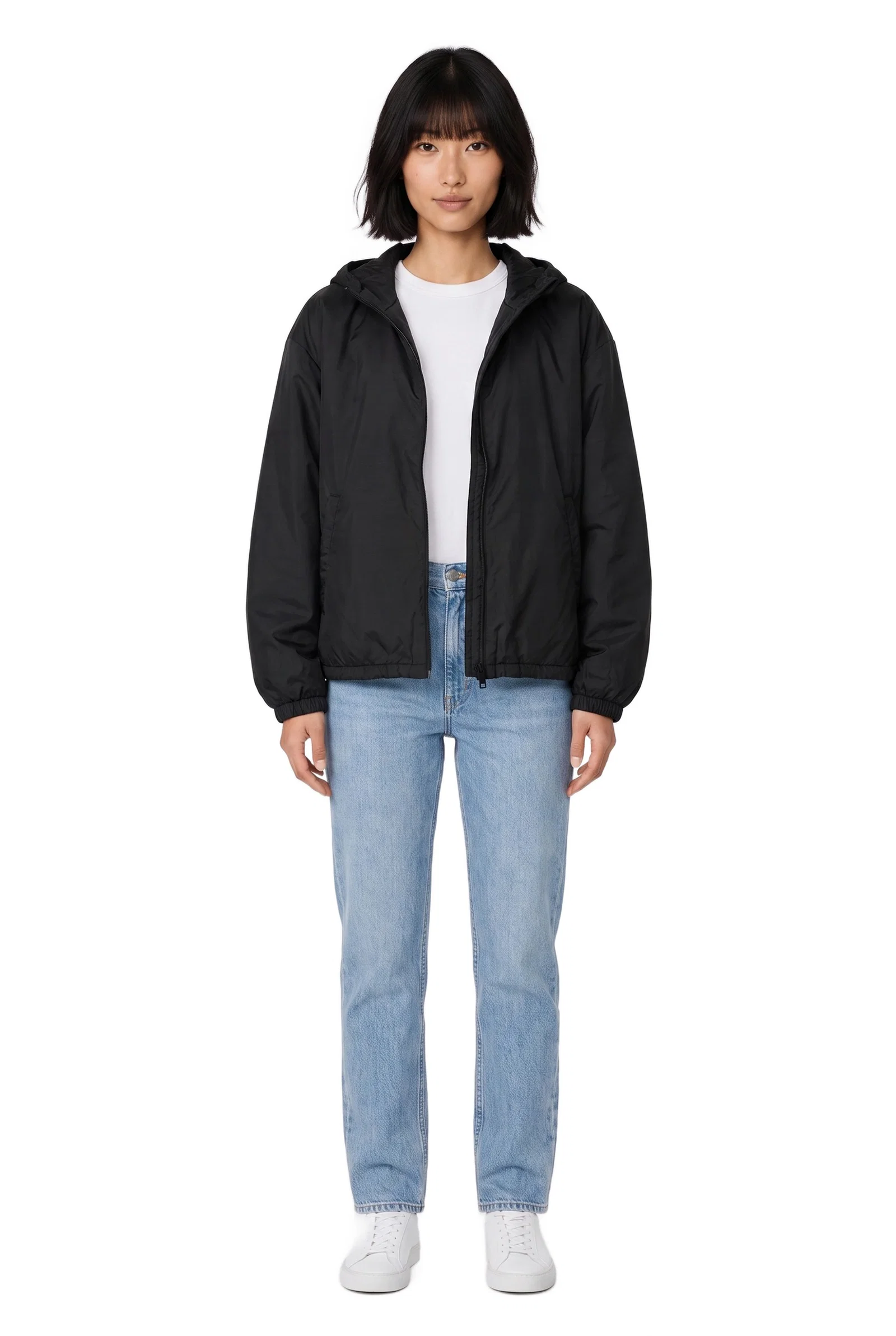 Model
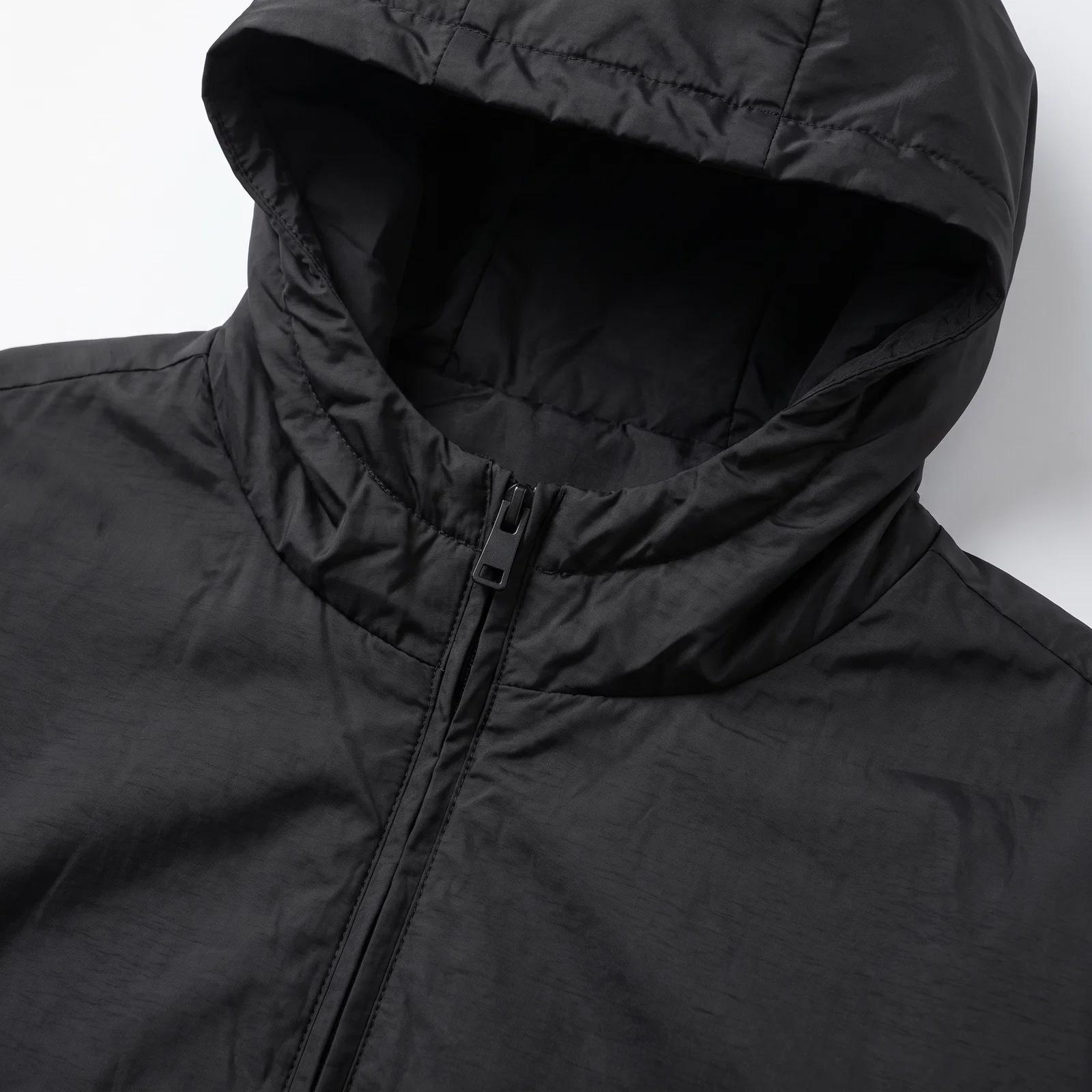 Close-upFabric and finish