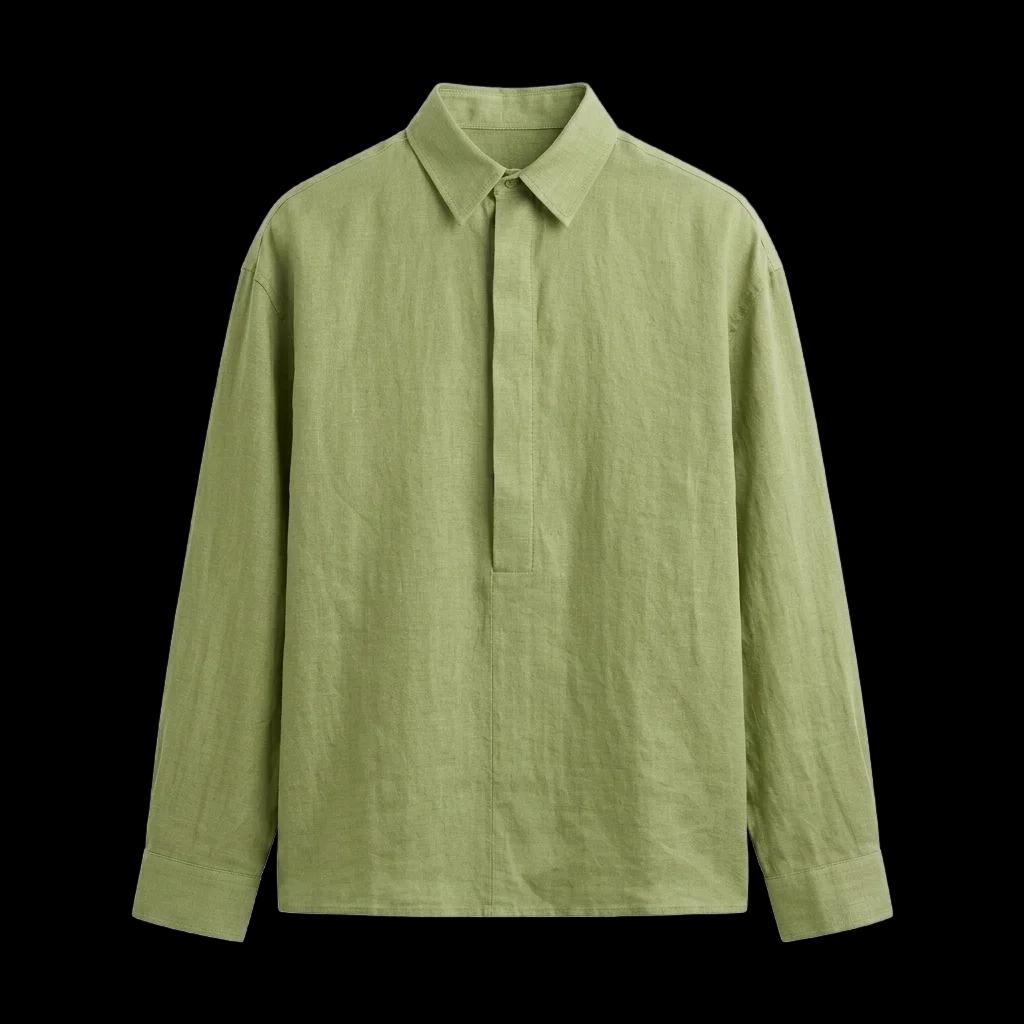
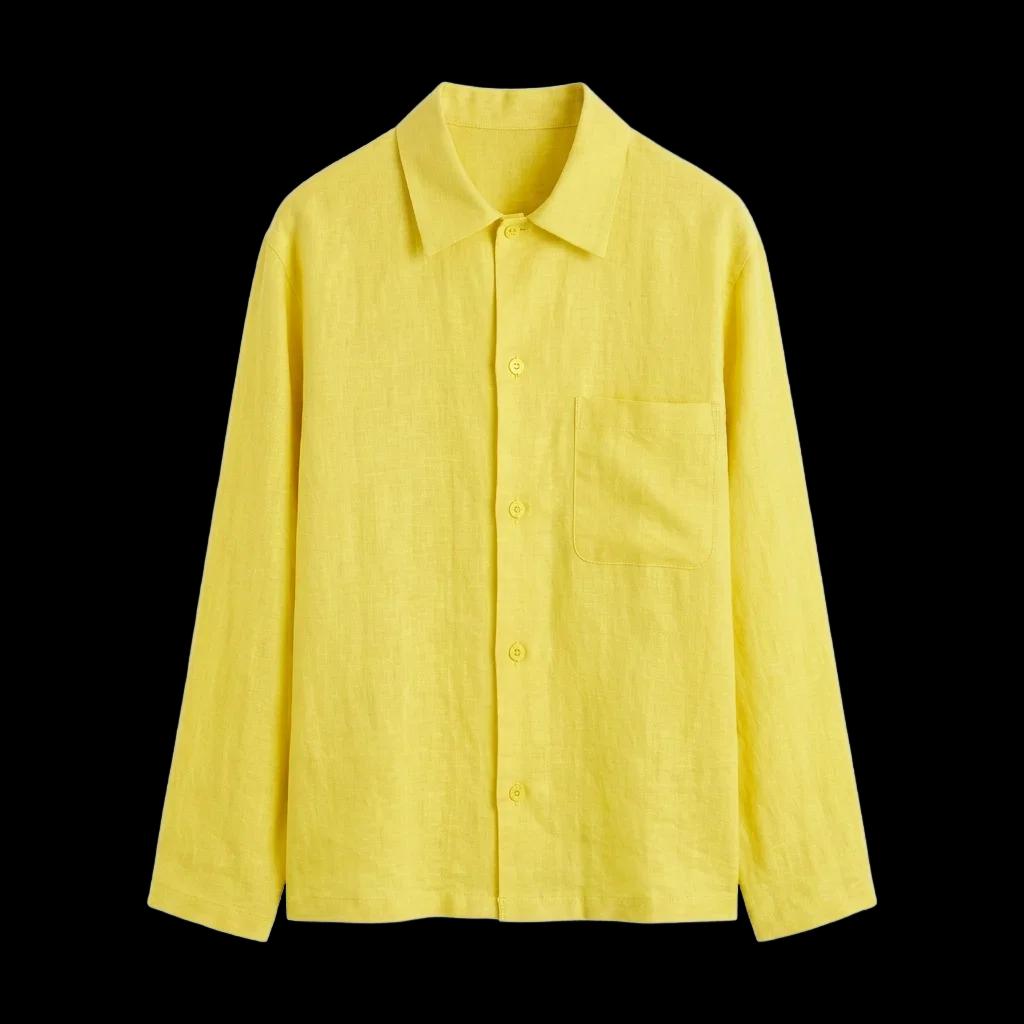
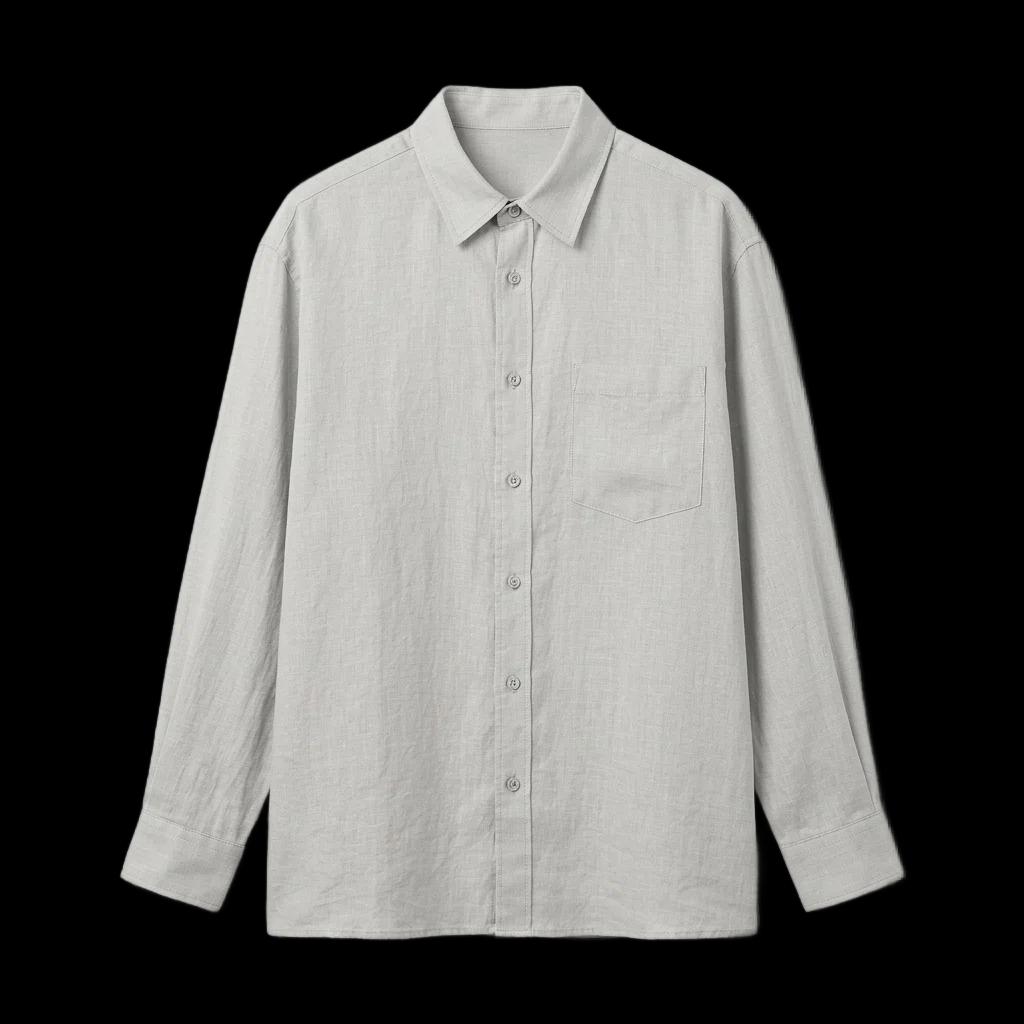
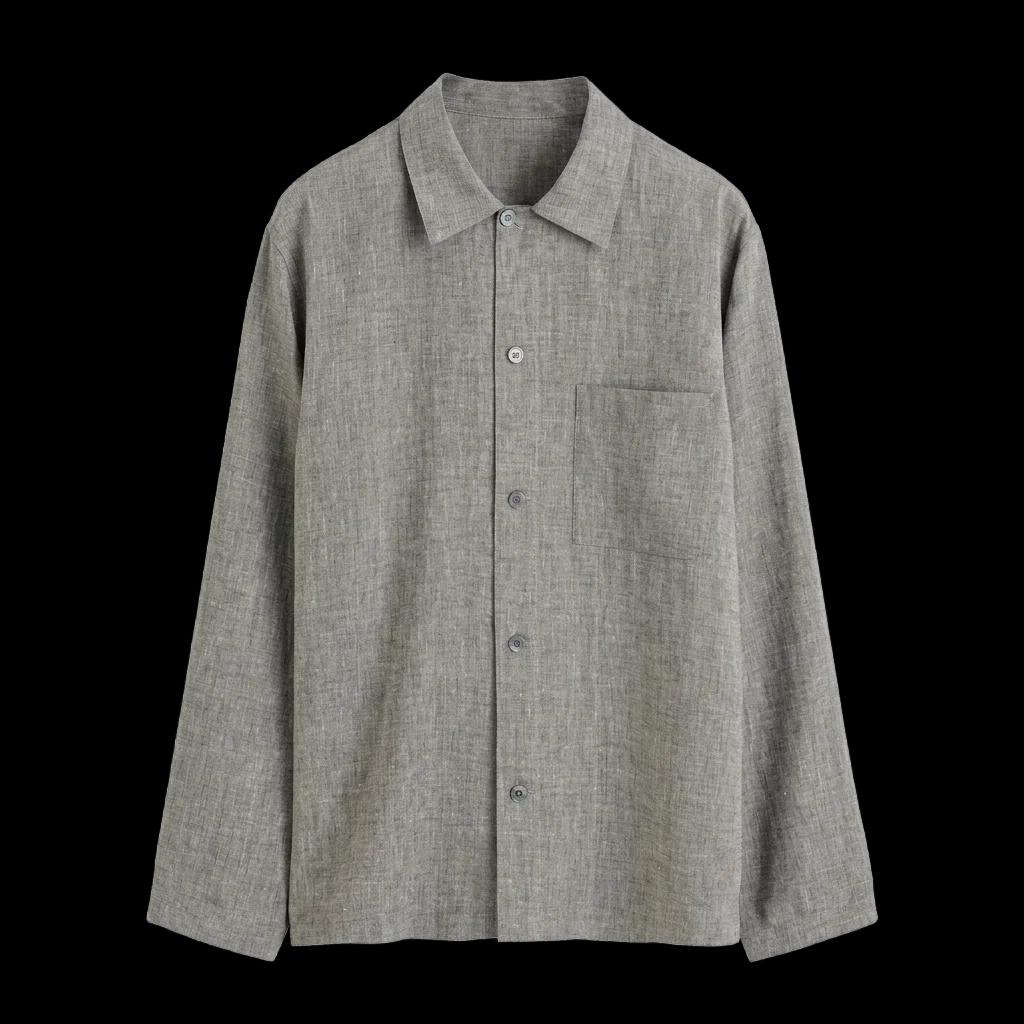
Beige Linen Utility Jacket

Linen · regular fit · 100% Linen
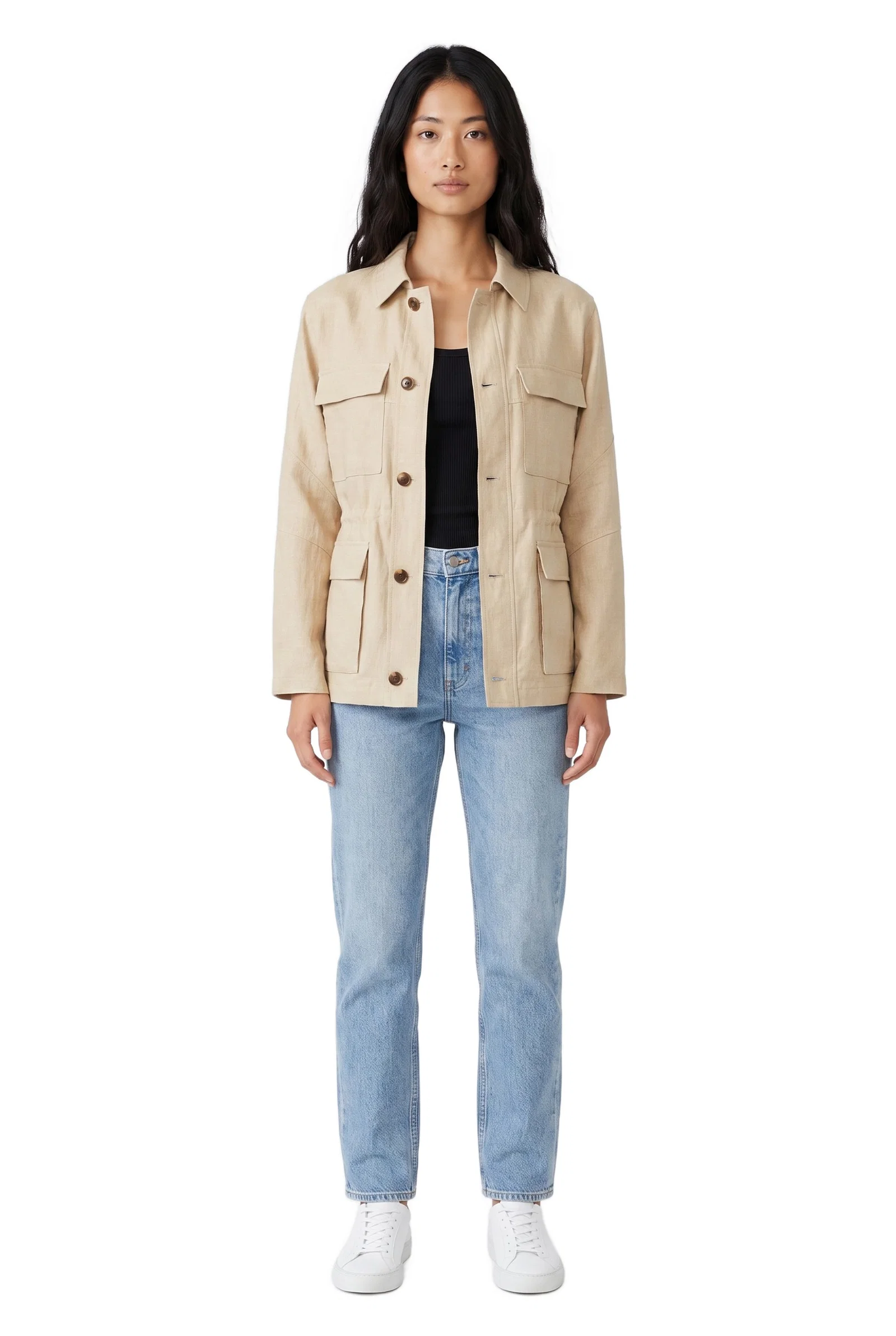
Beige Linen Utility Jacket, modelModel
GradePer unit at 100
ColourBeige
QuantityUnder 50, a $190 development fee applies

Add 200 more to pay $40.91 / unit.

Size run ·
Customise

Gabi designs your changes in the Studio, then you order the finished piece. ORDER below makes it as shown.

Delivery
Lead time confirmed with your orderShipping is priced at checkout from your address.
Premium · Beige × 100$47.05 / unit
ShippingAt checkout
Total, before shipping$4,705
Get a team quote

What's included at $47.05

  • Beige Linen Utility Jacket, Premium grade (100% Linen)
  • Made to order in Beige
  • Your size run, as set above
  • Replaced if anything arrives faulty

Shipping is priced at checkout from your address.

Make it yours

Your logo on the chest, a woven label, a back print, a colour from your brand book: Gabi designs the changes with you in the Studio and prices the finished piece before you order it. Your logo file goes on as you supply it.
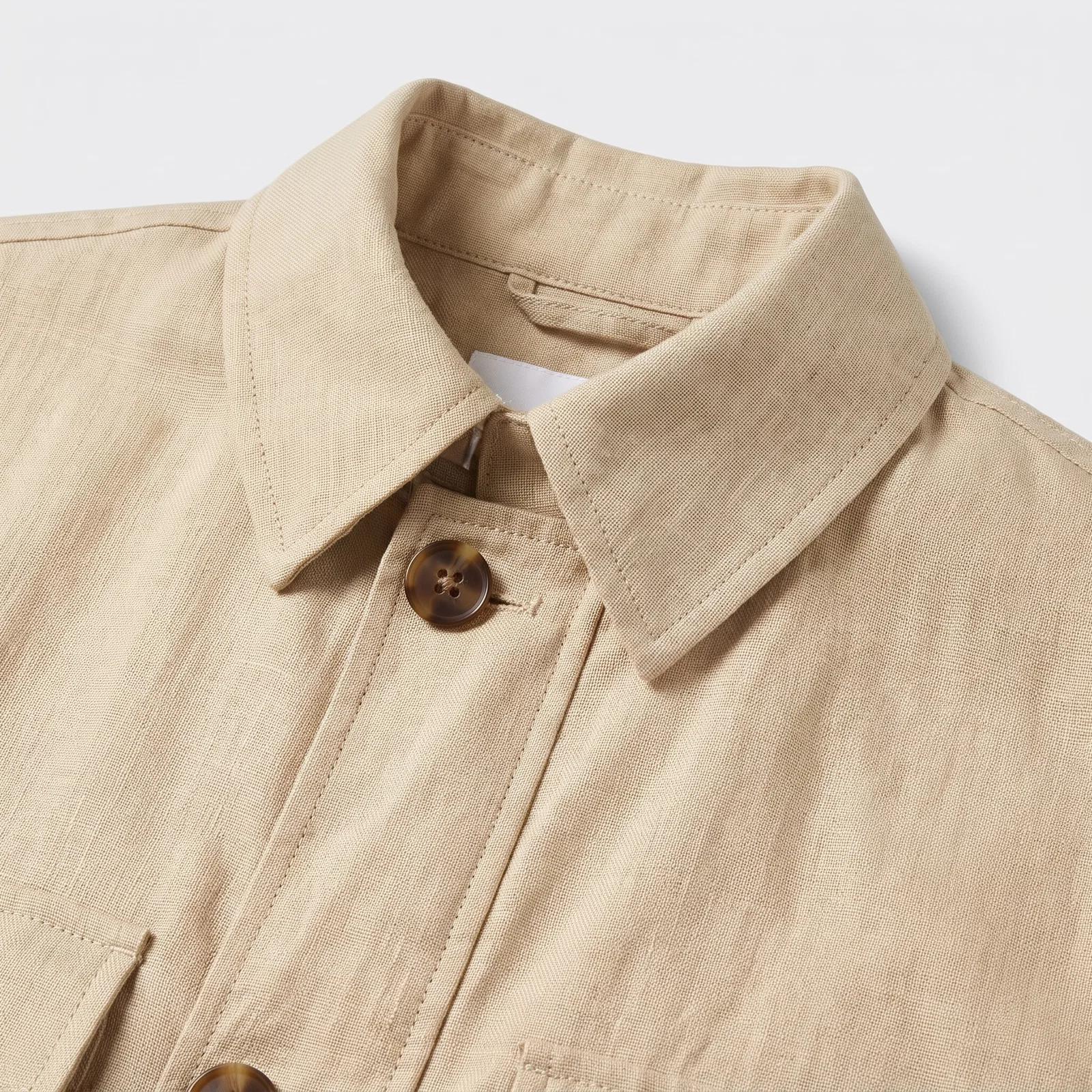
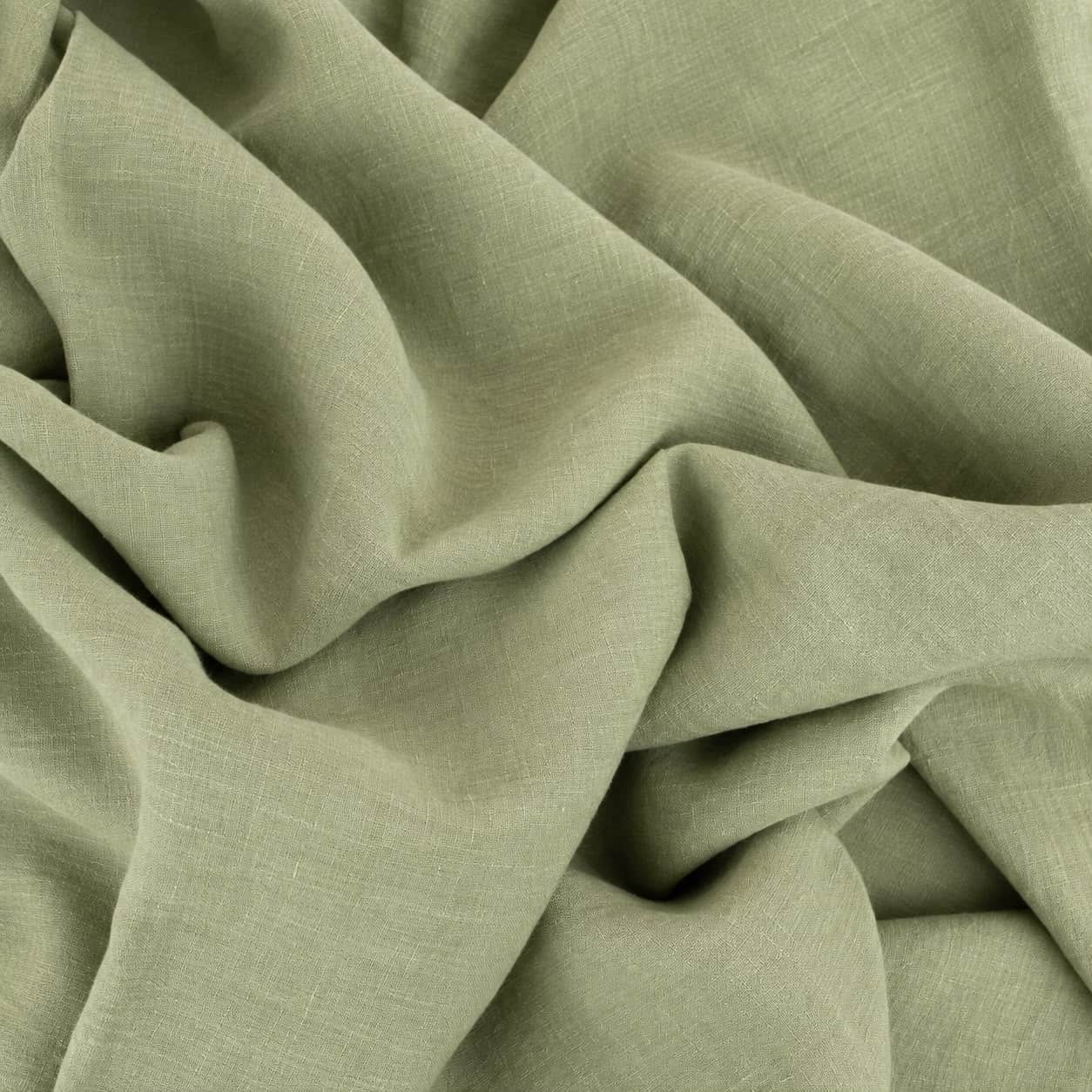
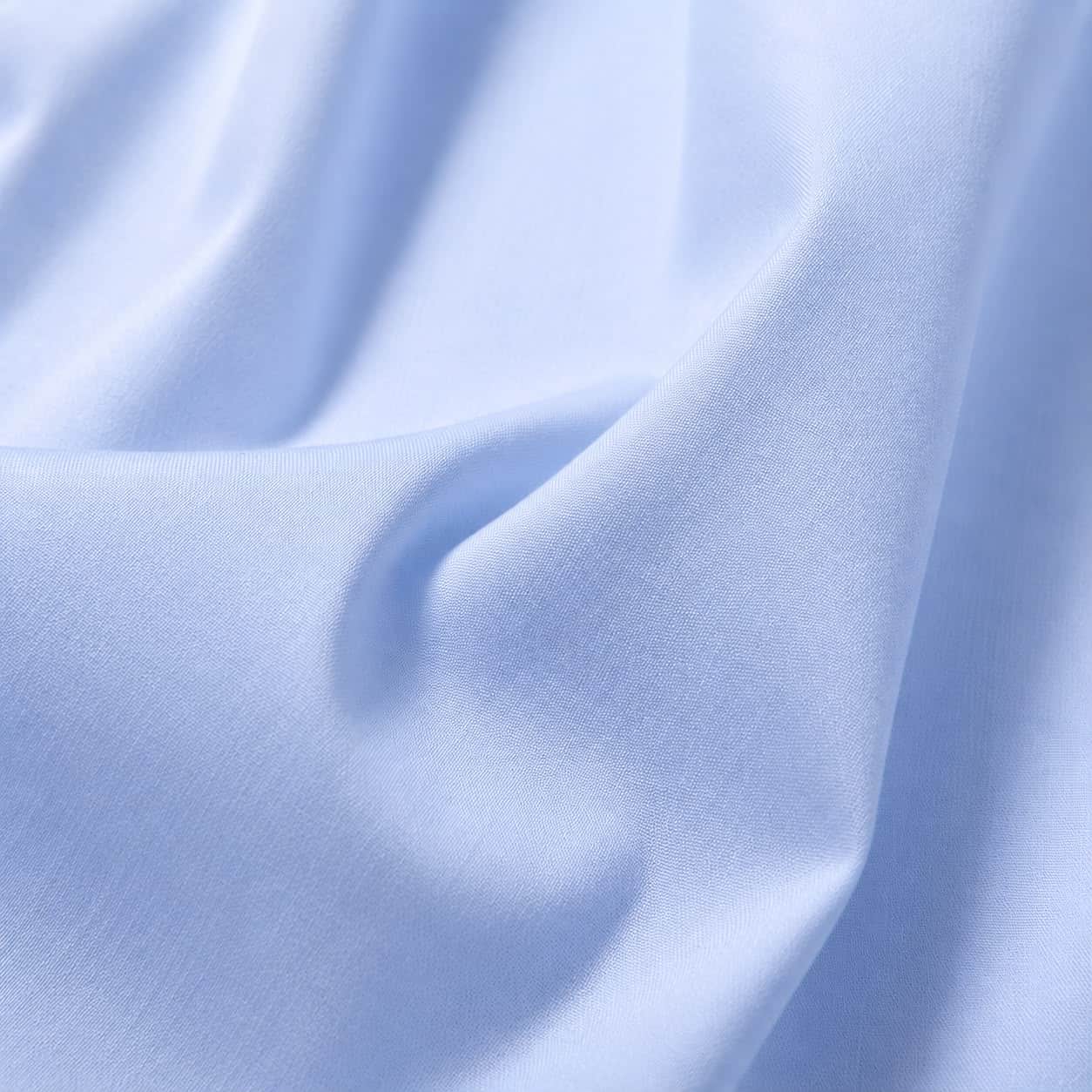
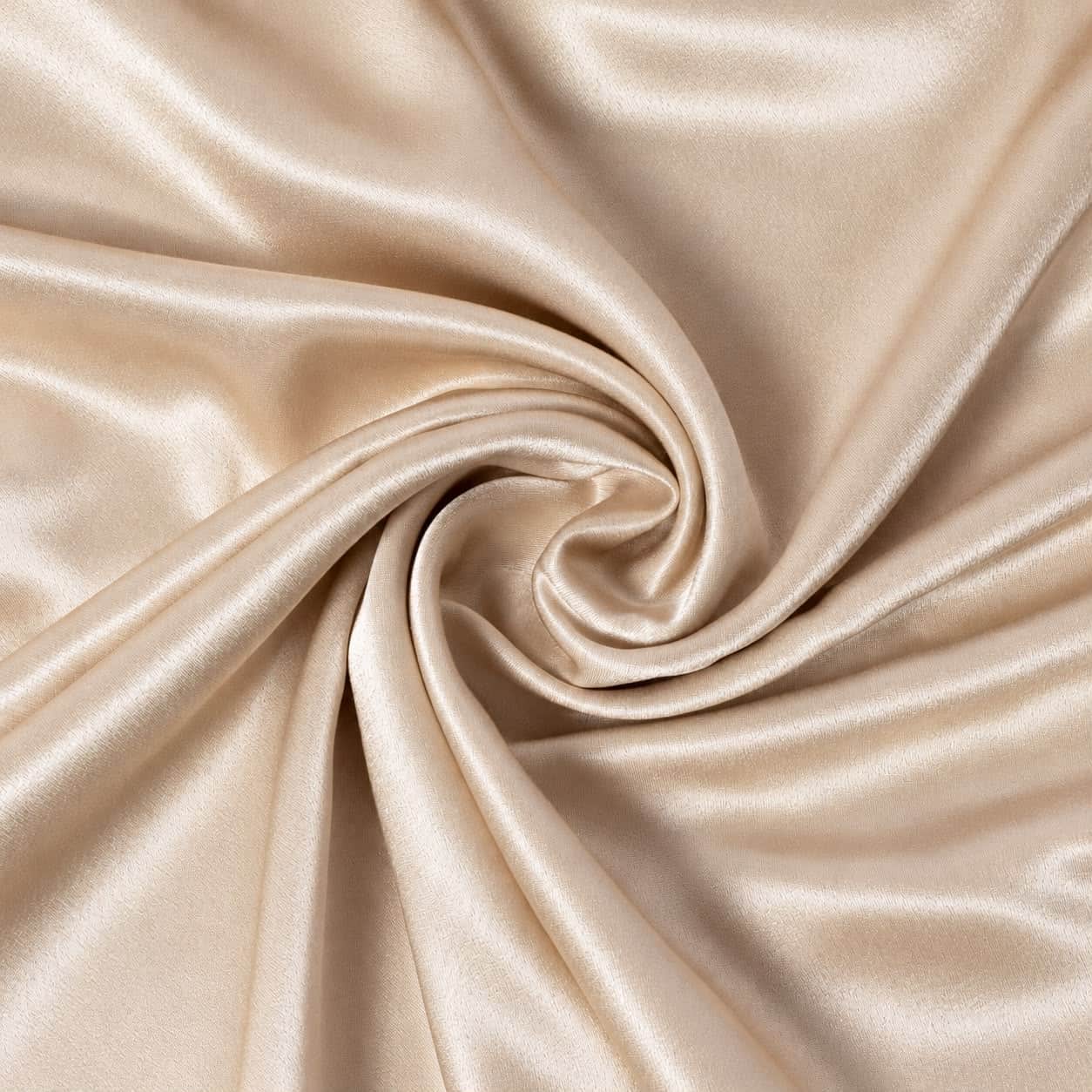
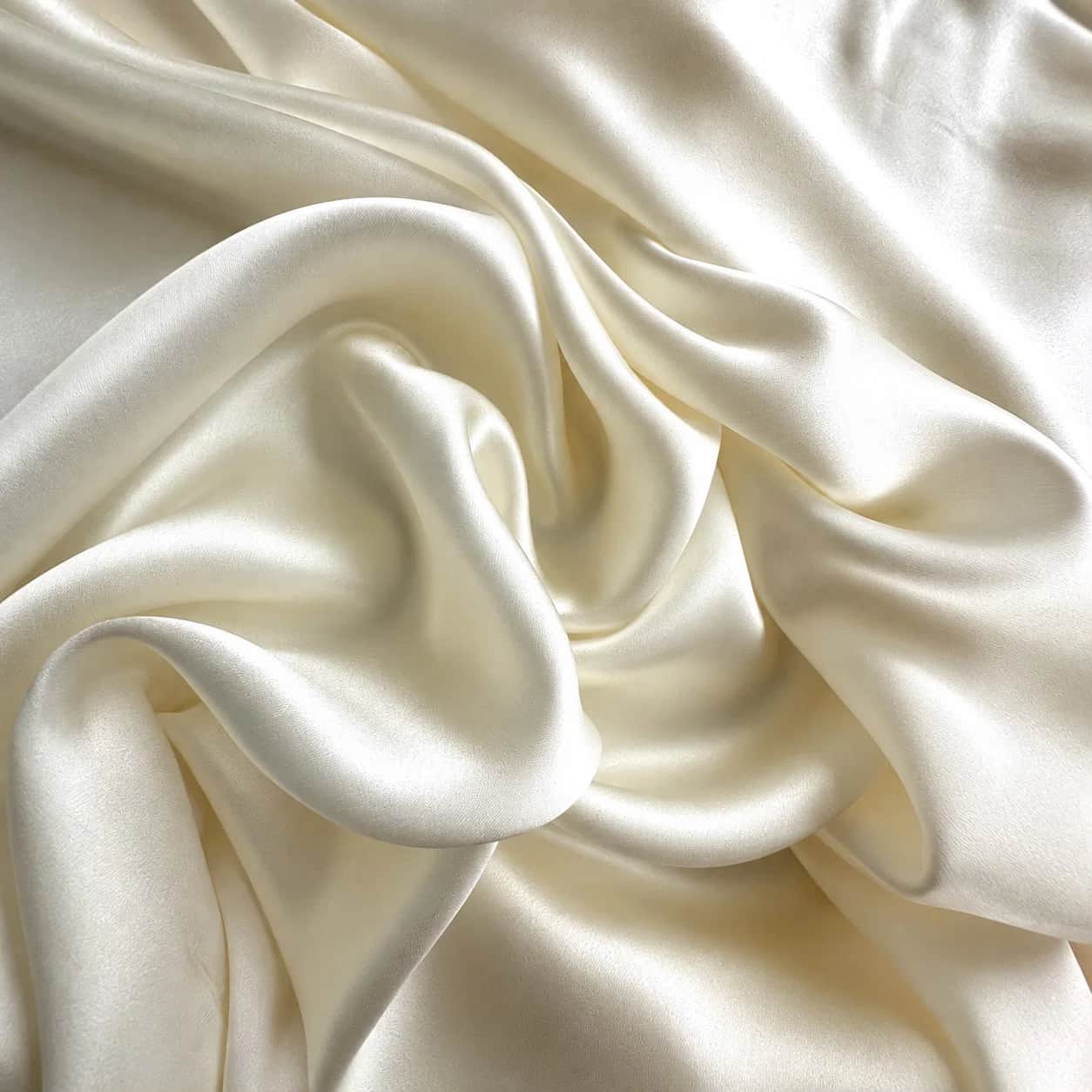
Beige Linen Utility Jacket, close-upClose-upFabric and finish
Replaced if faultyMade to order, so no change-of-mind returns. Anything that arrives damaged or defective, we make right.
Try one firstOne unit in Premium, made like the run, through the same checkout.

A straight-bodied jacket with a regular length and a straight hem, cinched at the waist by an internal drawstring that creates soft horizontal folds across the front. The point collar sits on a stand, while set-in two-piece sleeves end in barrel cuffs with single-button plackets. Five faux-horn buttons run down the center front, and four flap patch pockets are placed at the chest and hips.

Specs

GradePremium, 100% Linen
Main Fabric100% Linen, 180gsm
pocket lining and internal binding100% Cotton
FitRegular
SilhouetteUtility jacket with cinched waist
LengthRegular
NecklinePoint collar with collar stand
SleeveSet-in two-piece sleeve with articulated elbow seam
HemStraight
Closure5 center front 4-hole faux-horn buttons, 20mm
CareMachine wash at 30°C on a gentle cycle, Wash separately for the first few washes — the finish may transfer, Do not bleach
Minimum order50 units

Size guide

cmXXSXSSMLXLXXL
Bust46485052545658
Waist44464850525456
Length66687072747678

The garment measured flat: compare it with one you own.

Encyclopedia

In 1860, a tailor on Savile Row made a jacket for the Prince of Wales.

No tails. No decoration. Just a clean, structured jacket with a notch lapel and two buttons. Everyone said it was too plain. He wore it anyway. That jacket became the blazer. One hundred and sixty years later, every power suit, every fashion-week moment, every oversized street-style co-ord traces its DNA to that plain jacket. The only thing that separates a $50 version from a $5,000 version is what is inside.

Read the story

Fabrics

Encyclopedia

The story of the Beige Linen Utility Jacket

In 1860, a tailor on Savile Row made a jacket for the Prince of Wales. No tails. No decoration. Just a clean, structured jacket with a notch lapel and two buttons. Everyone said it was too plain. He wore it anyway. That jacket became the blazer. One hundred and sixty years later, every power suit, every fashion-week moment, every oversized street-style co-ord traces its DNA to that plain jacket. The only thing that separates a $50 version from a $5,000 version is what is inside.

1970sConstruction shiftFusible interlining enabled mass production of blazers
$300–600Premium standardTypical retail range for half-canvas blazers
Internal constructionQuality differentiatorCanvas vs fused structure defines durability, fit, and price

The Blazer -- "The Only Thing Separating a $50 Version from a $5,000 Version is What is Inside"

The blazer traces its commercial origin to mid-19th century Savile Row, where London tailors developed the lounge suit jacket as an alternative to the formal frock coat. A single-breasted, unstructured-shoulder jacket without tails, worn initially for leisure, it evolved into the standard jacket for both business and casual dress across the 20th century. The construction architecture -- canvas, interlining, lining, pad-stitched lapel -- did not change significantly until the 1970s, when fusible interlining became commercially available at scale.

Fusible interlining transformed the blazer market. A bonded adhesive interlining pressed onto the face fabric provides structure without the skill or time of canvas construction. It allowed factories without specialist tailoring training to produce blazers quickly and cheaply. The quality compromise was real: a fused blazer loses its structure as the adhesive weakens with wear and washing. But the commercial accessibility of fused construction made the blazer a mass-market garment rather than a luxury item.

Half-canvas construction became the premium commercial standard: a natural-fibre canvas chest piece sewn into the jacket front, providing most of the drape and lasting structure of full canvas at significantly lower CMT. Most contemporary premium blazers at the $300-600 retail tier are half-canvas. Full-canvas construction -- the Savile Row and luxury Italian tailoring standard -- requires a skilled tailor to pad-stitch the lapel by hand and build the garment from the inside out. The result moulds to the wearer over time and can be altered and relined indefinitely.

For independent creators, the oversized blazer sits at the intersection of fashion and tailoring without requiring full canvas complexity. Unlined or half-lined with minimal interlining, it is accessible at premium tier without specialist tailoring factory requirements. The co-ord blazer -- matching blazer and trouser or short from the same fabric lot -- is one of the strongest commercial structures in the DTC market.

Questions

A blazer costs between $54 and $450+ landed. Affordable China fused poly/viscose: ~$54. Premium Turkey half-canvas wool/poly: ~$122. Premium Portugal GOTS linen unlined: ~$84. Luxury Italy full-canvas Super 100s: $350-450+. Construction method is the primary cost driver.

100 × Premium · Beige

$4,705

SHOPPING BAG

(0 items)