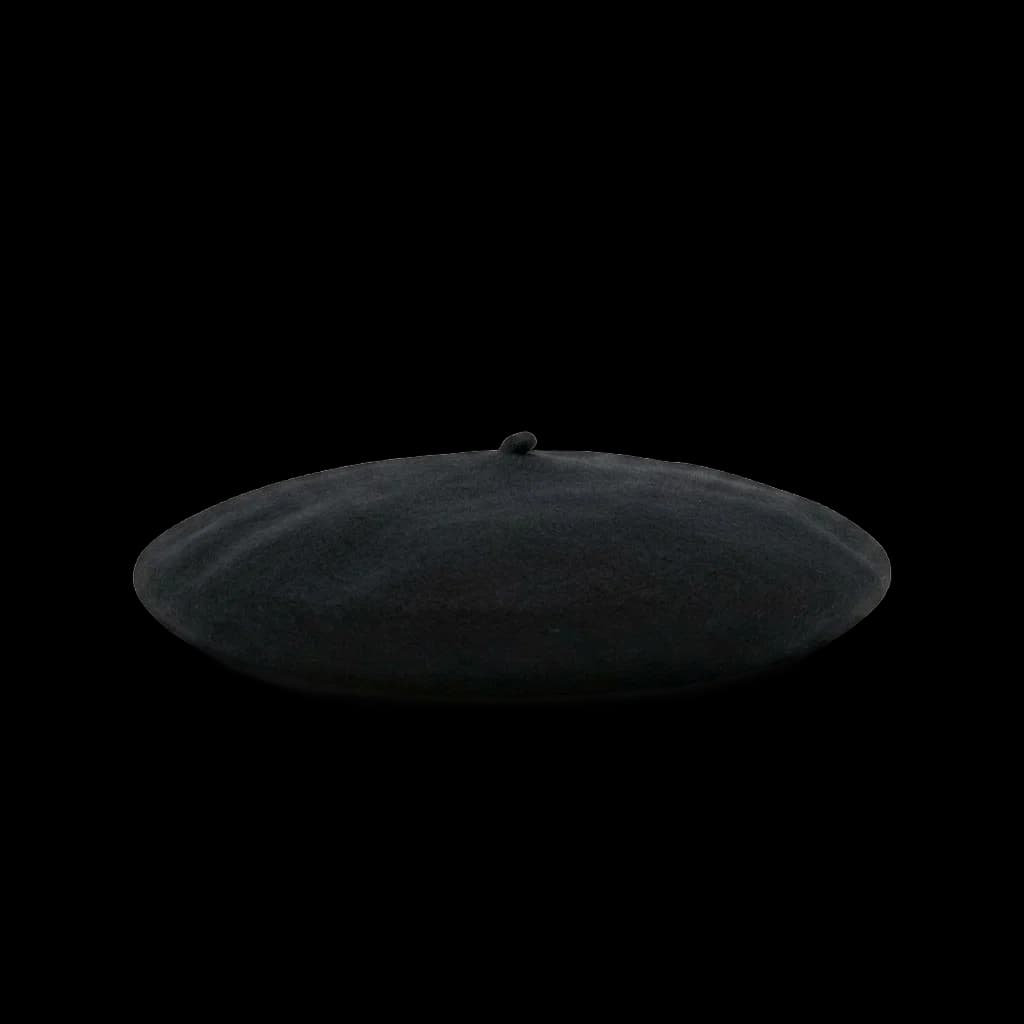
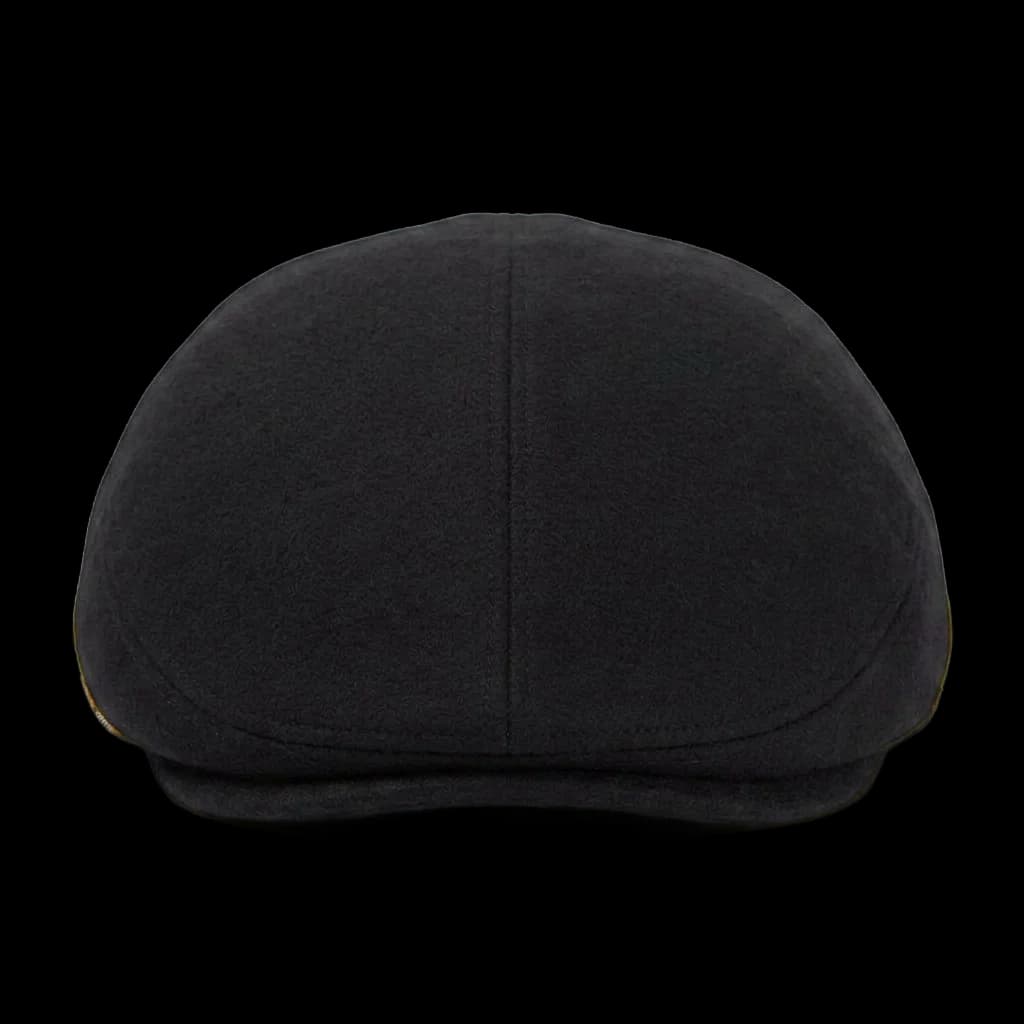
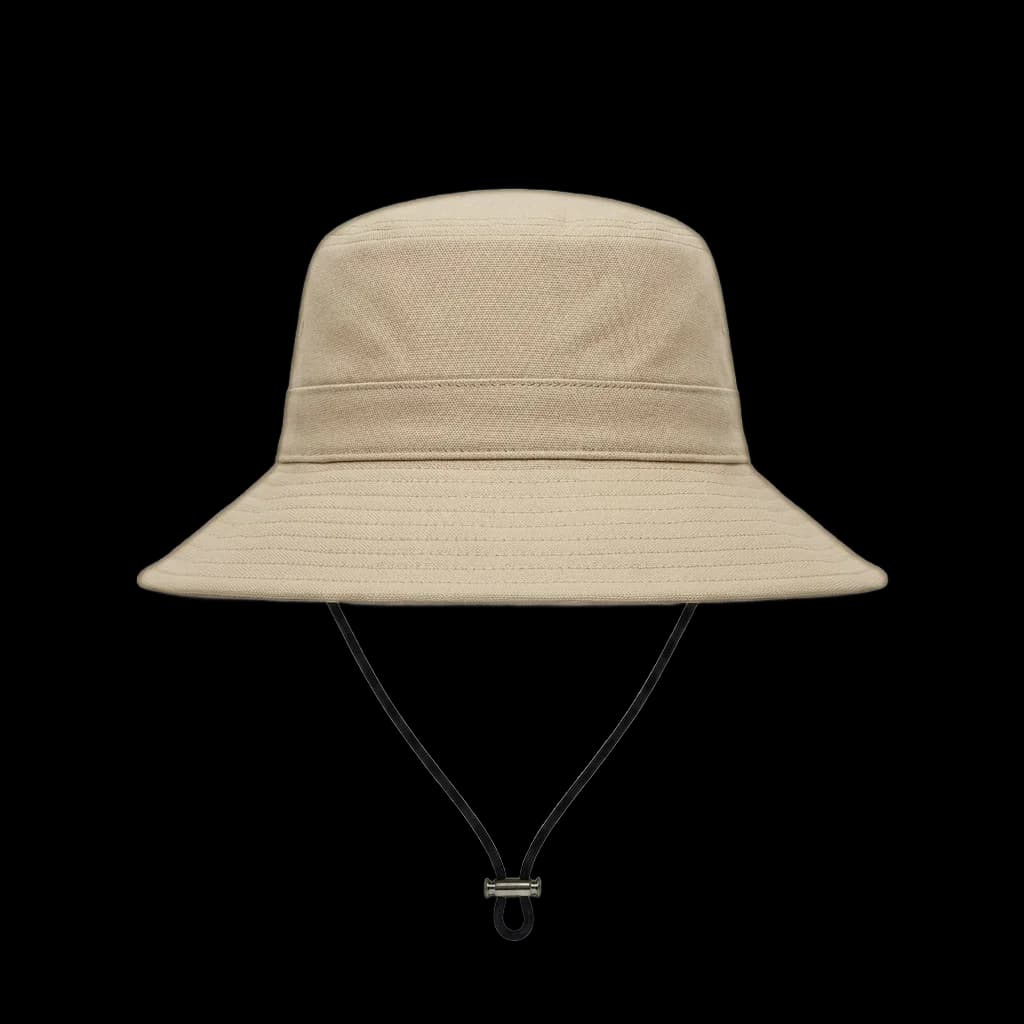
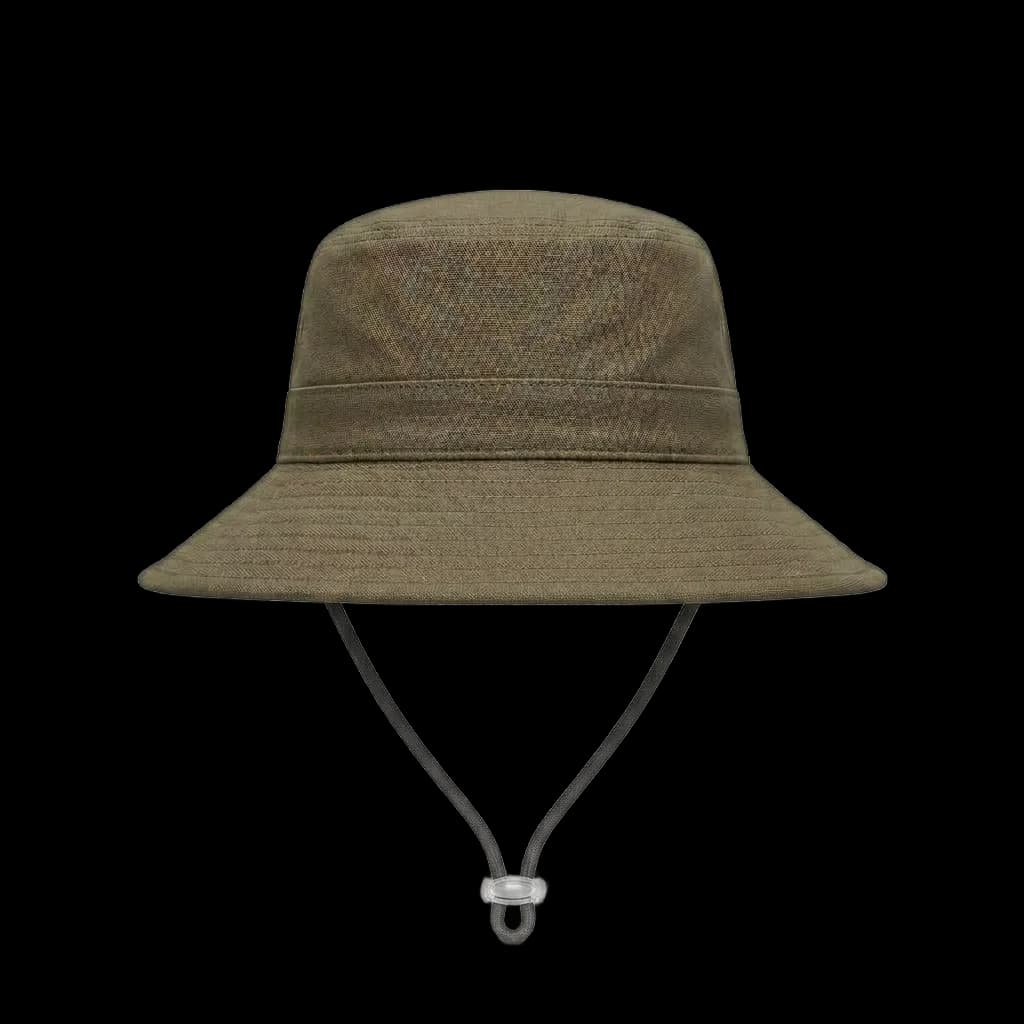
Wool felt hat

Headgear · regular fit · Premium Wool Felt
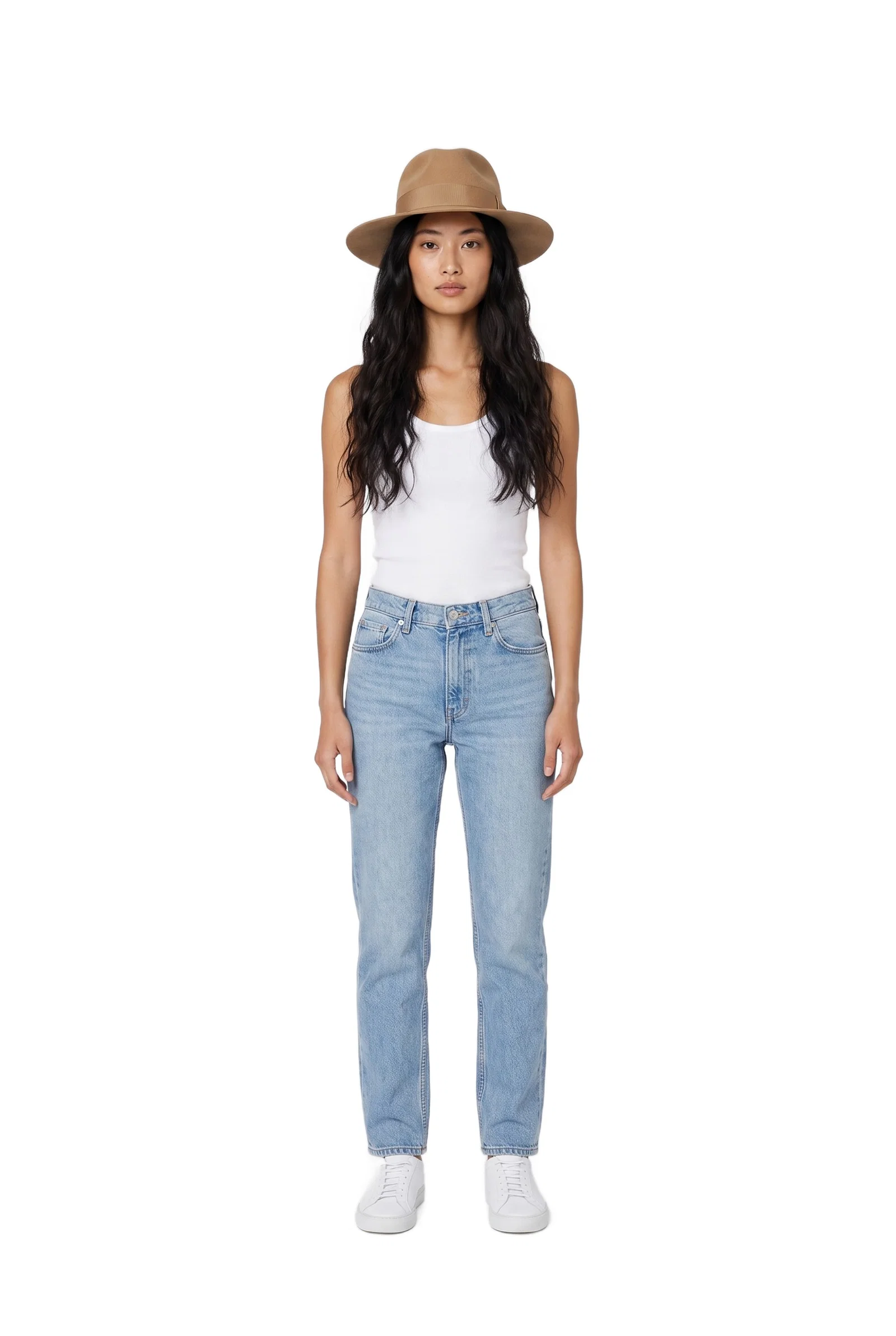
Wool felt hat, modelModel
GradePer unit at 100
ColourCamel
QuantityUnder 50, a $260 development fee applies

Add 200 more to pay $56.82 / unit.

Customise

Gabi designs your changes in the Studio, then you order the finished piece. ORDER below makes it as shown.

Delivery
Lead time confirmed with your orderShipping is priced at checkout from your address.
Premium · Camel × 100$65.34 / unit
ShippingAt checkout
Total, before shipping$6,534
Get a team quote

What's included at $65.34

  • Wool felt hat, Premium grade (Premium Wool Felt)
  • Made to order in Camel
  • Your size run, as set above
  • Replaced if anything arrives faulty

Shipping is priced at checkout from your address.

Make it yours

Your logo on the chest, a woven label, a back print, a colour from your brand book: Gabi designs the changes with you in the Studio and prices the finished piece before you order it. Your logo file goes on as you supply it.
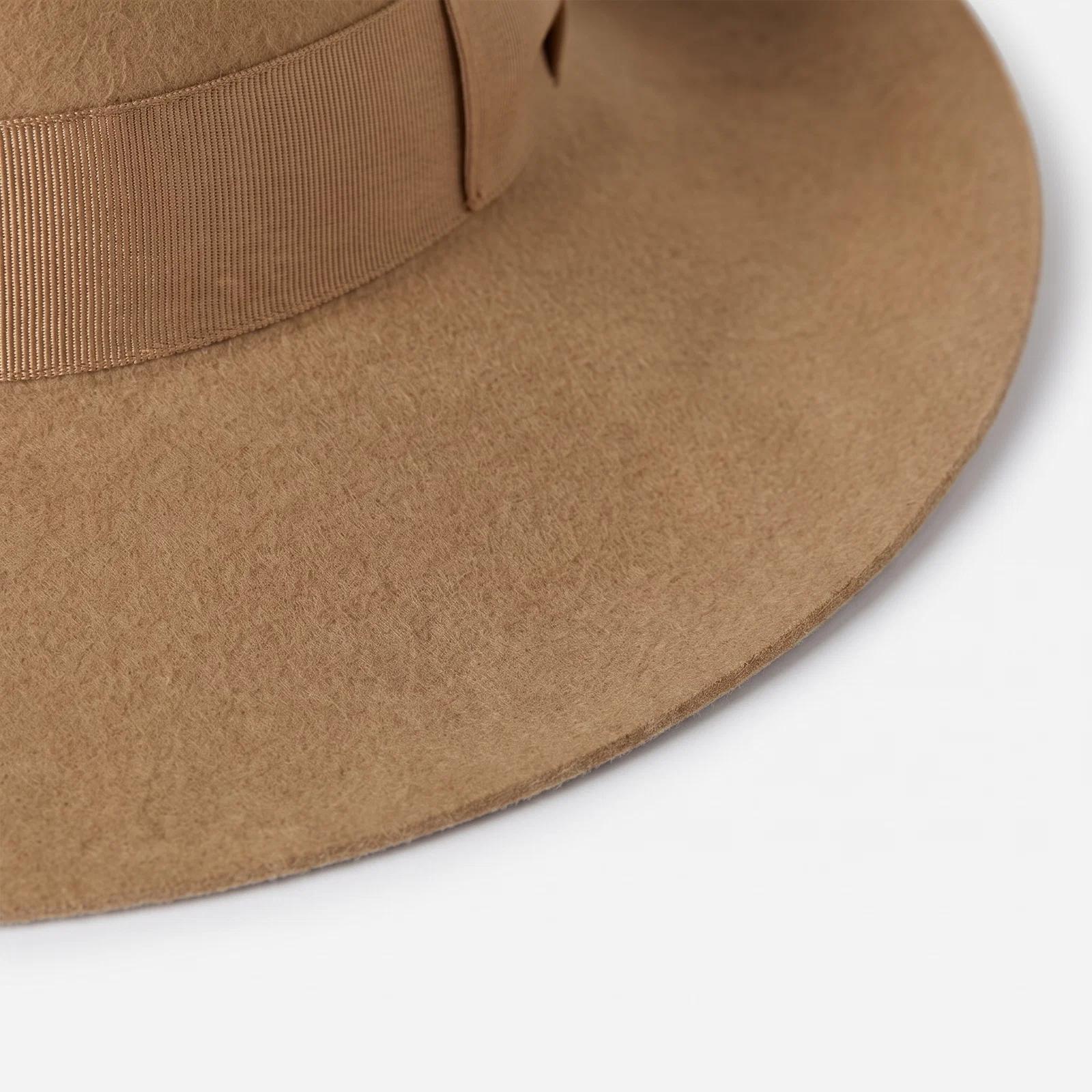
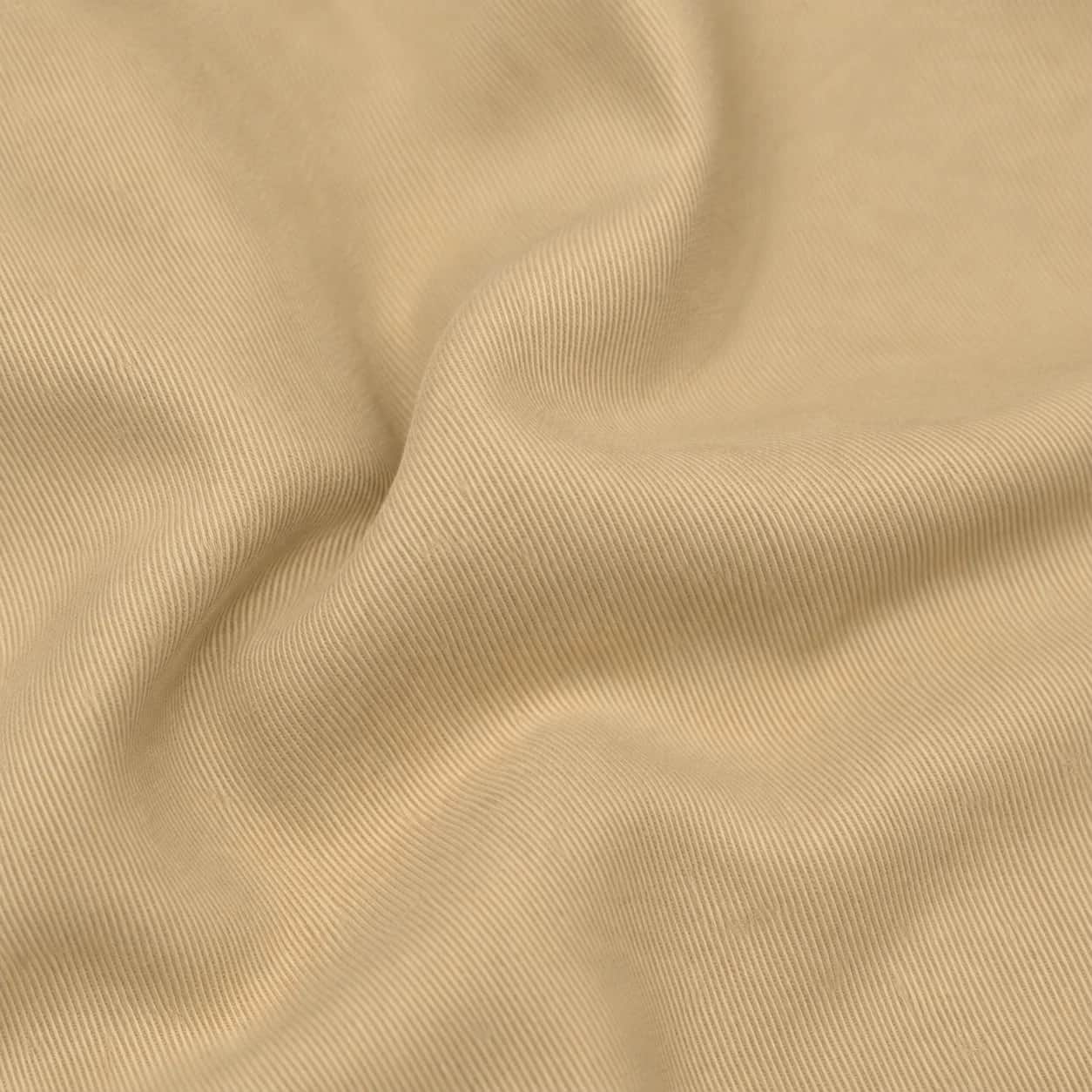
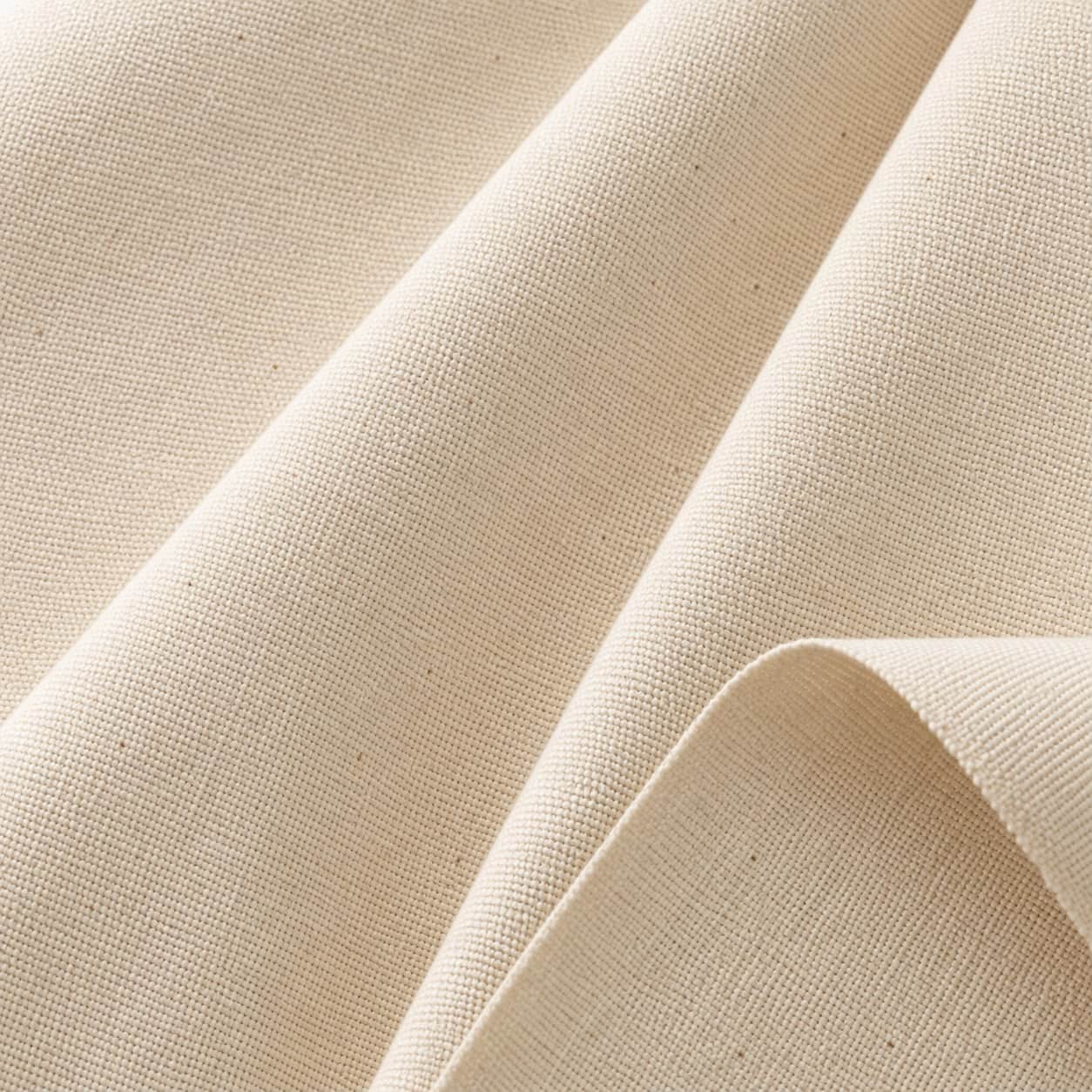
Wool felt hat, close-upClose-upFabric and finish
Replaced if faultyMade to order, so no change-of-mind returns. Anything that arrives damaged or defective, we make right.
Try one firstOne unit in Premium, made like the run, through the same checkout.

A molded single-piece felt body forms a pinched teardrop crown that rises above a wide brim, which curves gently upward at the outer edge. A tonal grosgrain ribbon encircles the base of the crown and ties into a side bow, while the brim's bound edge traces a broad, flat oval around the head.

Specs

GradePremium, Premium Wool Felt
Main Fabric100% Wool, 500gsm
Hatband and Binding100% Recycled Polyester
FitRegular
SilhouetteFedora hat
HemWide brim, slightly upturned
CareSpot clean with a damp cloth — do not machine wash, Do not bleach, Do not tumble dry
Minimum order50 units
Encyclopedia

The Panama hat is not from Panama.

It has never been made in Panama. It is made in Montecristi, Ecuador -- a single village of around 300 weavers who produce the finest toquilla palm hats in the world. The best Montecristi hats take three months to weave. They can be rolled into a cylinder and pass through a ring. They have been made the same way since the 1600s. Theodore Roosevelt wore one when he visited the Panama Canal construction in 1906. Photographs circulated globally. The world called it a Panama hat. The Ecuadorian weavers are still making them. Still three months. Still by hand. The brand has been misattributed for 120 years. That is a manufacturing story. That is also a content story.

Read the story

Fabrics

Encyclopedia

The story of the Wool felt hat

The Panama hat is not from Panama. It has never been made in Panama. It is made in Montecristi, Ecuador -- a single village of around 300 weavers who produce the finest toquilla palm hats in the world. The best Montecristi hats take three months to weave. They can be rolled into a cylinder and pass through a ring. They have been made the same way since the 1600s. Theodore Roosevelt wore one when he visited the Panama Canal construction in 1906. Photographs circulated globally. The world called it a Panama hat. The Ecuadorian weavers are still making them. Still three months. Still by hand. The brand has been misattributed for 120 years. That is a manufacturing story. That is also a content story.

1906Origin mythRoosevelt's Panama Canal visit fixed the misattributed Panama hat name in global culture
3 monthsHandmade premiumThe finest Montecristi toquilla hats can take months to weave by hand
2 routesFactory splitSewn safari hats go to headwear factories; blocked straw hats require millinery specialists

The Wide-Brim Hat: Sun, Status, and the Two Factory Routes

The wide-brim hat is the primary sun-protection headwear category across all global markets -- and simultaneously one of fashion's most recurring luxury objects. Yves Saint Laurent's 1977 safari collection, Jacquemus's Le Chapeau Bambino, and the classic Panama hat all operate from the same construction principle: a wide, firm brim that casts shadow and communicates abundance of leisure.

The safari hat deserves specific treatment. Originating in British colonial military and hunting expeditions of the late 19th and early 20th centuries, the safari hat became a global workwear and outdoor category. The modern cotton canvas safari hat -- khaki or olive twill, structured brim (70-90mm), ventilation eyelets, adjustable chin strap -- is made at a headwear factory, not a millinery. It is the most accessible wide-brim construction for an independent creator: simple panels, no blocking required, strong outdoor and adventure positioning, and high social media visibility.

The straw hat category is distinct. Natural straw -- toyo, papyrus, toquilla palm, wheat straw, raffia -- is woven into a flat braid that is then blocked or sewn into a hat shape. This requires a straw hat specialist. Production is concentrated in China for accessible commercial straw, Ecuador for genuine Panama provenance, Italy for premium straw, and Mexico and Morocco for raffia and palm. If a creator wants a genuine Panama story, Ecuador is the only correct answer.

The packable wide-brim hat -- UPF-rated nylon or cotton, crushable brim with wire or flexible stiffener, stuff-sack packaging -- is one of the fastest-growing DTC headwear categories, driven by travel and sun-awareness trends. Brands like Lack of Color, Brixton, and Janessa Leone have built significant businesses on the wide-brim category specifically.

Questions

Sewn: panels of fabric cut and stitched together, brim interlining inserted by sewing machine. Made at a cap factory. Cotton, linen, nylon. Blocked: the hat is formed by stretching material (straw braid, felt, fabric) over a wooden or metal hat block using steam and pressure. Made at a millinery or straw specialist factory. These require completely different equipment and different factory briefs.

100 × Premium · Camel

$6,534

SHOPPING BAG

(0 items)