Hot Chocolate Tin

Food & Beverage Gifts · Premium Hot Chocolate Tin
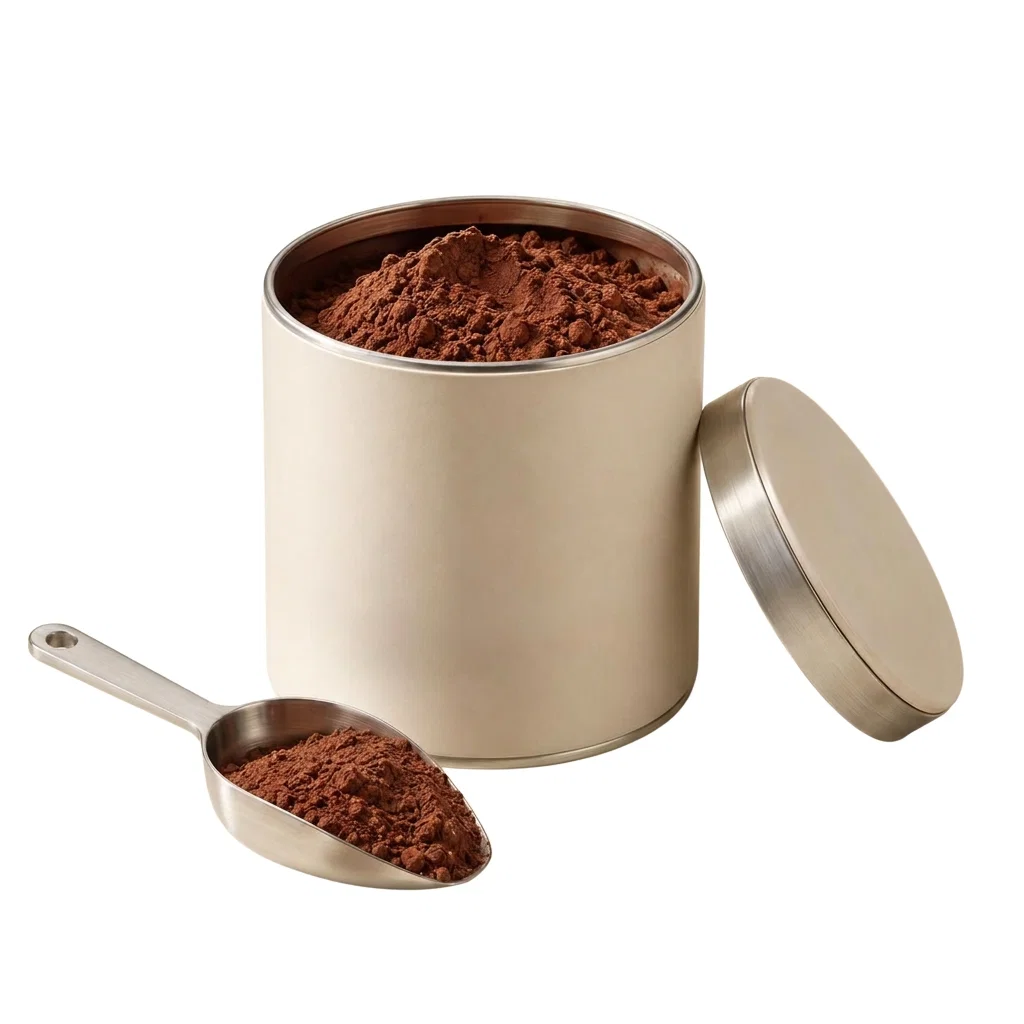
Hot Chocolate Tin, flat front
Flat front
GradePer unit at 100
QuantityUnder 50, a $50 development fee applies

Add 200 more to pay $11.50 / unit.

Customise

Gabi designs your changes in the Studio, then you order the finished piece. ORDER below makes it as shown.

Delivery
Lead time confirmed with your orderShipping is priced at checkout from your address.
Premium × 100$13.22 / unit
ShippingAt checkout
Total, before shipping$1,322
Get a team quote

What's included at $13.22

  • Hot Chocolate Tin, Premium grade (Premium Hot Chocolate Tin)
  • Made to order
  • Your size run, as set above
  • Replaced if anything arrives faulty

Shipping is priced at checkout from your address.

Make it yours

Your logo on the chest, a woven label, a back print, a colour from your brand book: Gabi designs the changes with you in the Studio and prices the finished piece before you order it. Your logo file goes on as you supply it.

Replaced if faultyMade to order, so no change-of-mind returns. Anything that arrives damaged or defective, we make right.
Try one firstOne unit in Premium, made like the run, through the same checkout.

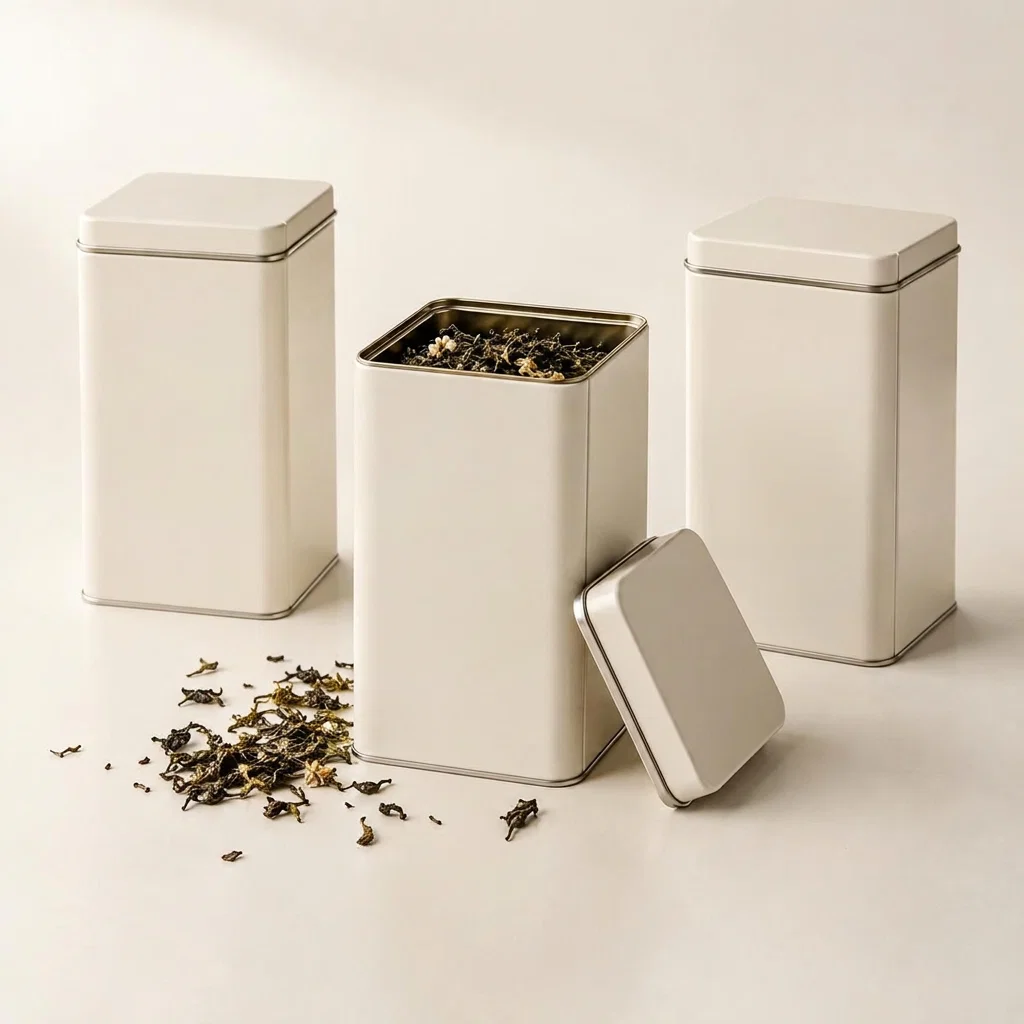
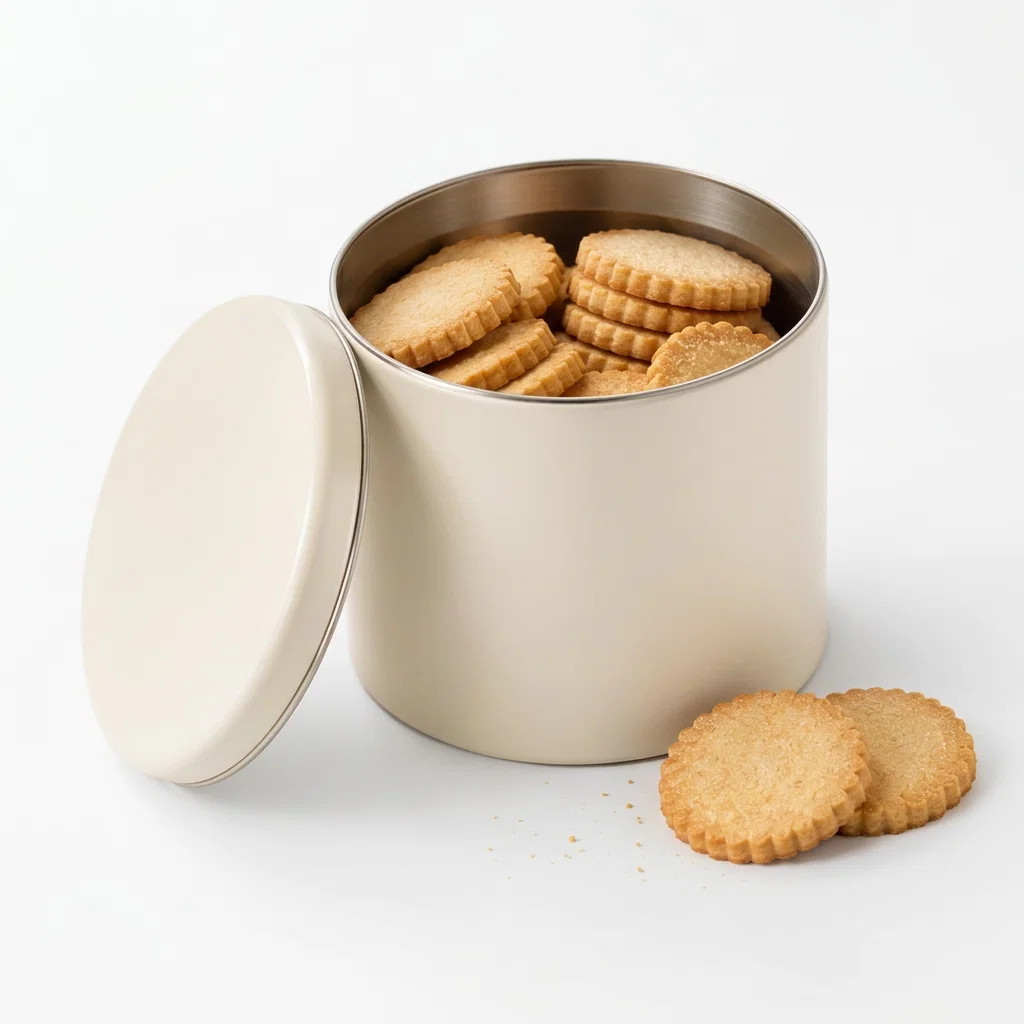
A tall, straight-sided cylinder with a single continuous wall and a flat base, topped by a rolled rim. The brushed metal lid sits flush as a flat disc, while the body is noticeably taller than it is wide. A separate scoop rests alongside, its shallow bowl and straight handle extending outward from the tin.

Specs

GradePremium, Premium Hot Chocolate Tin
Main Fabric100% Aluminum, 1500gsm
contents100% Cocoa Powder
SilhouetteCylindrical
NecklineRolled rim
HemFlat base
ClosureBrushed metal friction-fit lid
Minimum order50 units
Encyclopedia

In 1912, Brussels chocolatier Jean Neuhaus II filled a hollow chocolate shell with a soft center and called it a praline, inventing the format that still defines what "Belgian chocolate" means globally.

English biscuit maker Huntley & Palmers took a parallel path with packaging rather than the product itself, using new color lithography techniques starting in 1868 to print elaborate decorative tins that customers kept and reused long after the biscuits were gone. Both are the same underlying strategy: making the format or the container as memorable as what's inside.

Read the story
Encyclopedia

The story of the Hot Chocolate Tin

In 1912, Brussels chocolatier Jean Neuhaus II filled a hollow chocolate shell with a soft center and called it a praline, inventing the format that still defines what "Belgian chocolate" means globally. English biscuit maker Huntley & Palmers took a parallel path with packaging rather than the product itself, using new color lithography techniques starting in 1868 to print elaborate decorative tins that customers kept and reused long after the biscuits were gone. Both are the same underlying strategy: making the format or the container as memorable as what's inside.

1912Belgian praline inventedJean Neuhaus II filled a chocolate shell with a soft center in Brussels, defining the modern praline format
1868Decorative biscuit tin originHuntley & Palmers used new color lithography to print elaborate tins customers kept long after the biscuits were gone
Room-temperature, weeks to monthsShelf-stability driverThe reason confectionery, preserves, and dried goods dominate corporate gifting over fresh food

Inventing the Format, Then the Container

Neuhaus's 1912 praline and Huntley & Palmers's 1868 decorative tins represent two different ways of making a gift memorable, through the product itself or through its packaging.

Shelf stability at room temperature over weeks to months is why chocolate, biscuits, dried fruit, preserves, and nuts dominate corporate and hospitality gifting — unlike fresh food, they ship and sit on a shelf without refrigeration.

A printed tin adds reusable, keepsake value over a simple printed box at higher tooling and material cost; a glass jar for preserves or honey needs a food-safe seal and is chosen specifically to let the product itself be visible.

A curated multi-variety format, like a honey tasting set or praline selection, requires compartmentalized packaging with dividers or individually wrapped units to keep flavors separate and presentable, adding assembly complexity over a single-product tin or box.

Questions

A branded chocolate bar (China or local production, 500-unit run) lands around $1.50–3; a biscuit tin runs $4–8; a multi-variety praline or honey tasting set runs $8–18, driven by the compartmentalized packaging and multiple product components.

100 × Premium

$1,322

SHOPPING BAG

(0 items)