Cooling Towel

Fitness & Wellness · Premium execution (single tier)
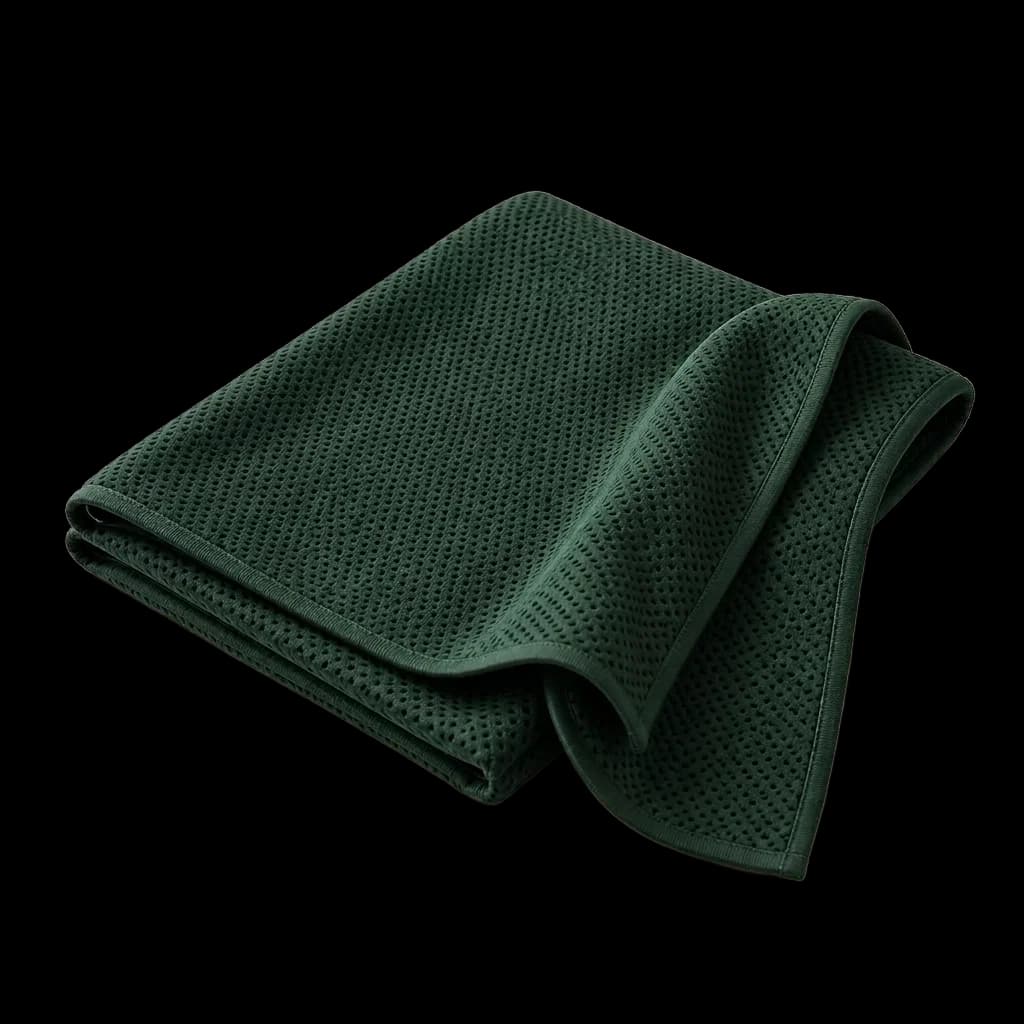
Cooling Towel, flat front
Flat front
GradePer unit at 100
ColourForest Green
QuantityUnder 50, a $20 development fee applies

Add 200 more to pay $3.25 / unit.

Customise

Gabi designs your changes in the Studio, then you order the finished piece. ORDER below makes it as shown.

Delivery
Lead time confirmed with your orderShipping is priced at checkout from your address.
Premium · Forest Green × 100$3.74 / unit
ShippingAt checkout
Total, before shipping$374
Get a team quote

What's included at $3.74

  • Cooling Towel, Premium grade (Premium execution (single tier))
  • Made to order in Forest Green
  • Your size run, as set above
  • Replaced if anything arrives faulty

Shipping is priced at checkout from your address.

Make it yours

Your logo on the chest, a woven label, a back print, a colour from your brand book: Gabi designs the changes with you in the Studio and prices the finished piece before you order it. Your logo file goes on as you supply it.

Replaced if faultyMade to order, so no change-of-mind returns. Anything that arrives damaged or defective, we make right.
Try one firstOne unit in Premium, made like the run, through the same checkout.

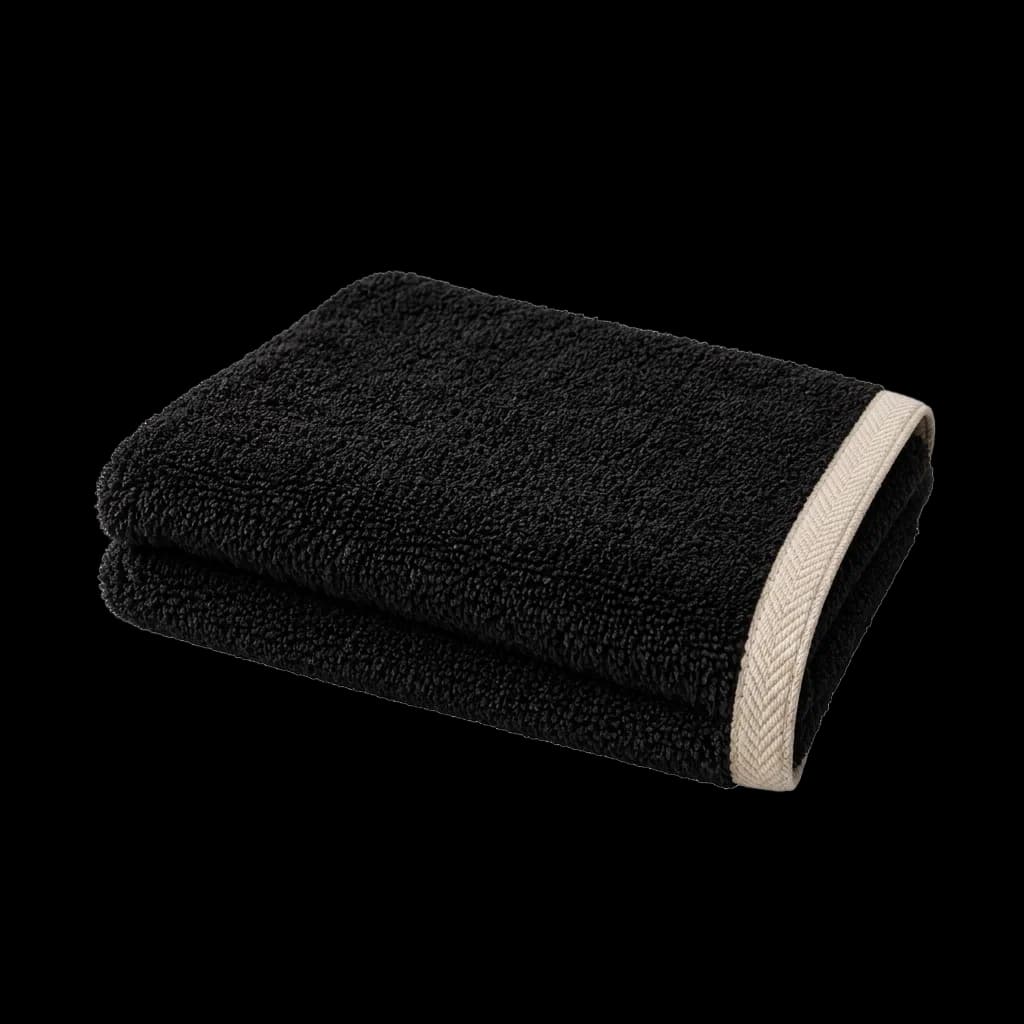
A single flat panel forms an elongated rectangle that folds into a compact stack, with a width slightly greater than its height when folded. The edges are finished straight and bound, terminating in gently rounded corners without any closure or strap. It lies flat against surfaces, showing a dark green color across the textured face.

Specs

GradePremium, Premium execution (single tier)
Main Fabric100% Recycled Polyester, 160gsm
Edge Binding100% Recycled Polyester
SilhouetteRectangular towel
HemStraight with rounded corners
Minimum order50 units
Encyclopedia

In the early 1980s, yoga teacher Angela Farmer grew frustrated with padding that slid across studio floors mid-pose.

She cut a section from a rubber carpet underlay, gaffer-taped the edges, and discovered it gripped skin and floor alike. That improvised rubber mat became the template for a category that didn't formally exist yet — the yoga mat — and eventually the sticky-PVC standard that dominates studios today. The instinct behind it, adapting an industrial material for a smaller, more precise personal use, still shapes how the wider wellness-equipment category gets made.

Read the story
Encyclopedia

The story of the Cooling Towel

In the early 1980s, yoga teacher Angela Farmer grew frustrated with padding that slid across studio floors mid-pose. She cut a section from a rubber carpet underlay, gaffer-taped the edges, and discovered it gripped skin and floor alike. That improvised rubber mat became the template for a category that didn't formally exist yet — the yoga mat — and eventually the sticky-PVC standard that dominates studios today. The instinct behind it, adapting an industrial material for a smaller, more precise personal use, still shapes how the wider wellness-equipment category gets made.

1960sMagic Circle originJoseph Pilates fashioned the first Pilates Ring from a padded beer-keg rim
3–6mmStandard mat thicknessRange balancing cushioning against pose stability in yoga/exercise mats
EPP foamFoam roller materialExpanded polypropylene standard for density retention under repeated compression

From Carpet Underlay to Studio Standard

PVC foam became the default mat material through the 1990s and 2000s for its low cost, durability, and consistent grip, though it does not biodegrade and can carry a chemical odor fresh out of the mold. TPE (thermoplastic elastomer) emerged as a lighter, recyclable, odor-free alternative aimed at eco-conscious buyers, trading some durability for it. Natural rubber sits at the premium end — the best grip of the three, but heavier, pricier, and a latex-allergy risk that PVC and TPE avoid.

Resistance bands split along a similar line: natural latex is the cheapest and most elastic, but latex-sensitive users have pushed a meaningful share of the market toward TPE or fabric-sleeved bands, especially for corporate and hospitality gifting where the end user is unknown.

The Pilates ring has an unusually specific origin — Joseph Pilates built the first one in his New York studio in the 1960s from the padded steel rim of a beer keg, intended as resistance for rehabilitating dancers' injuries. The spring-steel or fiberglass core in today's rings is a direct descendant of that improvisation.

Foam rolling moved from physical-therapy clinics in the 1980s into mainstream gyms through the CrossFit-driven fitness boom of the 2000s, standardizing on EPP (expanded polypropylene) foam for its ability to hold density under thousands of compression cycles without collapsing.

Questions

A standard 4–5mm PVC foam mat (China, 300–500 unit run) lands around $6–10; natural rubber or TPE mats targeting eco-conscious buyers run $12–20, driven by higher material cost and slower curing times for rubber compounds.

100 × Premium · Forest Green

$374

SHOPPING BAG

(0 items)